Acting credits
77
Prolific
Very extensive acting filmography.
Acting
These indicators come from TMDB. They are relative signals, not review ratings.
Acting credits
77
Prolific
Very extensive acting filmography.
TMDB popularity
0.7
Low visibility
TMDB internal trend index. Higher usually means more searches and page activity now.
TMDB ID: 4421
IMDb ID: nm0536167
Known for: Acting
Born: March 7, 1908
Died: September 26, 1973
Age: 65
Place of birth: Rome, Italy
Gender: Female
Adult content flag: No
Career span: 1928 - 2021
Years active: 94
Average TMDB rating: 7.05
Wikidata: Q56011
Also known as
안나 마냐니
Other jobs
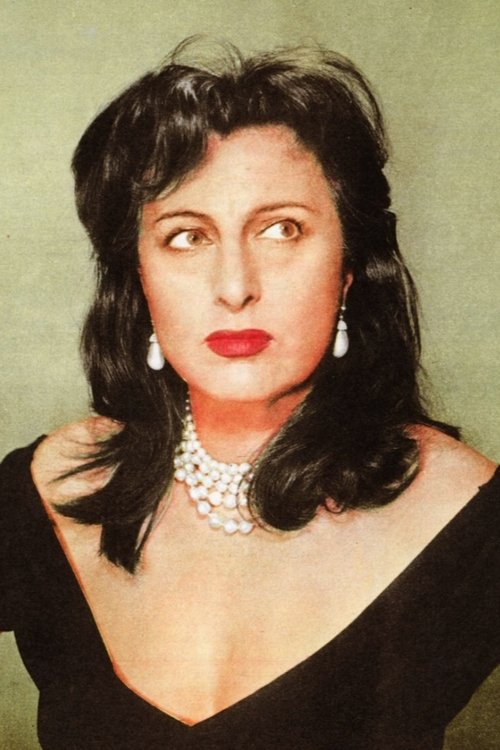
Anna Magnani (pronounced: mahn-YANEE; 7 March 1908 – 26 September 1973) was an Italian stage and film actress. She won the Academy Award for Best Actress, along with four other international awards, for her portrayal of a Sicilian widow in The Rose Tattoo. Born in Rome to an Egyptian father and an Italian mother, she worked her way through Rome's Academy of Dramatic Art by singing at night clubs. During her career, her only child was stricken by polio when he was 18 months old and remained crippled. She was referred to as "La Lupa," the "perennial toast of Rome" and a "living she-wolf symbol" of the cinema. Time magazine described her personality as "fiery", and drama critic Harold Clurman said her acting was "volcanic". In the realm of Italian cinema, she was "passionate, fearless, and exciting," an actress that film historian Barry Monush calls "the volcanic earth mother of all Italian cinema." Director Roberto Rossellini called her "the greatest acting genius since Eleonora Duse. Playwright Tennessee Williams became an admirer of her acting and wrote The Rose Tattoo specifically for her to star in, a role for which she received her first Oscar in 1955. After meeting director Goffredo Alessandrini she received her first screen role in La cieca di Sorrento (The Blind Woman of Sorrento) (1934) and later achieved international fame in Rossellini's Rome, Open City (1945), considered the first significant movie to launch the Italian neorealism movement in cinema. As an actress she became recognized for her dynamic and forceful portrayals of "earthy lower-class women" in such films as The Miracle (1948), Bellissima (1951), The Rose Tattoo (1955), The Fugitive Kind (1960), with Marlon Brando and directed by Sidney Lumet, and Mamma Roma (1962). As early as 1950, Life magazine had already stated that Magnani was "one of the most impressive actresses since Garbo".
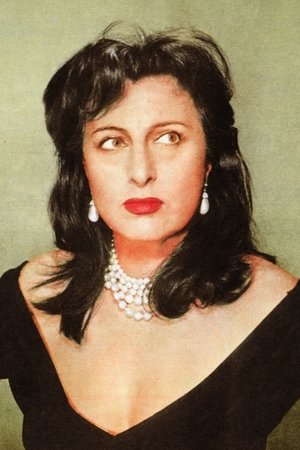

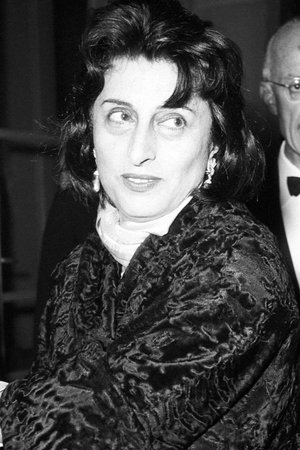

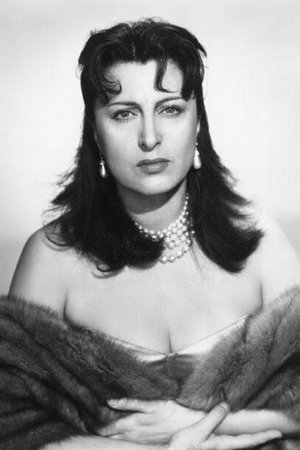
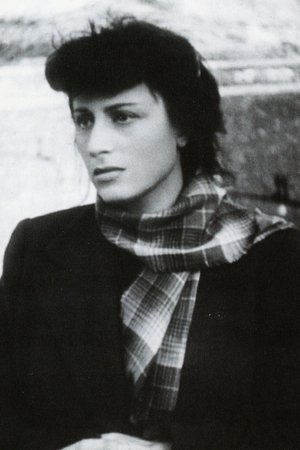
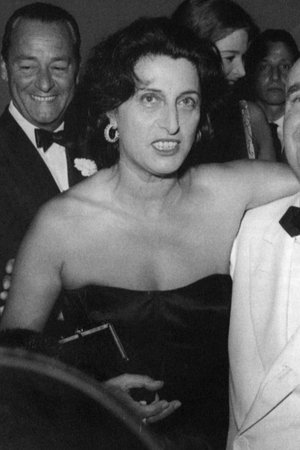

Movie credits linked with Anna Magnani.

as Self (archive footage)

as Self - Actress (archive footage)
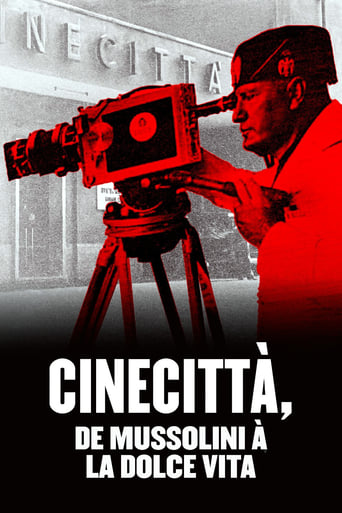
as Self (archive footage)
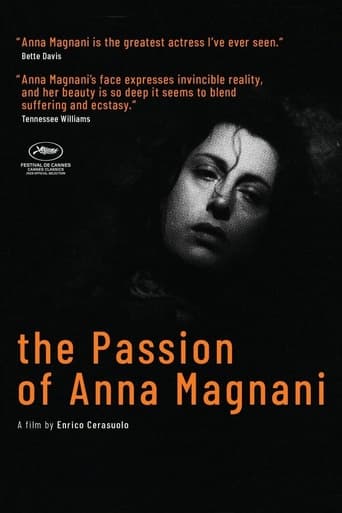
as Self (archive footage)

as Camilla (archive footage)

as Self (archive footage)
as Maddalena Cecconi (archive footage) (uncredited)
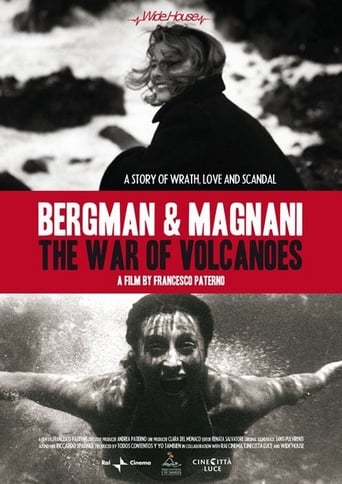
as Self (archive footage)

as Self (archive footage)
as (archive footage)
as (archive footage)

as Pina (archive footage) (uncredited)
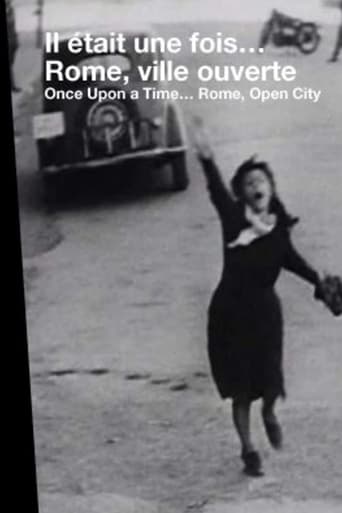
as Self (archive footage)
as (archive footage)

as Gioia (archive footage)
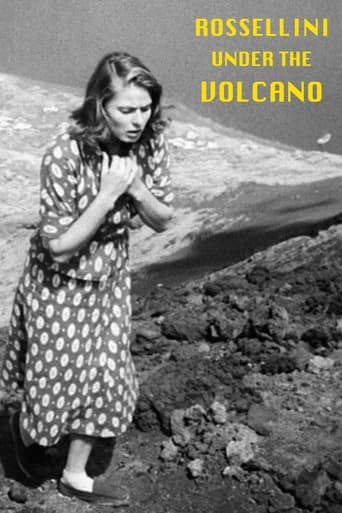
as Maddalena Natoli (archive footage)

as Serafina Delle Rose / Lady Torrance (archive footage)
as Self (archive footage)

as Self

as Self (archive footage)
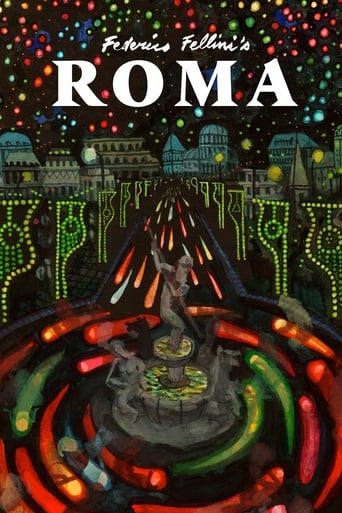
as Anna Magnani
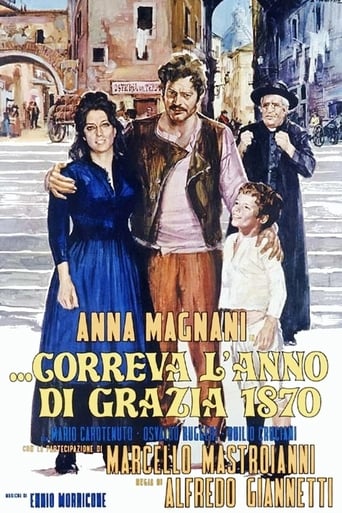
as Teresa Parenti
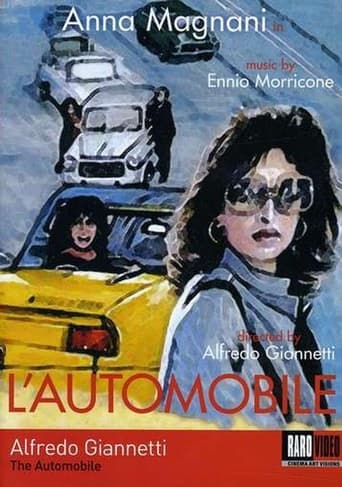
as Anna
Series credits linked with Anna Magnani.