Acting credits
40
Established
Large and steady acting portfolio.
Directing
These indicators come from TMDB. They are relative signals, not review ratings.
Acting credits
40
Established
Large and steady acting portfolio.
TMDB popularity
1.8
Low visibility
TMDB internal trend index. Higher usually means more searches and page activity now.
TMDB ID: 81749
IMDb ID: nm0210701
Known for: Directing
Born: December 11, 1908
Died: April 2, 2015
Age: 106
Place of birth: Porto, Portugal
Gender: Male
Adult content flag: No
Career span: 1928 - 2025
Years active: 98
Average TMDB rating: 6.83
Wikidata: Q43264
Also known as
Manoel Candido Pinto de Oliveira • Manuel de Oliveira • Мануэль де Оливейра • Мануэл Ди Оливейра
Other jobs
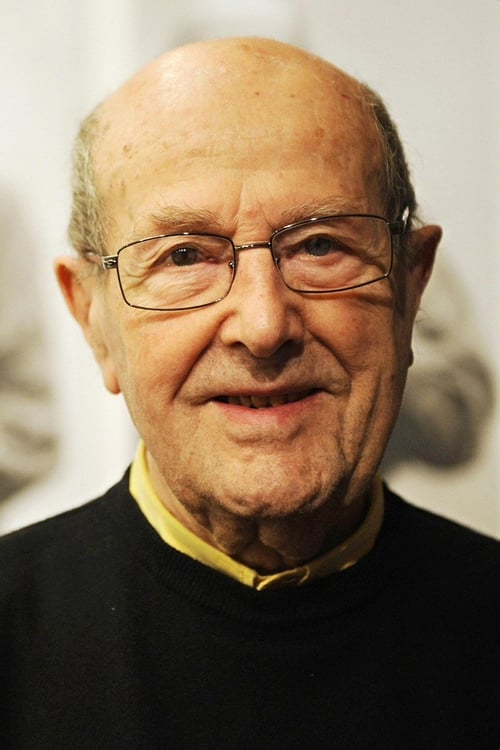
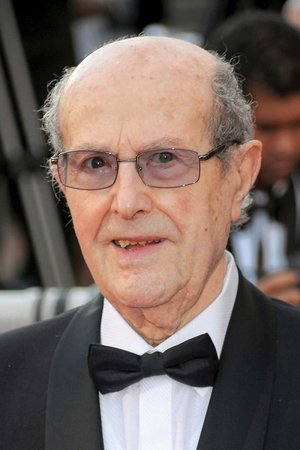
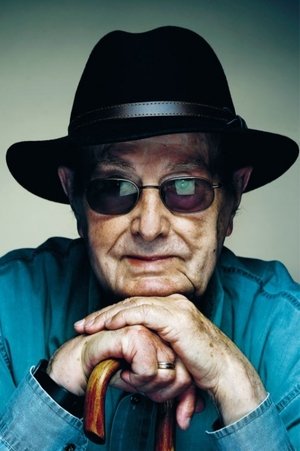
Manoel de Oliveira was born in Porto, Portugal on December 11, 1908, to Francisco José de Oliveira and Cândida Ferreira Pinto. His family were wealthy industrialists. Oliveira attended school in Galicia, Spain and his goal as a teenager was to become an actor. He enrolled in Italian film-maker Rino Lupo's acting school at age 20, but later changed his mind when he saw Walther Ruttmann's documentary Berlin: Symphony of a City. This prompted him to direct his first film, also a documentary, titledDouro, Faina Fluvial (1931). He also acted in the second Portuguese sound film, A Canção de Lisboa (1933). His first feature film came much later, in 1942. Aniki-Bóbó, a portrait of Oporto's street children, was a commercial failure when it opened, and its merit only came to be recognised over time. This drawback forced Oliveira to abandon other film projects he was involved in, and to dedicate himself to running his family vineyard. He re-emerged onto the film scene in 1956 with The Artist and the City, a work that marked a turning point in Oliveira's conception of the cinema. In 1963, O Acto de Primavera (The Rite of Spring), a documentary depicting an annual passion play, marked a turning point for his career. This was shortly followed by A caça (The Hunt), a grim feature film that contrasted with the happy tones of his previous documentary. Despite the widespread acclaim garnered by both films, he would not return to the director's seat until the 1970s. Since 1990 (when he turned 82), he has made at least one film each year. Oliveira has said that he direct movies for the sheer pleasure of doing it, regardless of critical reaction. He maintains a quiet life away from the spotlights, despite multiple honours such as those of the Cannes, Venice and Montreal film festivals. He has been awarded two Career Golden Lions in 1985 and 2004 and a golden palm for his lifetime achievements in 2008.

Movie credits linked with Manoel de Oliveira.
as Self (archive footage)
as Himself
Director of Photography
as Self
Screenplay
as Self

as Self
Director
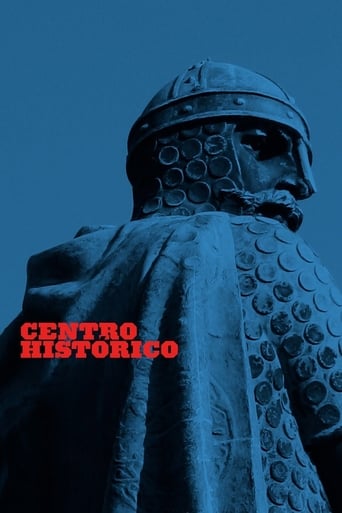
Director
Director
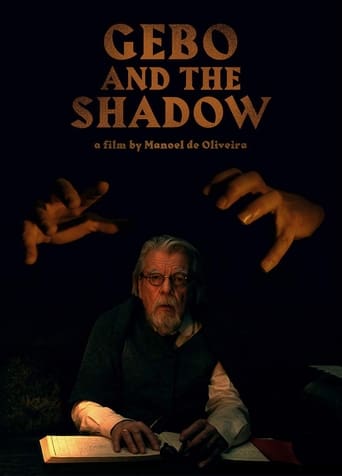
Screenplay
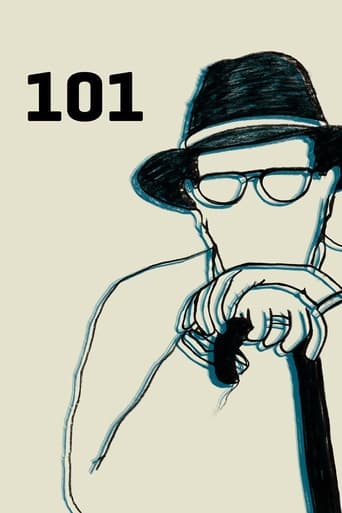
as Self
as Self

Writer
Director
as Self

Screenplay
Director
as Himself
Director
as Himself

as Manuel Luciano (2007)
Series credits linked with Manoel de Oliveira.