Acting credits
92
Prolific
Very extensive acting filmography.
Acting
These indicators come from TMDB. They are relative signals, not review ratings.
Acting credits
92
Prolific
Very extensive acting filmography.
TMDB popularity
1.0
Low visibility
TMDB internal trend index. Higher usually means more searches and page activity now.
TMDB ID: 97207
IMDb ID: nm0367928
Known for: Acting
Born: February 27, 1908
Died: April 6, 1984
Age: 76
Place of birth: Kyoto, Kyoto, Japan
Gender: Male
Adult content flag: No
Career span: 1928 - 1976
Years active: 49
Average TMDB rating: 7.11
Wikidata: Q2601738
Also known as
長谷川 一夫 • Кадзуо Хасэгава • Chôjirô Hayashi • Тёдзиро Хаяси • 林 長二郎
Other jobs
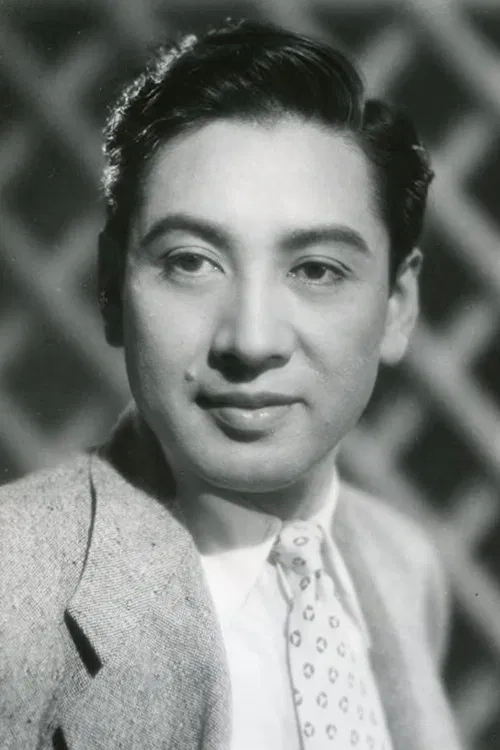
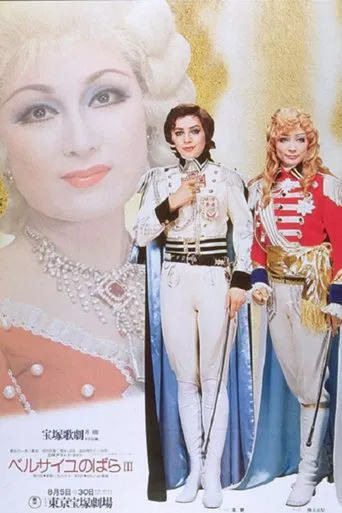
Kazuo Hasegawa was a Japanese film and stage actor. He appeared in over 300 films from 1927 to 1963. Born to a sake brewing family in Kyoto, he first appeared on stage at age five in a theater run by his family as a side business. In 1918, he became a student of Nakamura Ganjirō I and performed kabuki in the Kansai region. He joined the Shochiku studio in 1927 and made his film debut in Chigo no kenpō under the name Chōjirō Hayashi. His good looks and graceful fighting style made him a major jidaigeki star, and he appeared in more than 120 films for Shochiku in 11 years, with the best works being directed by Teinosuke Kinugasa. He moved to the Toho studio in 1937. On 11 November 1937, however, he was attacked by ruffians and his face slashed with razor blades. According to the historian Daisuke Miyao, "Even though there was no clear evidence, it was widely assumed that this violent incident was Shochiku's retaliatory measure against Hayashi's so-called betrayal." He recovered and changed his stage name to his real name, Kazuo Hasegawa. Hasegawa appeared in many successful films for Toho, including several "national-policy pictures with Chinese settings," such as Song of the White Orchid (1939) and China Night (1940), with co-star Ri Koran. He moved to Daiei Film in 1950 and continued appearing in the popular Zenigata Heiji series. He also appeared in many classic films including Kozaburo Yoshimura's The Tale of Genji (1951), Kinugasa's Gate of Hell (1953), and Kenji Mizoguchi's The Crucified Lovers (1954). He was appointed to Daiei's board of directors in 1957. To celebrate his 300th film, Hasegawa appeared in a new version of Yukinojō henge (known abroad as An Actor's Revenge) in 1963, directed by Kon Ichikawa. He left Daiei that year and continued to appear on stage and television, including starring in the second NHK Taiga drama Akō Rōshi in 1964. He also directed the Takarazuka Revue version of The Rose of Versailles in 1974.
Movie credits linked with Kazuo Hasegawa.
Director

Director

as Yukinojo Nakamura / Yamitaro the Thief
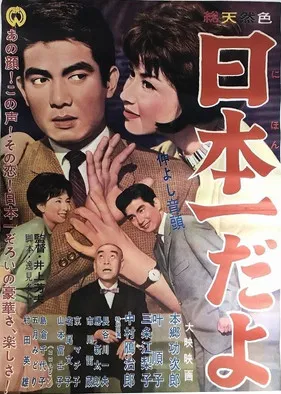
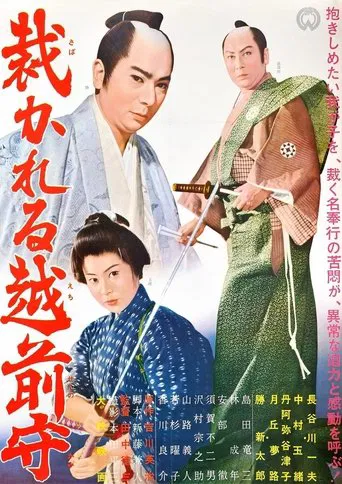
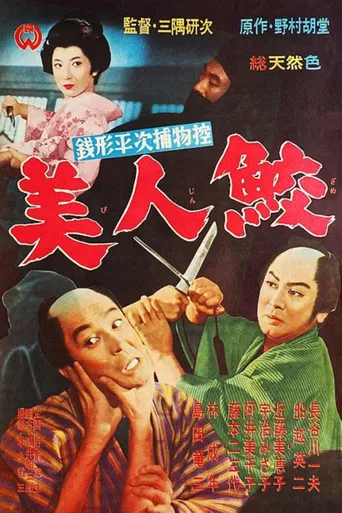
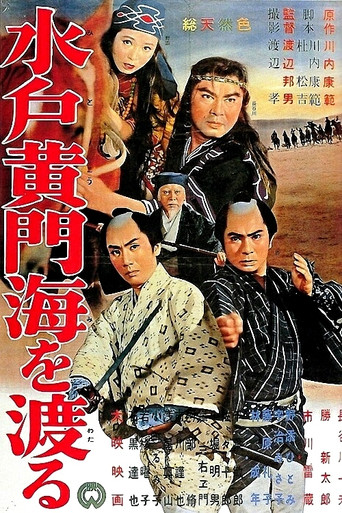
as Mito Komon

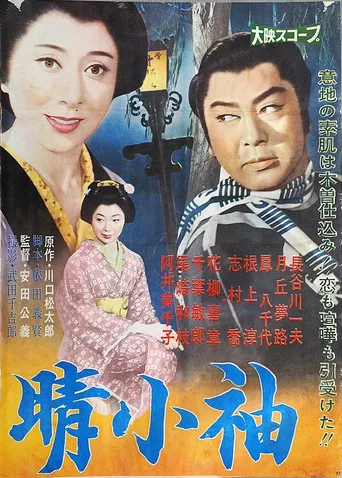


as Chouemon Takakura

as Ryūtarō Tsumura
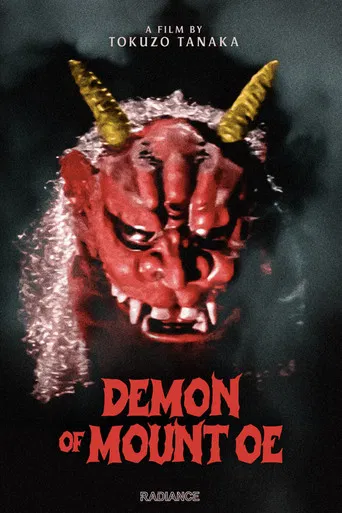
as Shuten-dôji

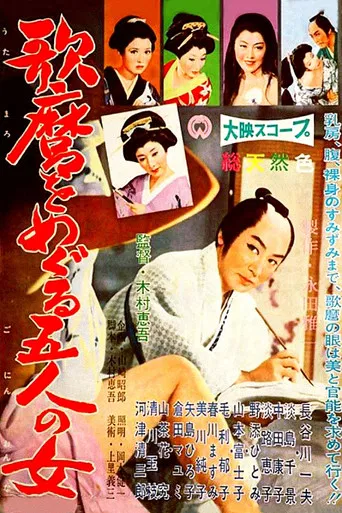
as Kitagawa Utamaro
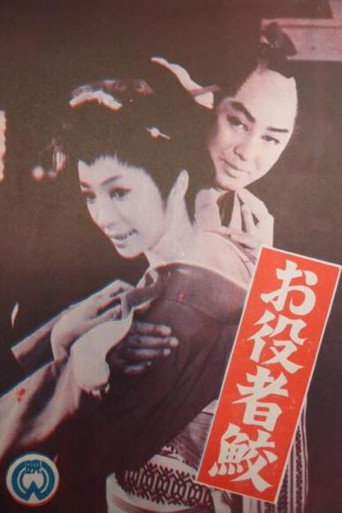

as Iemon Tamiya
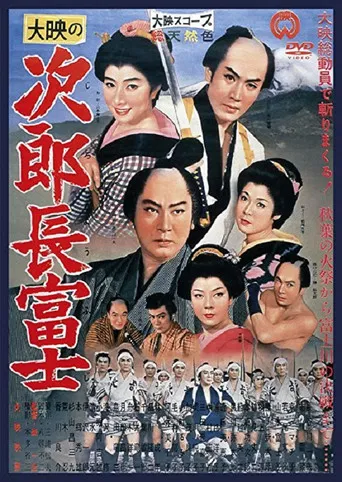
as Shimizu no Jirocho

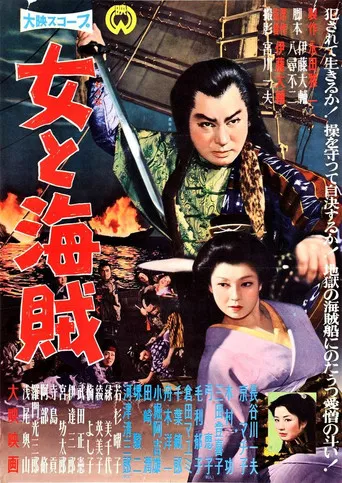
as 御崎庄五郎

as Yatarô
Series credits linked with Kazuo Hasegawa.
