✦ AI-generated review
The Butcher’s Playlist
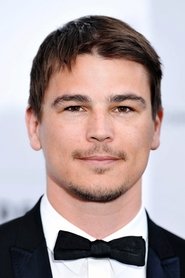
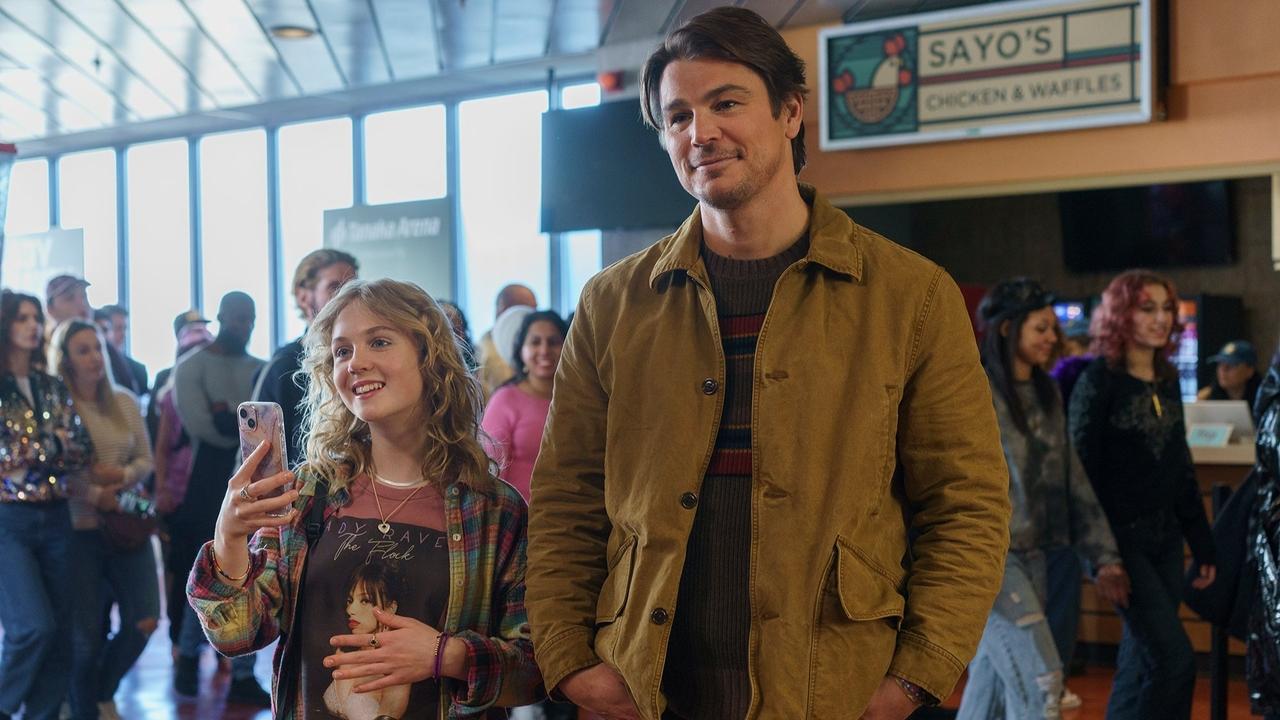
There is a specific, modern anxiety to being a father in a public space—the performative need to be both a protector and a participant, to chaperone while feigning enthusiasm for a culture that has long since outpaced you. In *Trap* (2024), M. Night Shyamalan weaponizes this dad-anxiety, stripping away the supernatural pretenses of his past work to reveal something far more unsettling: the monstrous effort it takes to pass as normal. Cooper, played with a career-best, serpentine charm by Josh Hartnett, is not a ghost or a superhero. He is a serial killer known as "The Butcher," yes, but he is also a goofy suburban dad trying to get his teenage daughter a good view at a pop concert. The film’s brilliance—and its eventual stumble—lies in forcing us to root for the monster, not because we approve of his crimes, but because we recognize his desperate need to keep the "dad" mask from slipping.
Shyamalan’s visual language here is shockingly disciplined, at least initially. Working with cinematographer Sayombhu Mukdeeprom (known for Luca Guadagnino’s *Challengers*), he shoots the concert venue not as a playground, but as a grid of suffocating surveillance. The camera stays uncomfortably close to Hartnett’s face, trapping us in his subjective reality. We see the blur of police uniforms in the background only when he does; we feel the walls closing in through the tightening of his jaw. The concert itself—featuring Saleka Shyamalan as the Lady Raven—is less a backdrop and more a sensory assault. The crushing bass and screaming teenagers create a chaotic soundscape that mirrors Cooper’s internal panic. It is a masterclass in spatial tension, turning a stadium of 20,000 people into a claustrophobic cage.
The heart of the film, however, is entirely Hartnett. We are witnessing the "Joshaissance" in real-time, and his performance here is a delicate high-wire act. He oscillates between "cringe dad" using outdated slang and a cold, reptilian predator assessing exit routes. It is a performance of a performance. Watch his eyes during the pivotal realization that the entire concert is a sting operation designed to catch him: there is no mustache-twirling villainy, only the terrifyingly swift calculation of a man whose compartmentalized life is bleeding together. The true horror isn't the violence Cooper has committed off-screen; it’s the ease with which he can snap back into "supportive father" mode, handing his daughter a soda moments after crippling a victim.
Yet, *Trap* struggles to maintain its own rigorous logic. As the narrative inevitably spills out of the concert hall and into the "real world," the script buckles under the weight of its contrivances. The psychological thriller morphs into something looser and sillier, abandoning the tight, Hitchcockian constraint of the arena for a third act that feels improvised. The domestic showdown—featuring a slice of pie that carries the weight of a Greek tragedy—is tense, but it lacks the visceral immediacy of the stadium scenes.
Ultimately, *Trap* serves as a fascinating, if imperfect, entry in Shyamalan’s late-career renaissance. It rejects the heavy-handed spirituality of *Knock at the Cabin* in favor of a meaner, pulpier pleasure. It suggests that the most dangerous traps aren't the ones set by the FBI, but the roles we construct for ourselves—the "good father," the "nice neighbor"—and the violence required to maintain them. Cooper may be a killer, but in his desperate attempt to not ruin his daughter’s big night, he is terrifyingly human.