Luisa
Hélène Rémy
Luisa

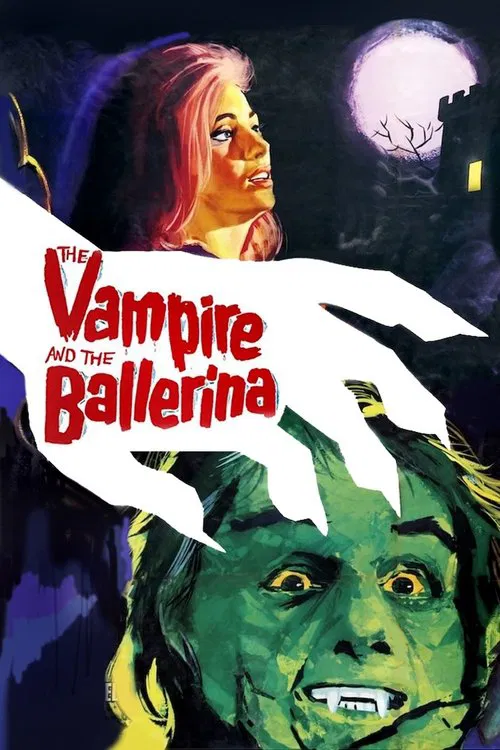
“BLOOD-LUSTING FIEND WHO PREYS ON GIRLS! VAMPIRE-QUEEN WHO FEEDS ON LIFEBLOOD OF MEN!”
A troupe of beautiful dancers find themselves stranded in a sinister castle, not knowing it is home to a group of vampires.
The Vampire and The Ballerina Trailer 1960
Luisa
Hélène Rémy
Luisa
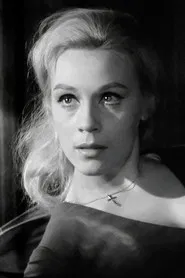
Francesca
Tina Gloriani
Francesca
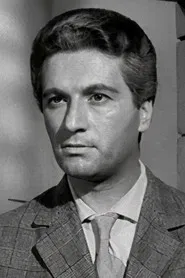
Herman
Walter Brandi
Herman

Luca
Isarco Ravaioli
Luca
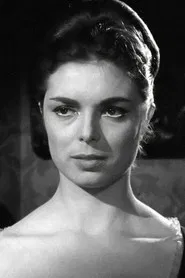
Countess Alda
María Luisa Rolando
Countess Alda

Giorgio
Gino Turini
Giorgio

The Professor
Pier Ugo Gragnani
The Professor

Brigitte Castor

Lut Maryk

Ombretta Ostenda
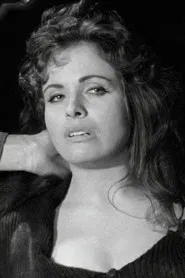
Brigida
Bava Sanni
Brigida

Marisa Quattrini
**_The precursor to Coppola’s “Bram Stoker’s Dracula”_** When a troupe of mostly female dancers stay at a professor’s mansion southeast of Rome, two of them (Helene Remy and Tina Gloriani) and a male friend make the mistake of seeking shelter at a nearby abandoned castle during a storm. The problem is, it’s inhabited by two predatory vampires, one male and the other female. “The Vampire and the Ballerina” (1960) is a B&W Italian production originally called “The Lover of the Vampire” (translated from Italian). The old, hideous vampire transforming into a normal-looking male after drinking fresh blood is a concept borrowed by Francis Ford Coppola & (writer) James Hart for their "Bram Stoker's Dracula" 32 years later. Hammer’s “Horror of Dracula” came out two years earlier, but was shot in lush color; the same with the contemporaneous “The Brides of Dracula.” Regrettably, this one is bogged down by flat B&W cinematography. Nevertheless, it evokes the expected spooky Gothic atmosphere, not to mention is highlighted by the authentic castle locations and the stunning female cast augmented by filmmakers who actually know how to shoot beautiful women (no pun intended). Don’t get me wrong, there’s no nudity or sleaze; instead, there’s a sense of beauty to the proceedings, as well as reverence, despite the diabolical vampirism. I should add that Helene Remy as Luisa is reminiscent of Candace Hilligoss in “Carnival of Souls,” which was also shot in B&W. I bring this up because the filmmaking is similar; if you like one, you’ll appreciate the other. It runs 1 hour, 27 minutes, and was shot at the Palazzo Borghese in Artena, Italy (aka the castle of Artena), which is a half hour drive southeast of Rome. Studio work was done in the city at LUCE Studios. GRADE: B-
Read full reviewMore movies you might want to watch next.