✦ AI-generated review
The Architecture of Rage
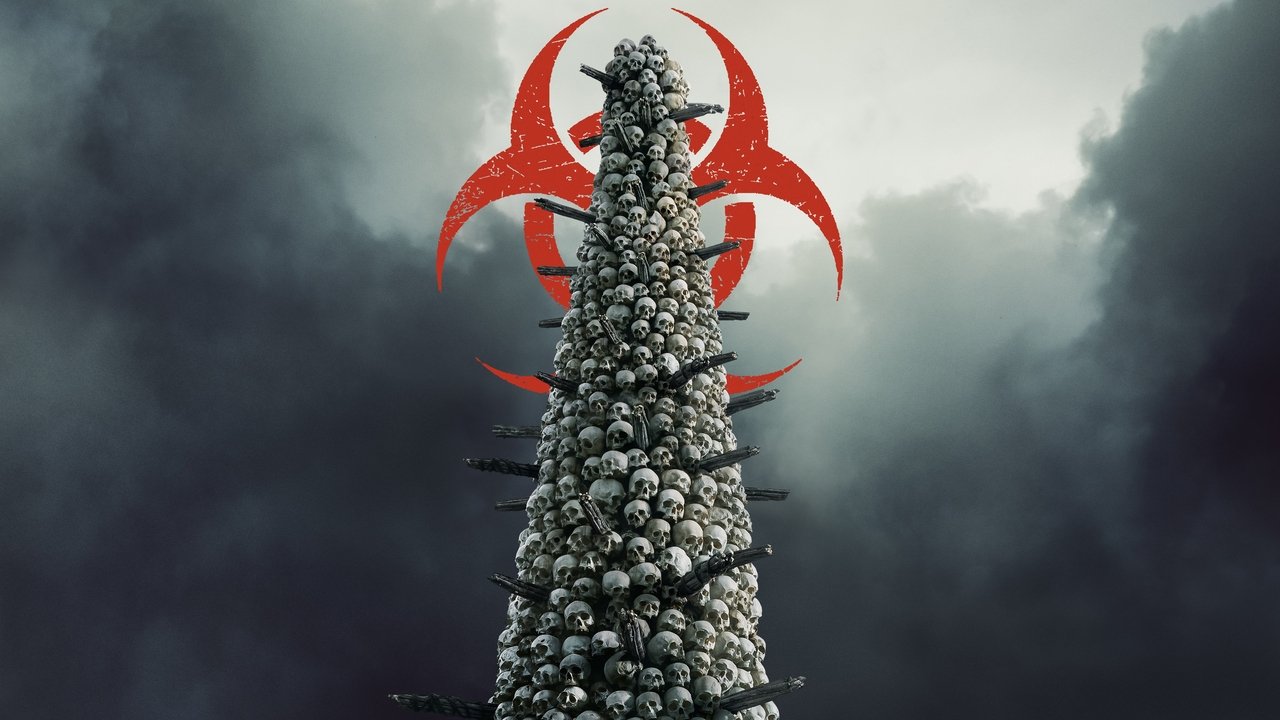
The most terrifying image in Danny Boyle’s *28 Years Later* is not a sprinting, blood-vomiting infected. It is a television screen glowing in a darkened cottage, playing an episode of *Teletubbies*. The year is 2002. Outside, the world is ending; inside, the pre-apocalyptic innocence is so thick it suffocates. When Boyle and screenwriter Alex Garland unleashed *28 Days Later*, they redefined the grammar of horror with digital grain and frantic speed. Returning to this desolate sandbox nearly three decades later, they have not merely made a sequel; they have crafted a meditation on what happens when a country is left to rot in its own nostalgia.
The film is a fascinating collision of the pastoral and the profane. We find ourselves on Holy Island, a fragment of civilization connected to the mainland only by a perilous causeway. Here, the "Rage" virus is less a present threat and more a foundational myth, a story told to children like Spike (a luminous Alfie Williams) to keep them compliant. Boyle, reuniting with cinematographer Anthony Dod Mantle, shoots this world with a evolved version of the digital aesthetic that defined the original. Using iPhone technology, the visuals possess a hyper-real, almost hallucinatory clarity. The English countryside hasn't looked this beautiful, or this threatening, in years. It is a landscape reclaimed by nature, where the lush greenery hides a history that refuses to stay buried.
Unlike the relentless sprint of the 2002 original, this film initially adopts the gait of a mournful western. The narrative spine is intimate: a young boy, his stoic father (Aaron Taylor-Johnson), and his ailing mother (Jodie Comer) venture into the mainland not to save the world, but to find a doctor. It is here that the film pulls its cruelest and most brilliant switch. We expect the horror to come from the infected—who have evolved into hulking, grotesque figures or fat, lethargic hazards—but the true antagonist is the mundane tragedy of cancer.
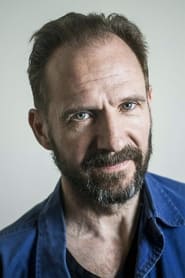
The sequence involving Ralph Fiennes as the reclusive Dr. Kelson is the film’s emotional anchor. Fiennes plays Kelson not as a savior, but as a custodian of death, teaching young Spike the concept of *Memento Mori*. The realization that Spike’s mother is dying of a tumor, a relic of the "old world" diseases, rather than the exotic Rage virus, grounds the film in a profound melancholy. It forces the audience to confront a simple truth: even at the end of the world, the ordinary tragedies of the human body persist.
Yet, Boyle refuses to let us wallow in mere sadness. A scene involving an infected woman giving birth—attended to by the dying mother—is a masterclass in tension and grotesque empathy, blurring the line between monster and victim. It suggests that life, no matter how mutated, clawed its way forward.
If the film stumbles, it is perhaps in its refusal to offer a clean resolution. The finale fractures the narrative, introducing a bizarre, cult-like coda involving a character named "Jimmy" that feels less like a conclusion and more like a fever dream. It is a jarring tonal shift, veering from elegiac drama to graphic-novel absurdity. However, this messiness feels intentional. Boyle and Garland are not interested in the polished mechanics of modern blockbusters. They are interested in the chaotic, messy persistence of memory. *28 Years Later* is an imperfect, jagged, and deeply human film, asserting that while the Rage may burn out, the scars it leaves on the landscape—and the soul—are permanent.