The Pirouette of the PredatorThere is a specific, frantic energy that directors Matt Bettinelli-Olpin and Tyler Gillett (collectively known as Radio Silence) bring to the horror landscape. Their cinema is one of claustrophobic chaos, usually involving a grand, decaying estate and a cast of characters who are drastically underprepared for the violence about to be visited upon them. In *Abigail* (2024), a reimagining of the 1936 classic *Dracula’s Daughter*, they do not merely revisit the vampire mythos; they dress it in tulle and force it to dance. This is not a film that seeks to elevate the genre through brooding silence; rather, it seeks to drown it in a cacophony of screams and an absolute deluge of visceral red.
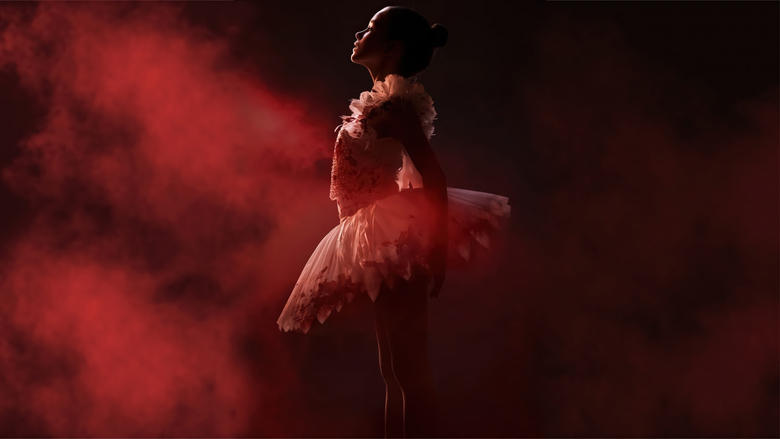
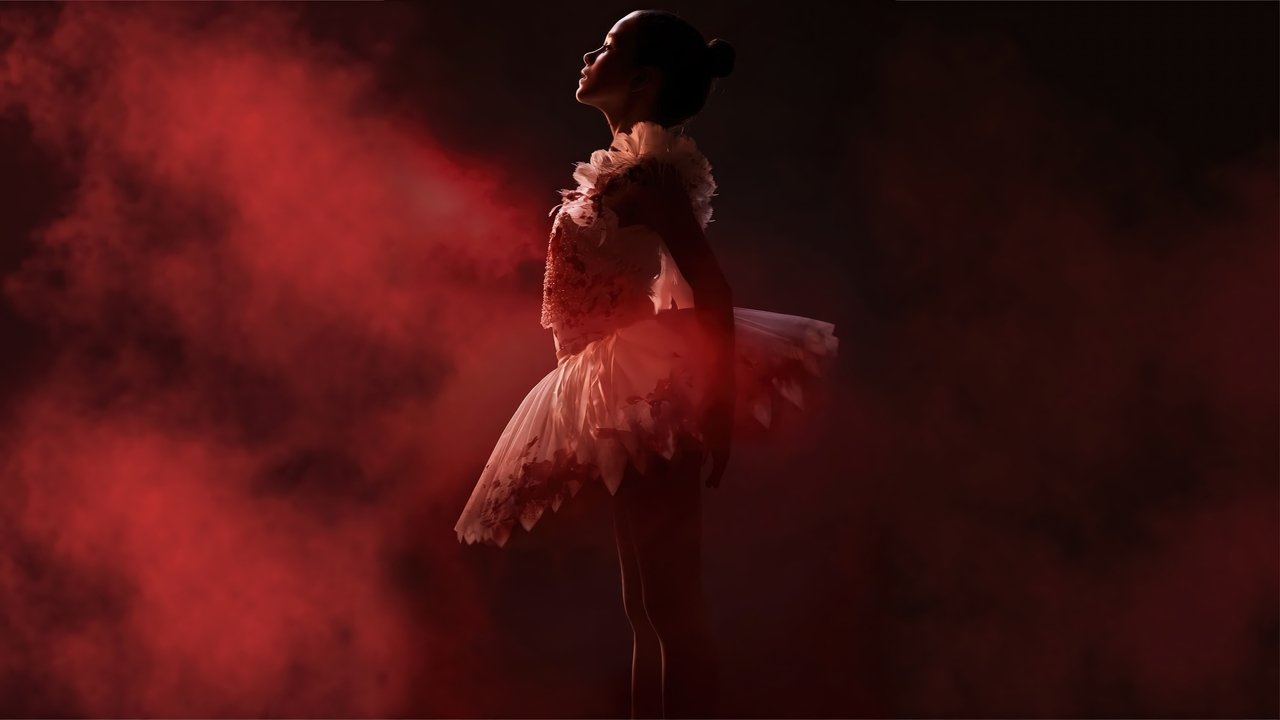
The premise is deceptively simple, echoing the heist-gone-wrong structures of crime thrillers. A motley crew of criminals, each an archetype of the underworld (the muscle, the driver, the hacker), kidnaps the twelve-year-old daughter of a shadowy crime lord. They expect a negotiation; they receive a slaughter. However, Bettinelli-Olpin and Gillett use this setup to interrogate the visual language of innocence. By casting the predator as a delicate ballerina (Alisha Weir), the film creates a jarring dissonance. The choreography of the ballet—rigid, disciplined, graceful—becomes the choreography of the kill. The camera lingers on this juxtaposition, finding a perverse beauty in the way Abigail pirouettes through violence, turning the massacre into a macabre recital. The manor itself, with its high ceilings and locked doors, ceases to be a shelter and becomes a cage, emphasizing the film’s central thesis: we are often trapped by the very things we underestimate.
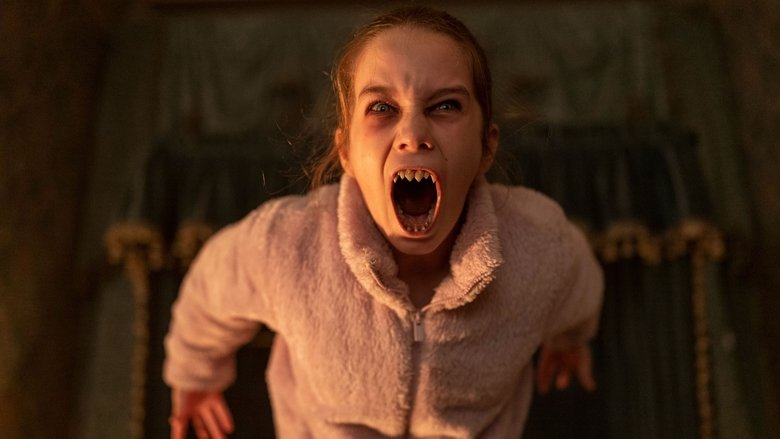
Yet, beneath the exploding bodies and the frantic gunplay, the script harbors a surprisingly tender, albeit twisted, heart. The narrative is anchored not by the scares, but by the mirror image between the hunter and the hunted. Melissa Barrera’s Joey, a recovering addict trying to return to her son, finds a distorted reflection in Abigail, a centuries-old child seeking the approval of an absent, god-like father. The film posits that monstrosity is often a byproduct of neglect. Abigail is not just a beast; she is a lonely child with infinite power and zero supervision. This dynamic elevates the third act beyond a simple survival game into a tragedy of errors, where the lines between the "good" criminal and the "bad" monster blur into a singular struggle for autonomy against patriarchal control.
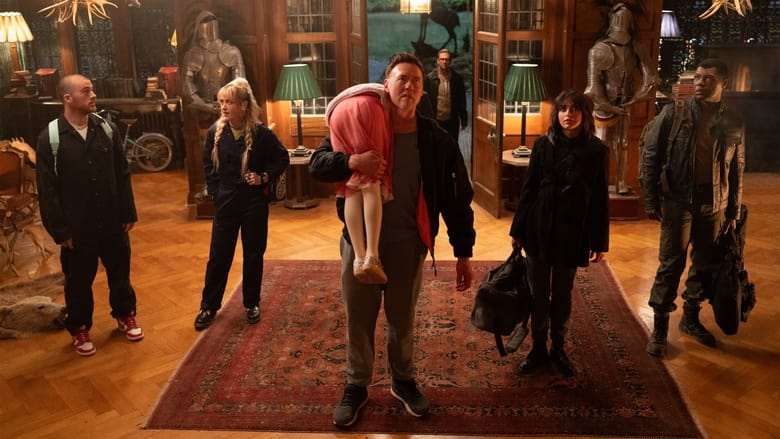
Ultimately, *Abigail* succeeds because it refuses to be embarrassed by its own excesses. In an era where horror often strives for metaphorical density at the expense of entertainment, Radio Silence remembers the primal joy of the "creature feature." They understand that cinema is an emotional machine, and sometimes that machine runs best on high-octane absurdity. By the time the screen cuts to black, the film has delivered a reminder that the most dangerous things in life often come in the smallest, most disciplined packages. It is a bloody, raucous ovation to the monsters that live, quite literally, within the walls of our expectations.