✦ AI-generated review
The Sirens Song of the American Broken
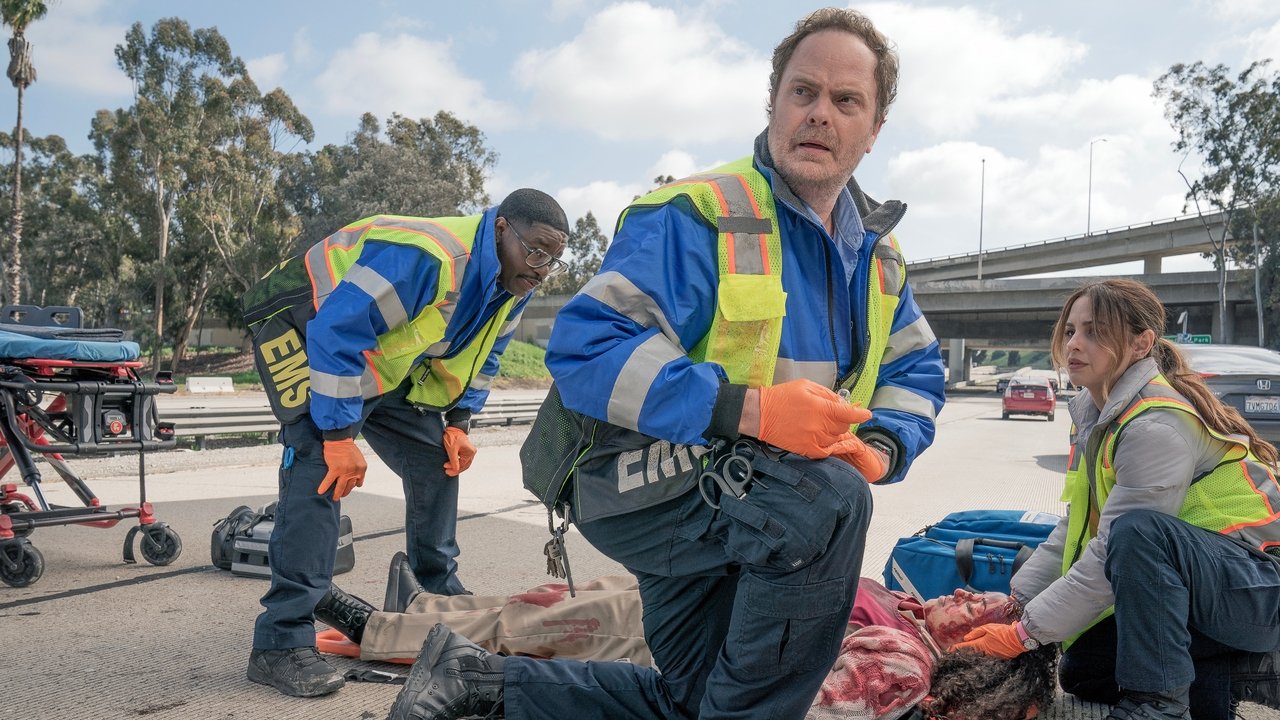
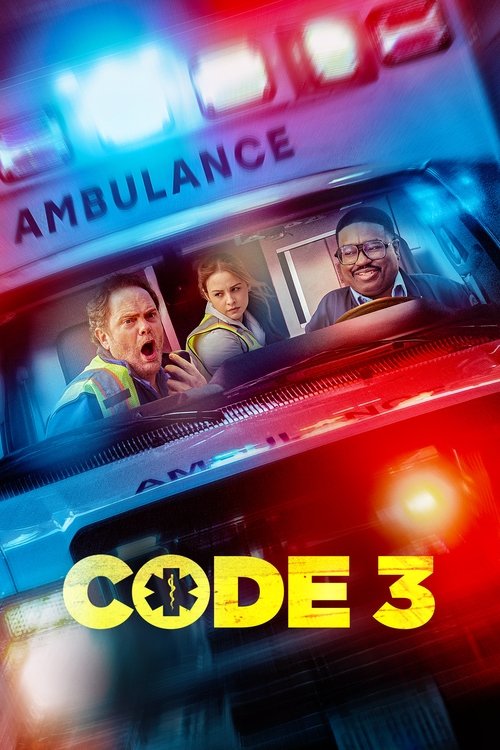
The "one last shift" narrative is a cinematic antique, usually reserved for grizzled cops days away from a pension or heist experts seeking a final score. In *Code 3*, director Christopher Leone dusts off this trope not to glorify a hero's exit, but to diagnose a systemic illness. Rainn Wilson plays Randy, a paramedic whose soul has been slowly eroded by eighteen years of Los Angeles traffic, trauma, and indifference. As he embarks on his final 24-hour shift before pivoting to a soulless (but safe) job in insurance, the film reveals itself not merely as an action-comedy, but as a frenetic, blood-soaked love letter to the people we treat as disposable infrastructure.
Leone, previously known for high-concept science fiction like *The Lost Room*, grounds his visual language here in the claustrophobic urgency of the ambulance. The camera work is kinetic, often shaking with the vibration of the rig, mirroring the cortisol spikes of its passengers. Yet, Leone makes a bold stylistic choice to puncture this realism with direct address. Randy breaks the fourth wall, staring down the lens to deliver soliloquies that function less like *Ferris Bueller* winks and more like exhausted confessionals. These moments, along with on-screen graphics displaying the abysmal salaries of emergency workers compared to hospital administrators, create a documentary-like texture. It forces the audience to stop being passive observers of the "content" and become witnesses to the labor.
At the center of this chaos is Wilson, who sheds the eccentricities of his *Office* past to inhabit a man hollowed out by compassion fatigue. His Randy is a study in functional depression—he moves with the muscle memory of a savior but the eyes of a ghost. However, the film’s emotional ballast is unexpectedly provided by Lil Rel Howery as Mike, Randy’s partner. In a genre that often relegates the partner to comic relief, Howery delivers a performance of profound quiet strength.
There is a pivotal sequence involving a mental health crisis—a recurring patient, a large Black man off his medication—that serves as the film's moral anchor. While police sirens wail and officers reach for their holsters, escalating the tension, Mike steps forward with a terrifying gentleness. He de-escalates not with force, but with a recognition of shared humanity. It is a scene that stops the movie’s comedic momentum dead in its tracks, demanding we look at the intersection of race, mental health, and policing without blinking. It is here that *Code 3* transcends its "buddy comedy" marketing to become something far more urgent.
The addition of Aimee Carrero as Jessica, the wide-eyed trainee, risks falling into the cliché of the naive rookie, but she serves as a necessary counterweight to Randy’s cynicism. She reminds us why anyone signs up for this punishment in the first place: the stubborn, irrational belief that saving one life matters, even if the system is designed to let them slip through the cracks.
*Code 3* is not a perfect film; it occasionally buckles under the weight of its own tonal shifts, careening from slapstick "baby in a microwave" gallows humor to crushing tragedy a bit too recklessly. But perhaps that jagged rhythm is the point. The life of a paramedic isn't a smooth narrative arc; it is a series of violent interruptions. Leone has crafted a film that argues the American healthcare system is not broken—it is working exactly as designed, extracting maximum profit from human suffering, while leaving men like Randy and Mike to mop up the blood. It is a messy, loud, and deeply human howl against the dying of the light.