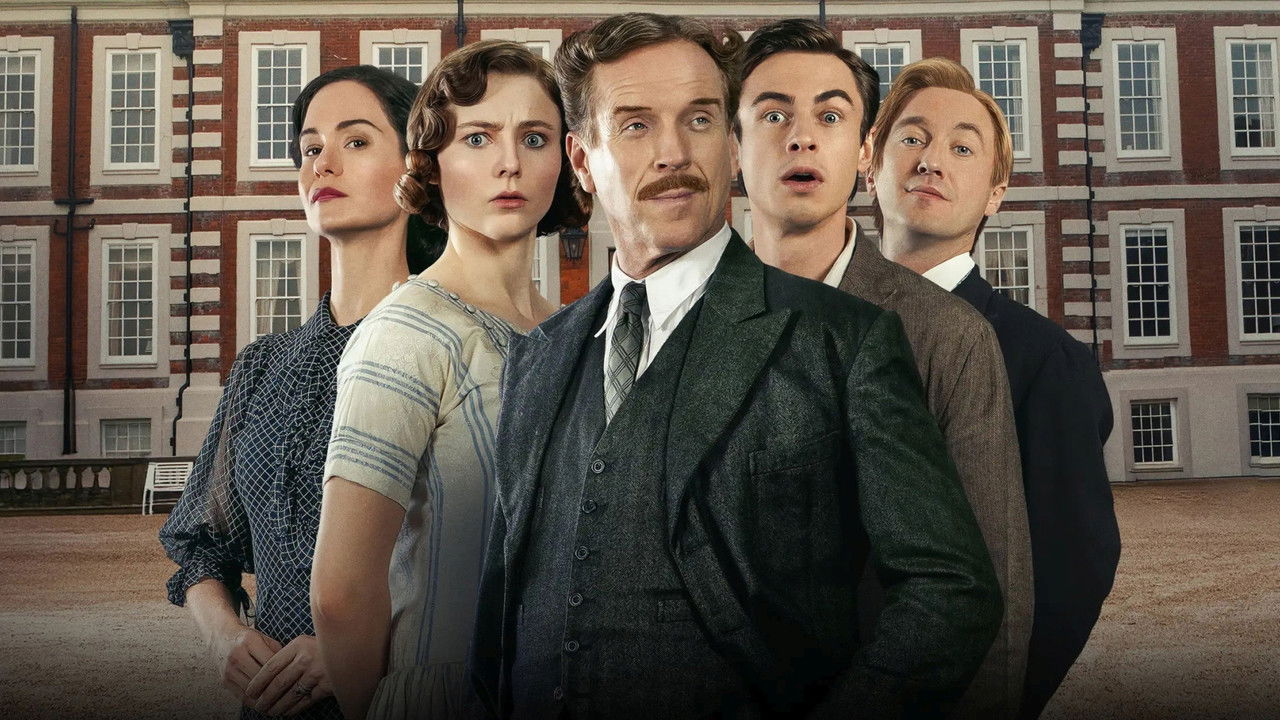
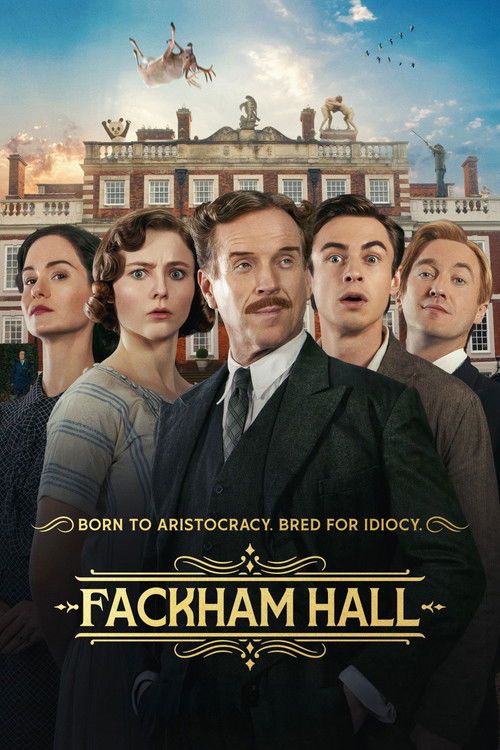
The Decline of DecorumThere is a specific, comfortable silence that fills the rooms of the British period drama—a hush of stiff upper lips, repressed desire, and the gentle clinking of porcelain. In *Fackham Hall*, director Jim O’Hanlon does not merely break this silence; he shatters it with the chaotic, unrefined noise of the burlesque. The film, a relentless spoof of the *Downton Abbey* industrial complex, attempts to resurrect the anarchic spirit of the Zucker brothers (of *Airplane!* fame) but transplants it into the manicured gardens of 1930s aristocracy. The result is a work that is visually indistinguishable from the prestige television it mocks, yet narratively committed to the glorious, if uneven, art of the low-brow gag.
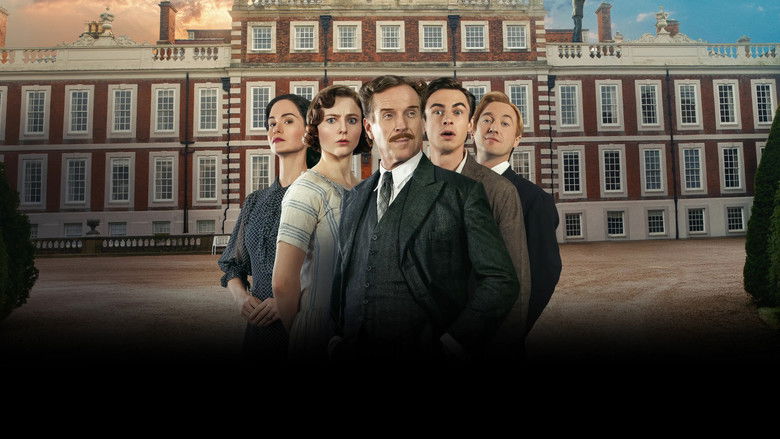
O’Hanlon’s smartest decision is his refusal to wink at the camera. The visual language of *Fackham Hall* is impeccably serious. Cinematographer Philipp Blaubach captures the sweeping green vistas and the dimly lit, dust-mote-filled corridors with the same reverence one might expect from a Merchant Ivory production. This aesthetic fidelity creates a crucial friction; when a bullet ricochets through the manor in an impossible Rube Goldberg sequence—lighting a cigarette and uncorking champagne—the humor lands not because the CGI is cartoonish, but because the environment remains so stubbornly realistic. The film understands that for a parody to sting, it must first successfully inhabit the skin of its host.
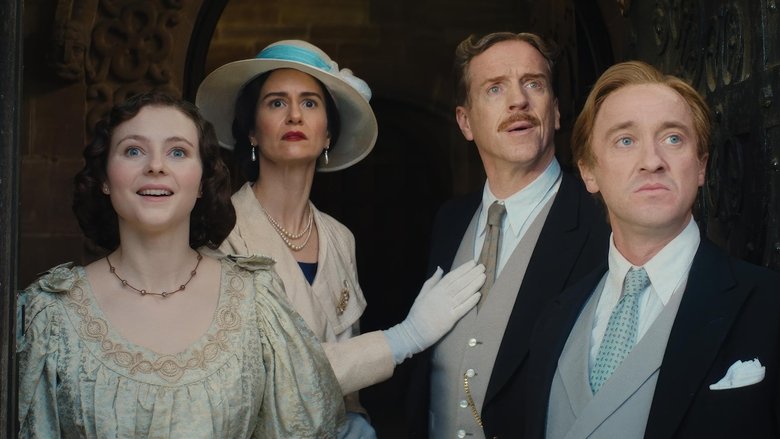
At the center of this collision are Damian Lewis and Katherine Waterston as Lord and Lady Davenport, performances that anchor the film’s erratic energy. Lewis, in particular, plays the besieged patriarch with a tragic dignity that makes his dim-wittedness all the more delightful. The script, penned by comedian Jimmy Carr and collaborators, targets the inbreeding of the upper crust with the Davenport family motto, *Incestus ad infinitum*, and a plot involving the desperate need to marry off a daughter to a cousin. While the social satire occasionally feels like low-hanging fruit—mocking the rich for being out of touch is hardly revolutionary in 2025—the actors infuse these caricatures with a surprising amount of soul. They play the emotional beats of the crisis so sincerely that the absurdity of their predicament becomes a commentary on the fragility of legacy itself.
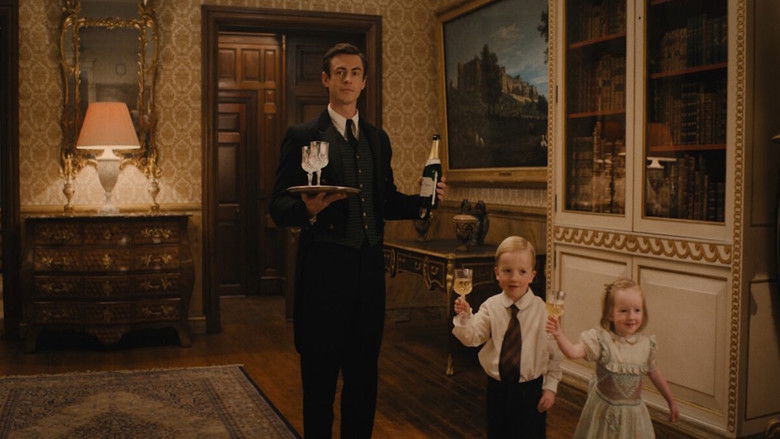
However, the film is not without its stumbling blocks. In its race to deliver a joke every ten seconds, *Fackham Hall* occasionally sacrifices narrative cohesion for the sake of a punchline. The romance between the plucky porter Eric (Ben Radcliffe) and the rebellious daughter Rose (Thomasin McKenzie) serves as the "straight" emotional spine of the story, but it is often overshadowed by the sheer volume of sight gags and wordplay. McKenzie, usually known for her psychological intensity, brings a lightness that is welcome, yet one wishes the film allowed her character to breathe before rushing to the next pratfall.
Ultimately, *Fackham Hall* is a film that views the past not with nostalgia, but with a cheeky irreverence. It suggests that the pomp and circumstance we revere in our history books was likely just as chaotic and ridiculous as our present, merely dressed in better clothing. It may not redefine the genre, but in its best moments, it reminds us that even the most dignified portraits are just one whoopee cushion away from disaster.