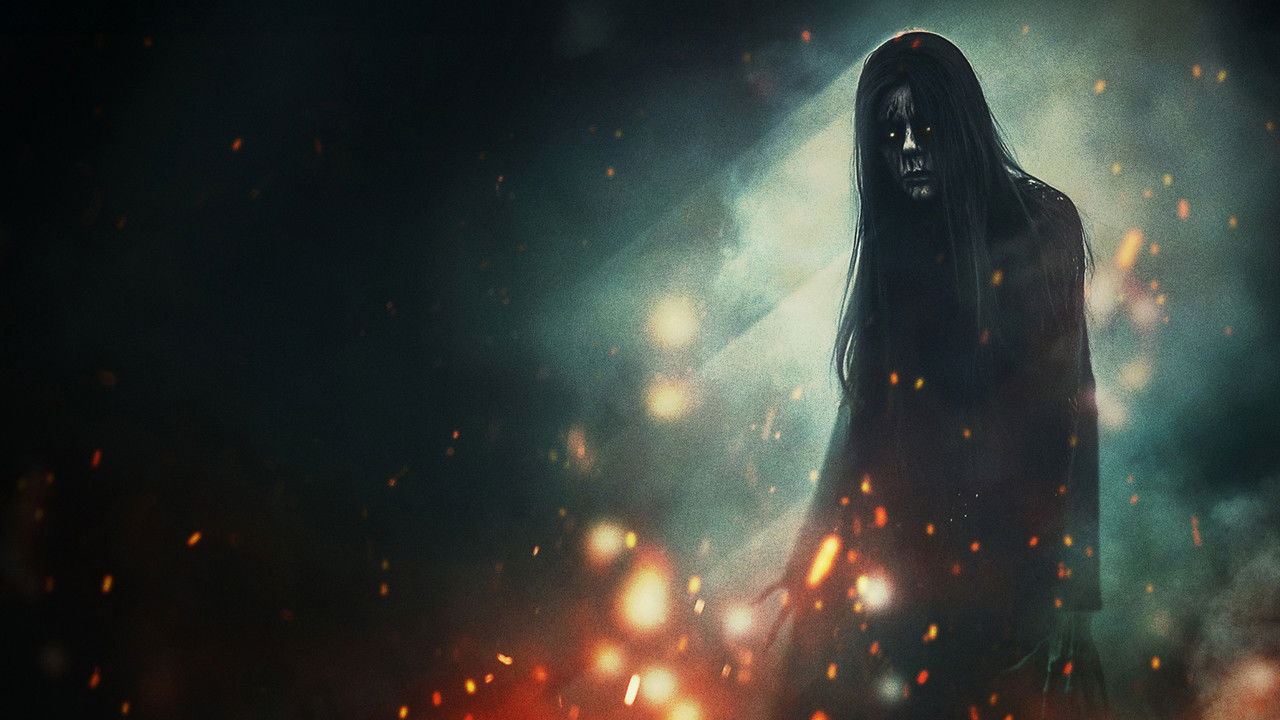
The Screaming EarthThere is a particular texture to Irish folk horror—a damp, permeating chill that suggests the land itself is holding a grudge. In Colum Eastwood’s *The Morrigan* (2026), that grudge is not merely atmospheric; it is archaeological. Expanding on his 2015 short film, Eastwood attempts to excavate something far more volatile than ancient artifacts: he is digging into the bedrock of matriarchal rage. While the film occasionally stumbles under the weight of its own mythological density, it succeeds in transforming a standard possession narrative into a sharp, jagged critique of how history—and men—have sought to bury powerful women.
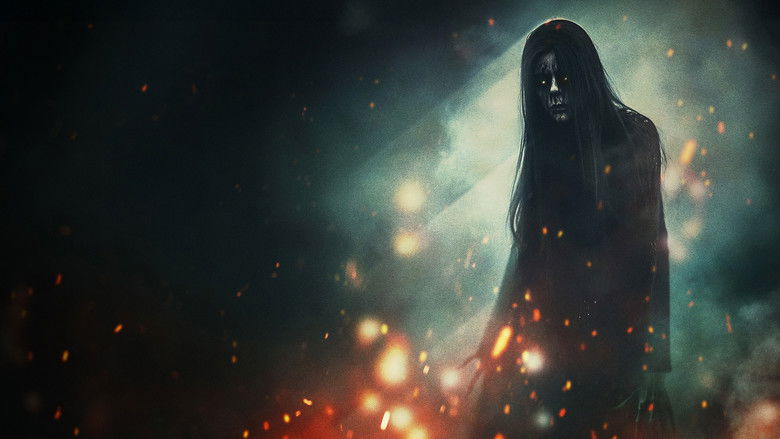
Visually, Eastwood treats the fictional Annan Island less like a location and more like a prison constructed of wind and slate. The cinematography is suffocatingly tactile; you can almost feel the grease of the mud and the bite of the Atlantic spray. When Dr. Fiona Scott (Saffron Burrows) arrives to excavate a tomb she believes belongs to the Morrigan—not as a myth, but as a historical queen—the camera frames her as an intruder in a space that demands reverence, not study. The excavation site is a wound in the earth, and the film’s visual language suggests that by opening it, Fiona is not discovering history, but releasing a suppressed trauma that the modern world is ill-equipped to cauterize.
The film’s true friction, however, is found in its domestic interplay. Burrows plays Fiona with a brittle, academic detachment that cracks beautifully when faced with her rebellious daughter, Lily (Emily Flain). The script cleverly juxtaposes the "civilized" misogyny of Fiona’s colleague (Jonathan Forbes) and the paternalistic concern of the local landowner (Toby Stephens) against the raw, chaotic force of the goddess. When Lily falls under the Morrigan’s influence, the film pivots away from the theological terror of *The Exorcist*. Here, possession is framed not as a loss of self, but as a terrifying surplus of agency. Lily’s transformation is a dark coming-of-age metaphor; the "monster" is simply a teenage girl who has stopped asking for permission.
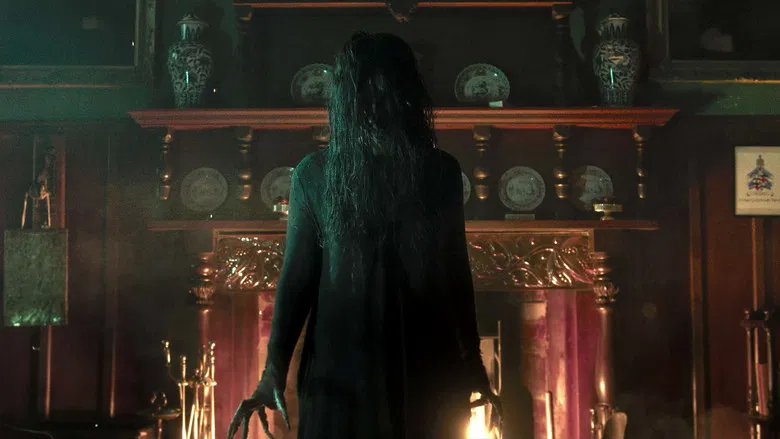
Where *The Morrigan* falters is in its pacing. The transition from psychological dread to supernatural violence feels occasionally disjointed, and the subplots involving the local priesthood (anchored by the always-gravitas-filled James Cosmo) sometimes clutter the narrative runway. The film wants to be both a slow-burn meditation on folklore and a visceral creature feature, and the seams between these two modes are visible. Yet, there is an undeniable power in the climax. By refusing to offer a clean "cleansing" of the spirit, Eastwood denies the audience the comfort of restored order. The chaos *is* the point.
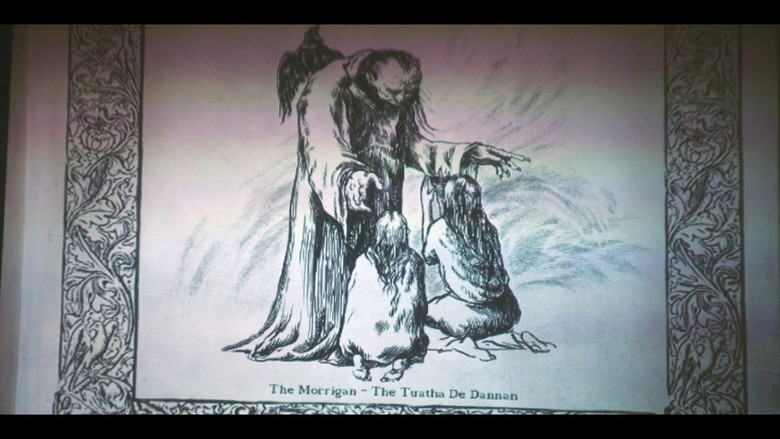
Ultimately, *The Morrigan* is a film that lingers like the smell of peat smoke. It posits that the ancient gods are not dead, but merely waiting for the patriarchy to let its guard down. It is a flawed but ferocious entry in the folk horror canon, reminding us that some things buried in the bog are not meant to rest in peace—they are meant to wake up screaming.