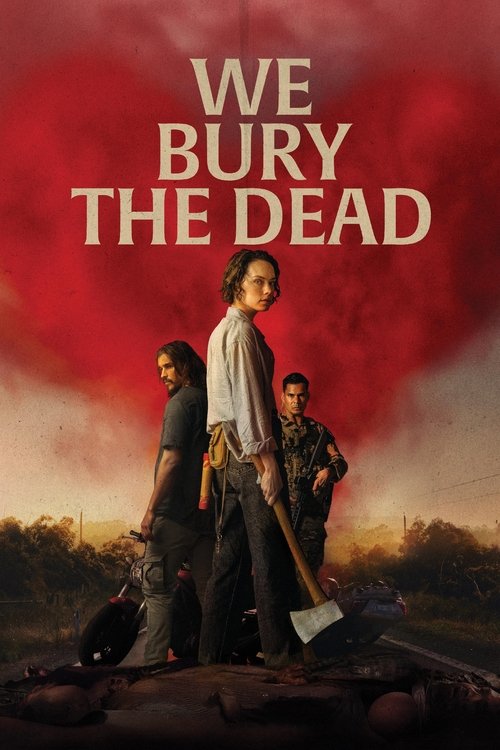
The Unquiet GraveThe zombie film, by its very nature, is a genre of repetition. It is a cycle of rising, biting, and dying that has been chewed over so thoroughly by pop culture that the marrow is all but gone. Yet, Australian director Zak Hilditch (*These Final Hours*, *1922*) has managed to find a pulse in the rigor mortis. With *We Bury the Dead*, he strips away the kinetic frenzy of the "running zombie" era to return to something far colder and more unsettling: the crushing bureaucracy of death. This is not a film about surviving the apocalypse; it is a film about the administrative nightmare of cleaning up after it, and the terrifying refusal of grief to stay buried.
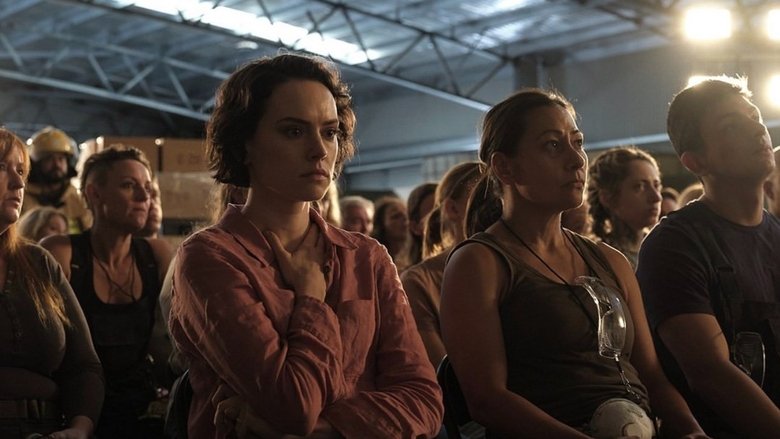
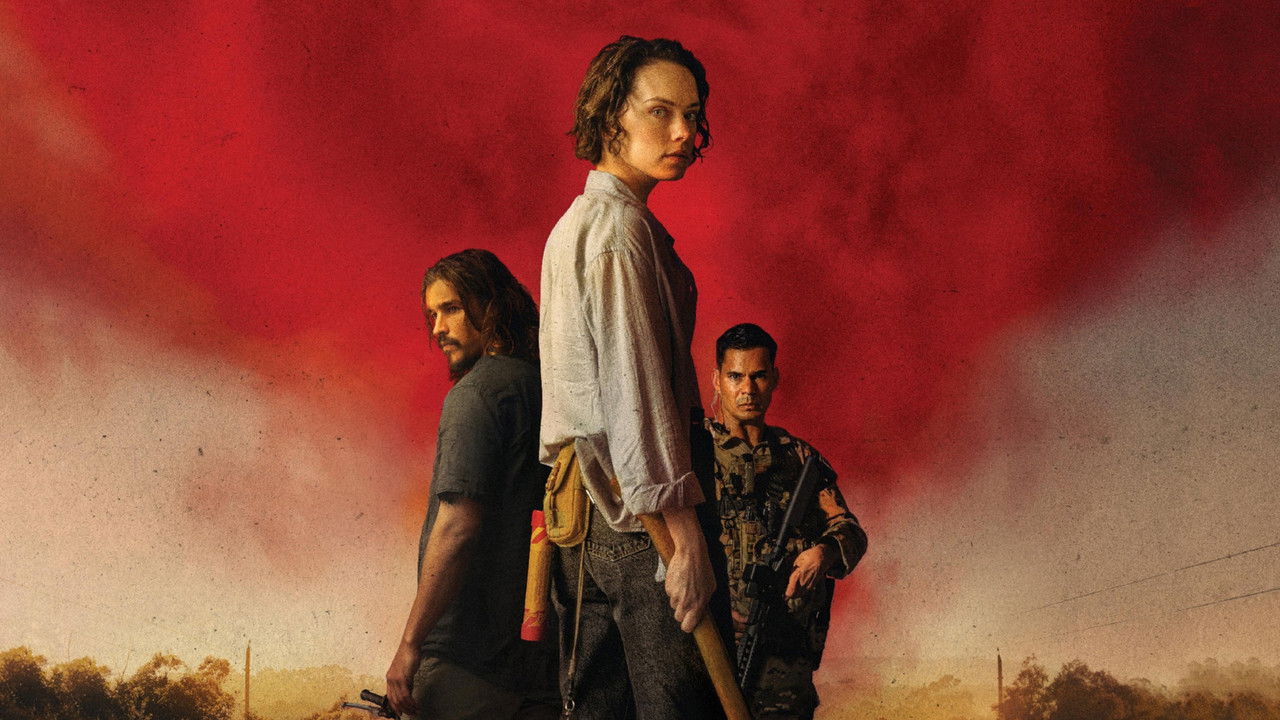
Hilditch frames the narrative not as a war, but as a cleanup operation. Following a catastrophic military "accident" in Tasmania that leaves half a million dead, the horror comes not from the initial blast, but from the silence that follows. The film’s visual language is suffocatingly grey, utilizing the rugged, wind-swept coastlines of Western Australia (standing in for Tasmania) to create a landscape that feels purgatorial. The horror here is domestic and intimate. When Ava (Daisy Ridley) joins a "body retrieval unit," the film lingers on the voyeuristic tragedy of entering strangers' homes—lives interrupted mid-coffee, mid-argument, mid-breath. It captures a specific, heavy atmosphere where the banality of tagging corpses clashes with the supernatural creeping in at the edges.

At the center of this desolation is Daisy Ridley, who delivers a performance of stoic, brittle resolve that anchors the film’s metaphysical ambitions. Ava is not the typical action heroine; she is a woman propelled by a denial so potent it borders on madness. Her search for her husband, Mitch, is the narrative spine, but Hilditch brilliantly subverts the "reunion" trope. As Ava peels back the layers of the quarantine zone, she isn't just hunting for a body; she is hunting for closure in a marriage that perhaps died long before the pulse hit. The revelation of Mitch’s infidelity adds a bitter, acidic texture to her grief. It transforms her journey from a noble quest into a desperate need to confront a ghost who wronged her—proving that "unfinished business" is not just a supernatural rule, but a deeply human curse.

The film’s approach to the undead further reflects this theme of unresolved trauma. These are not the mindless eating machines of Romero’s legacy. Hilditch employs a chilling sound design choice—the grinding of teeth—that signals the dead are "coming back online." It is a sound of anxiety, of stress, of a subconscious refusing to let go. When the dead do rise, they are often tragic figures, seemingly reanimated by their own inability to leave the world behind. The tension peaks not in massive battles, but in quiet, claustrophobic encounters, such as the sequence with Riley (Mark Coles Smith), a soldier whose inability to release his own dead wife mirrors Ava’s refusal to accept reality.
Ultimately, *We Bury the Dead* is a meditation on the heavy labor of letting go. While the third act stumbles slightly under the weight of its own symbolism—particularly in a polarizing ending involving a miraculous birth—the film succeeds where so many of its peers fail. It understands that the scariest thing about death isn't the monsters it creates, but the silence it leaves behind, and the agonizing question of what we are supposed to do with the love (and anger) that remains.