✦ AI-generated review
The Ouroboros of Nostalgia
There is a specific, peculiar tragedy to the modern reboot. It is the tragedy of trying to rebuild a house that has already burned down, using only the ashes and a vague memory of the floor plan. We live in an era where cinema seems trapped in a loop, endlessly cannibalizing its own history to feed a marketplace terrified of the new. But in *Anaconda* (2025), director Tom Gormican does something unexpectedly brilliant: he stops pretending the house can be rebuilt. Instead, he films two desperate men weeping in the ashes, and then he releases a giant snake to eat them.
Gormican, who previously dissected the cult of celebrity in *The Unbearable Weight of Massive Talent*, here turns his surgical laser on the "legacy sequel" industrial complex. But where a lesser director would have settled for winking parody, Gormican aims for something far more tender and disturbing. This is not a horror film, nor is it really a comedy. It is a mid-life crisis masquerading as a creature feature.
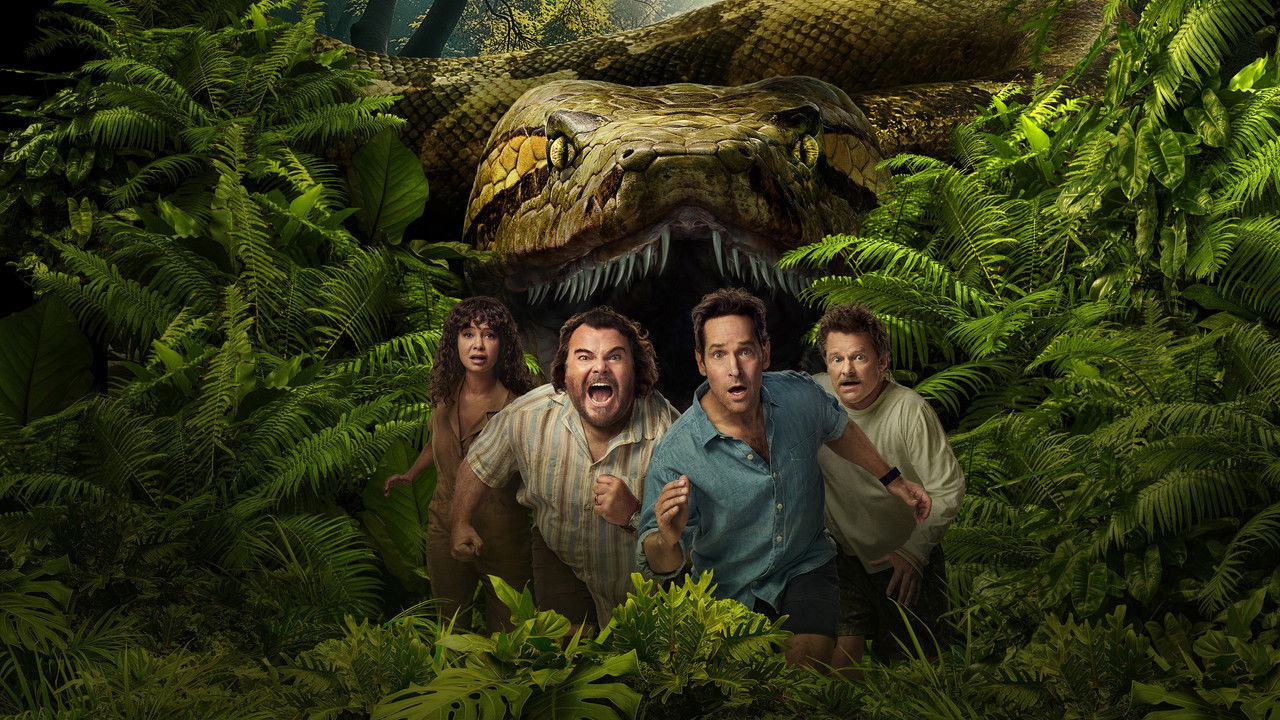
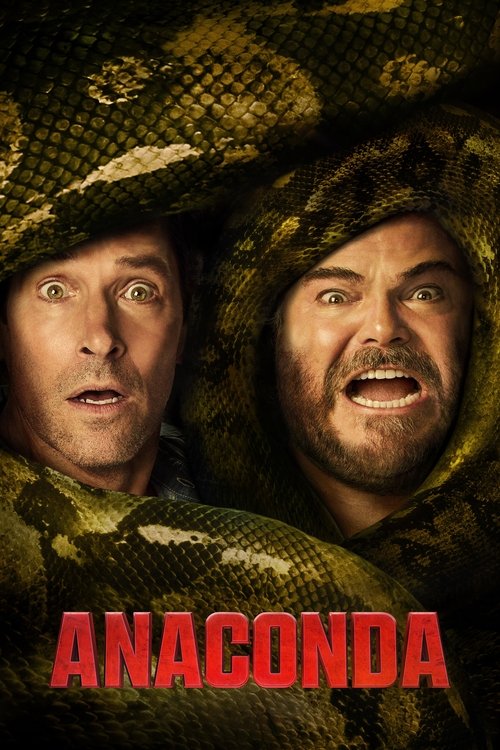
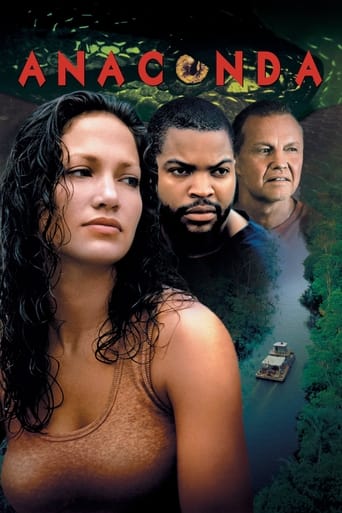
The premise is deceptively high-concept: Griff (Paul Rudd) and Doug (Jack Black), two friends suffocating under the weight of their own irrelevance, trek to the Amazon to film a shot-for-shot amateur remake of the 1997 B-movie classic *Anaconda*. They are not doing this for money; they are doing it because the 90s were the last time they felt alive.
Visually, the film is a study in dissonance. Gormican and cinematographer Nigel Bluck create a harsh boundary between the "film within the film"—shot on shaky, prosumer digital cameras with blown-out highlights—and the suffocating, verdant reality of the actual jungle. The screen is often cluttered with the detritus of filmmaking: boom mics dipping into the frame, light reflectors blinding the actors. It creates a claustrophobic layer of artifice that makes the eventual intrusion of the *real* nature—the damp rot of the rainforest, the visceral snap of bone—all the more shocking.
One scene, in particular, anchors the film’s emotional thesis. Doug is attempting to direct a reenactment of the original film’s waterfall sequence. He is screaming at Griff about "motivation" and "lighting," obsessing over the angle of a plastic prop snake, completely oblivious to the silence falling over the jungle behind him. It is funny, yes, but it is also profoundly sad. We watch two grown men playing with toys in the mud, trying to exert control over a narrative because they have lost control over their lives. When the actual predator finally arrives, it feels less like a monster and more like a manifestation of the inevitable: death, failure, reality.
Paul Rudd and Jack Black, actors who have made careers out of prolonged adolescence, are cast against type by leaning *into* the fatigue of their personas. Rudd strips away his usual charm to reveal a prickly, insecure narcissism, while Black replaces his manic energy with a quiet, desperation that is heartbreaking to watch. Their chemistry is not the snappy banter of an action duo, but the worn-out shorthand of old friends who know each other's failures too well.
The film does stumble in its third act, occasionally getting tangled in the very action tropes it seeks to deconstruct. Once the running and screaming begins in earnest, the delicate satire is somewhat drowned out by the noise of survival. Yet, even in the chaos, the script holds onto its central metaphor. The snake is not just a biological threat; it is the past they are trying to capture. It is a cold, unthinking force that does not care about their nostalgia or their "vision."
*Anaconda* is a film about the danger of looking backward. It suggests that if you stare too long into the abyss of your own youth, eventually, something with teeth will stare back. It is a monster movie where the true horror isn't being eaten alive, but realizing that you have wasted your life trying to rewrite a script that was finished decades ago.