The Architecture of HeartbreakIn an era of cinema where romance is often relegated to the B-plot of superhero franchises or treated with ironic detachment, Mohit Suri’s *Saiyaara* arrives like a ghost from a different time. It is unapologetically earnest, dripping with the kind of high-octane melodrama that demands you either surrender your cynicism at the door or don’t enter at all. Suri, a director who has built a career on the aesthetic of beautiful suffering (*Aashiqui 2*, *Ek Villain*), returns here to his most comfortable playground: the intersection of music, memory, and inevitable tragedy. But where his previous works often fetishized the self-destructive male genius, *Saiyaara* attempts a more mature, if occasionally clumsy, deconstruction of that very archetype.
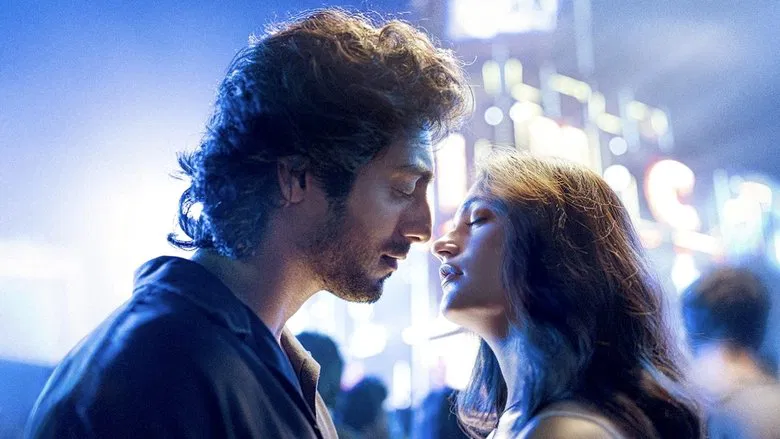
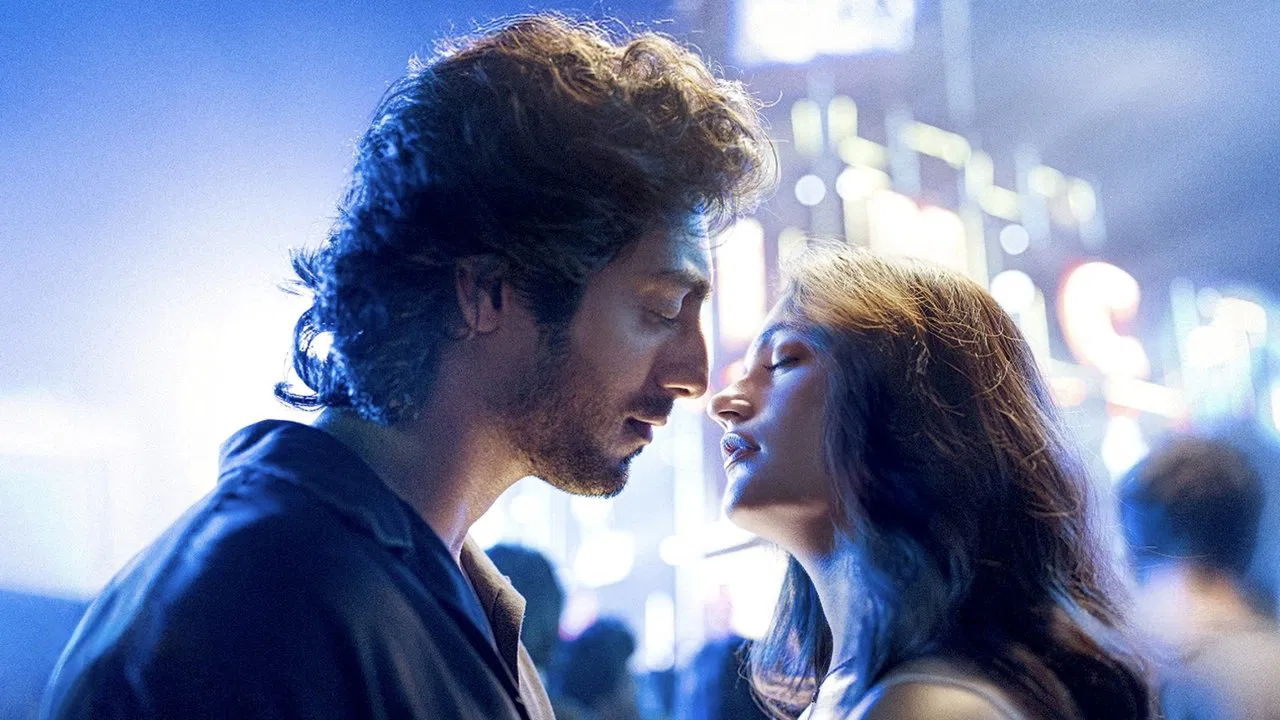
Visually, the film is a study in contrasts. Suri and his cinematographer treat the first act with the frenetic, neon-soaked energy of a music video, mirroring the chaotic internal state of Krish Kapoor (Ahaan Panday). Krish is introduced as the quintessential "tortured artist"—arrogant, volatile, and convinced that his pain is the only thing that matters. However, as the narrative shifts toward Vaani Batra (Aneet Padda) and the quiet devastation of her diagnosis, the visual language slows down. The camera lingers on small, domestic intimacies—a hand brushing against a notebook, the steam rising from a cup of tea—creating a suffocating sense of preciousness. We are watching time run out, and Suri makes us feel every second of it.
The film’s central conflict is not the external illness, but the internal dismantling of the hero’s ego. The narrative conceit—a young lyricist losing her memory just as she finds her muse—could have easily devolved into manipulative tragedy porn. Yet, the screenplay pivots the focus. It isn’t about Krish saving Vaani; it is about Vaani’s condition forcing Krish to become a person worth remembering.

Ahaan Panday’s debut is surprisingly assured, navigating the difficult transition from unlikable narcissist to desperate caregiver with a rawness that feels lived-in. But the film belongs to Aneet Padda. In a genre that often treats the dying girl as a mere plot device for the male lead’s growth, Padda infuses Vaani with a terrified, vibrating agency. One specific scene stands out: a moment in the second act where Vaani, struggling to recall the bridge of a song they wrote together, laughs off the lapse, only for the laughter to dissolve into sheer, silent panic. It is a masterclass in acting the subtext, showing us the horror of a mind erasing itself in real-time.
Musically, the film understands that in the Suri universe, songs are not interruptions but dialogue. The soundtrack, particularly the recurring motif of the title track, acts as a narrative anchor. As Vaani’s memories fade, the music remains the only language they share—a haunting reminder that while the mind may forget the lyrics, the body remembers the melody.

*Saiyaara* is flawed, certainly. The third act drags under the weight of its own weepiness, and certain plot mechanisms creak with age. Yet, there is a bravery in its emotional excess. In a digital world obsessed with the impermanence of "content" and the disposability of modern dating, Suri offers a story about the terrifying persistence of love. It asks us to consider what remains of us when the archive of our life is deleted. The answer, the film suggests, is found not in what we keep, but in who we changed.