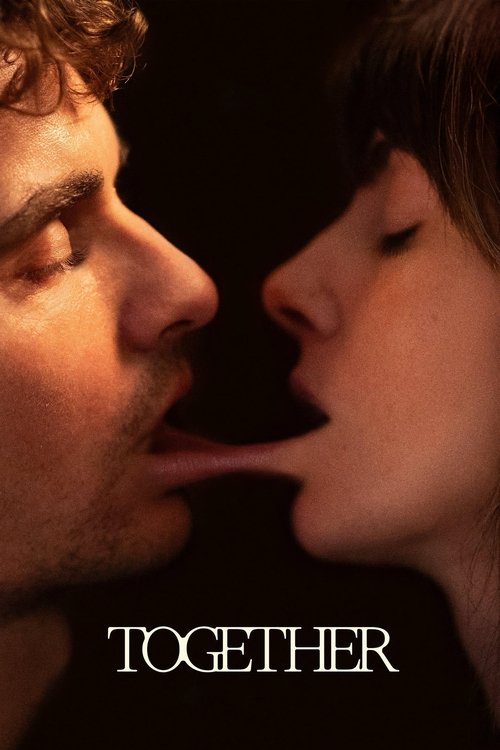
The Terror of "We"In the lexicon of romance, we are constantly bombarded with the language of assimilation. We speak of "soulmates," of "finding your other half," of two hearts beating as one. It is a comforting, if saccharine, ideal. But in Michael Shanks’ directorial debut, *Together* (2025), this romantic aspiration is stripped of its poetry and rendered as a glistening, biological threat. What happens when the metaphor of "becoming one" stops being a spiritual goal and becomes a physiological sentence? The result is a film that functions as both a grotesque body horror and a piercingly astute satire on the stagnation of long-term intimacy.
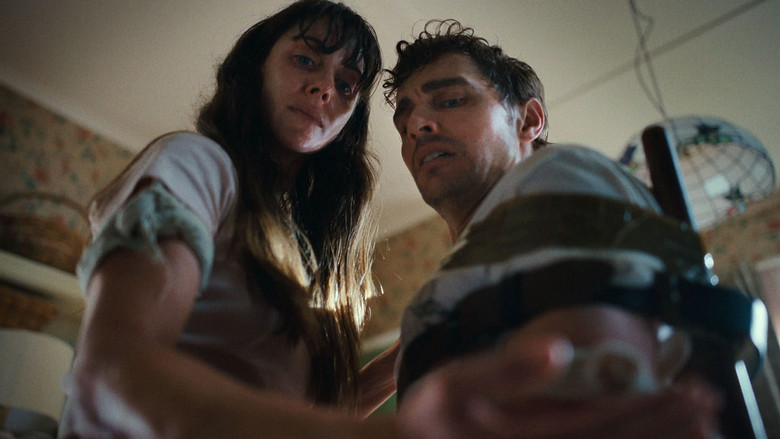
Shanks, previously known for his frenetic, effects-heavy YouTube output, transitions to feature-length cinema with a surprising command of tone. He understands that the scariest thing about a relationship isn't the screaming matches, but the quiet erosion of identity. We meet Tim (Dave Franco) and Millie (Alison Brie), a couple whose decade-long romance has calcified into a comfortable, suffocating routine. They have moved to the countryside—that classic horror trope of urbanites seeking pastoral redemption—only to find that their baggage has not only followed them but is about to manifest in their flesh.
The film’s visual language is deceptive. It begins with the warm, sun-drenched cinematography of an indie relationship dramedy, lulling the audience into a sense of mundane security. But once the couple encounters a mysterious subterranean force, Shanks deploys his background in visual effects to sickeningly tactile ends. The horror here is not shadowy or jump-scare reliant; it is wet, anatomical, and brightly lit. As Tim and Millie find their bodies inexplicably magnetizing toward one another—fingers fusing, skin grafting upon contact—the film evokes the clinical repulsion of early David Cronenberg, yet filtered through a lens of manic absurdity.
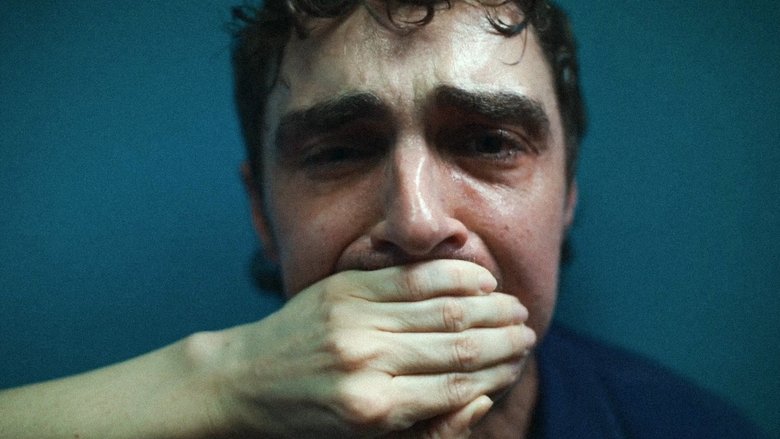
The casting of real-life spouses Franco and Brie is the film’s masterstroke. There is a lived-in quality to their bickering, a shorthand to their body language that no amount of rehearsal could fabricate. This authenticity makes the subsequent horror tragic rather than merely disgusting. We watch them struggle not just against a supernatural curse, but against the terrified realization that they are literally losing themselves to each other. The film asks a question that haunts every codependent partnership: where do I end, and where do you begin?
The narrative reaches its apex in a climax that walks a razor's edge between hilarity and profound melancholy. Without spoiling the visceral details, the use of the Spice Girls' "2 Become 1" transitions from an ironic needle drop to a terrifying anthem of surrender. It is a moment that encapsulates the film’s unique thesis: that total devotion requires a kind of suicide of the self.
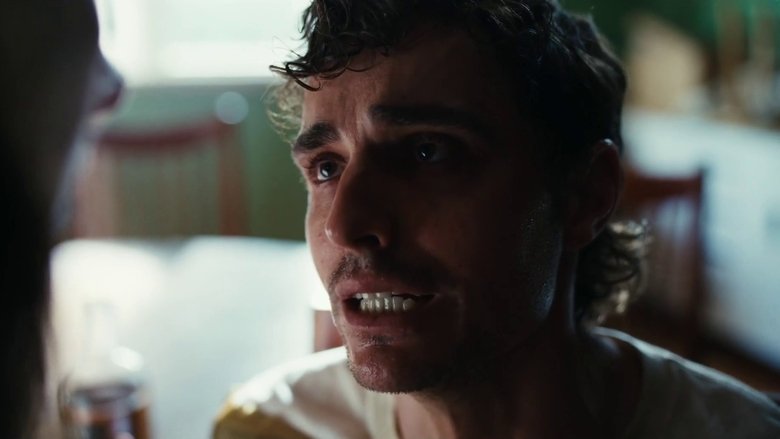
*Together* is not a film about a monster hunting a couple; the relationship *is* the monster. Shanks has crafted a modern fable that warns us against the consumption of identity that we often mistake for love. It suggests that perhaps the greatest horror isn't being alone in the dark, but being so inextricably bound to another that you can no longer remember the shape of your own soul. It is a sticky, uncomfortable, and brilliant dissection of "happily ever after."