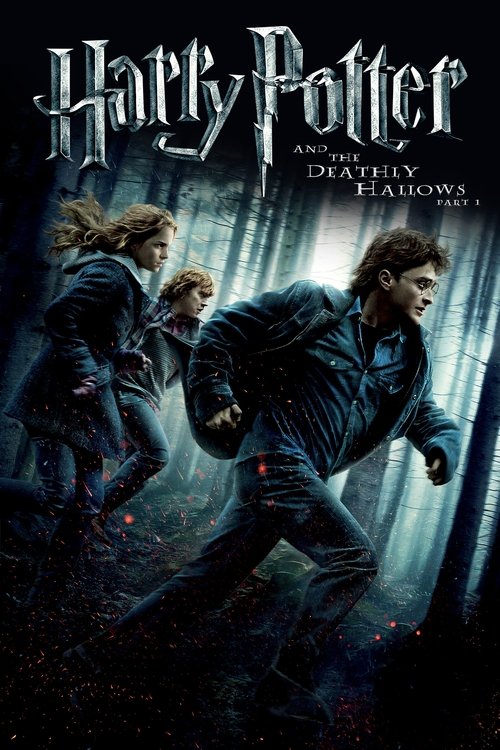
The Long Road HomeIf the early Harry Potter films were about the wonder of discovery, *Harry Potter and the Deathly Hallows: Part 1* is about the terror of loss. Director David Yates, who had been gradually dimming the lights at Hogwarts since *Order of the Phoenix*, here extinguishes them completely. By stripping away the safety net of the school, the professors, and the rules, Yates transforms a fantasy series into a war drama that feels startlingly modern. This is not a film about magic saving the day; it is a meditation on isolation, where the greatest superpower is simply the will to endure.

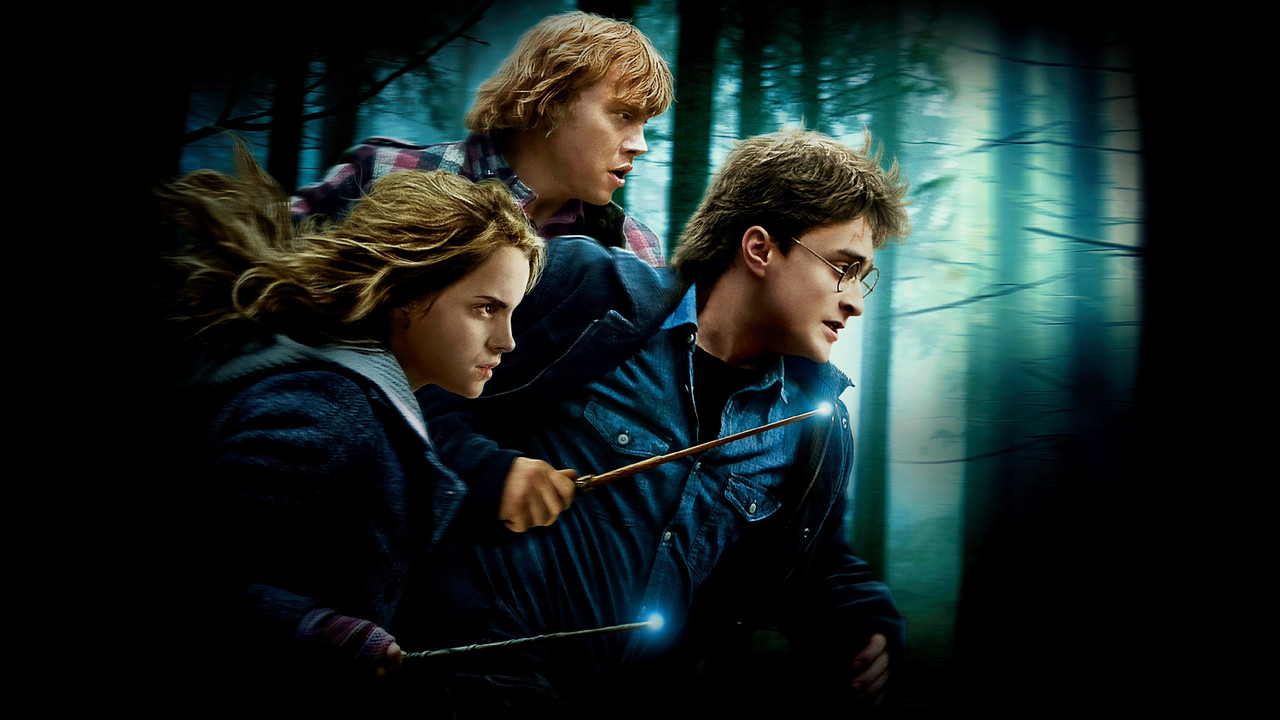
From a visual standpoint, Yates and cinematographer Eduardo Serra make a bold departure from the "magical" aesthetic of previous entries. Gone are the warm, torch-lit corridors of the castle. In their place is a harsh, desaturated reality. The camera is often handheld, nervous, and intimate, treating the wizarding war with the grit of a political thriller. The film is dominated by vast, empty landscapes—limestone pavements, snow-covered forests, and industrial wastelands—that swallow the characters whole. This visual language emphasizes the trio’s insignificance against the rising tide of fascism. The world has grown too big, and they have grown too small.
The decision to split the final book into two parts was met with cynicism in 2010, yet *Part 1* justifies its existence by allowing the narrative to breathe in a way blockbusters rarely do. The film’s middle act is essentially an existential chamber piece: three teenagers in a tent, starving, bickering, and terrified. It captures the psychological toll of being "the chosen one" when there is no one left to guide you. The horcrux locket they carry acts like a radioactive isotope, poisoning their friendship and exposing their insecurities. It is a brave choice to let a franchise known for spectacle slow down to a crawl, forcing the audience to sit in the discomfort of their silence.

However, the film’s emotional resonance is anchored by two specific deviations from the expected formula. The first is the "Tale of the Three Brothers," a sequence of shadow-puppet animation that is a masterpiece of visual storytelling. It functions as a fable within a fable, expanding the mythology without bogging down the plot. The second is the controversial, unscripted-feeling dance between Harry and Hermione to Nick Cave’s "O Children." It is a scene that exists purely for character—a fleeting moment where two child soldiers try to remember what it feels like to be teenagers. It is awkward, desperate, and profoundly moving, serving as the emotional thesis of the film: even in the apocalypse, life persists.
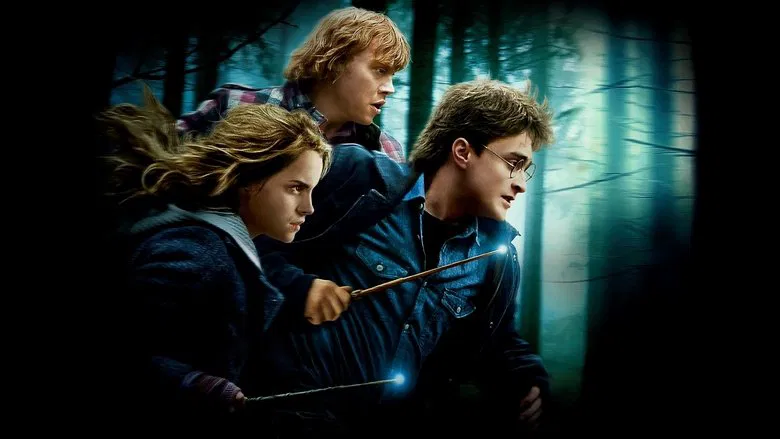
*Deathly Hallows: Part 1* is an imperfect film, occasionally suffering from pacing issues inherent to being "half" a story. Yet, it stands as the most mature entry in the saga. It respects its audience enough to abandon the whimsy of childhood for the bleak uncertainty of adulthood. It is a road movie with no destination, a war movie with no battles, and a fantasy film where the magic has run dry—leaving only three friends in the dark, hoping for morning.