✦ AI-generated review
The Burden of Belief
For half a century, Steven Spielberg has served as cinema’s primary liaison to the stars. His career is bookended by the upward gaze—from the childlike wonder of *Close Encounters of the Third Kind* to the benevolent glowing heart of *E.T.*, and later, the post-9/11 trauma of *War of the Worlds*. But the newly released footage for *Disclosure Day* suggests that the director, now approaching his eightieth year, is done looking up. He is looking inward, asking a question that is less about biology than it is about theology: if we knew the truth, could we survive it?
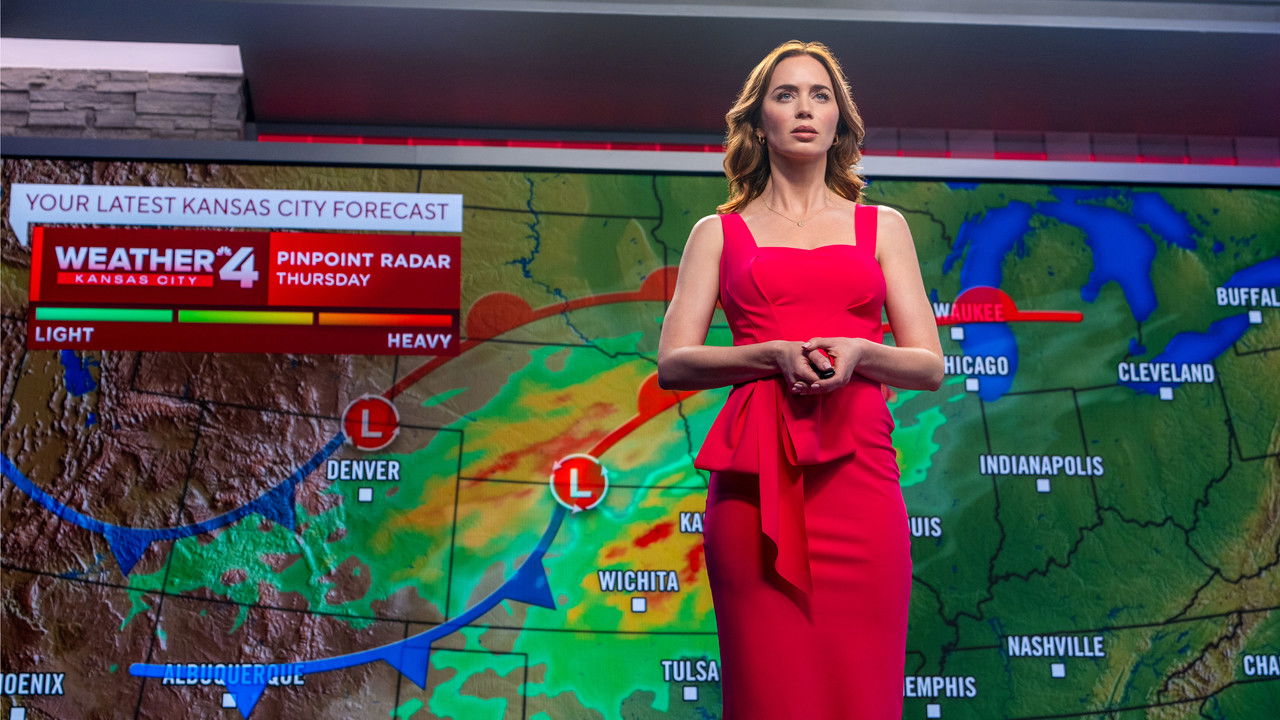
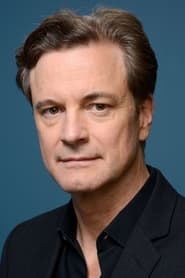
The teaser trailer, released this week to a fervor of discourse, immediately dispels the notion that this is a nostalgic victory lap. There are no bicycles silhouetted against moons here. Instead, Spielberg grounds the extraterrestrial in the terrifyingly mundane. The central sequence revealed—Emily Blunt’s meteorologist fracturing on live television, her professional cadence dissolving into a guttural, alien glossolalia—evokes a physiological horror closer to Cronenberg than the Amblin whimsy of old. It suggests that contact is not a handshake, but an infection. The visual language is suffocating; the camera lingers on Colin Firth in a medical chair, his eyes shifting in a way that implies the "alien" is no longer an invader in a ship, but a frequency rewriting the human code.
The film’s central discourse, teased by Josh O’Connor’s character, pivots on the modern concept of "disclosure." We have moved past the government conspiracy thrillers of the 1970s where the truth was a file hidden in a cabinet. In *Disclosure Day*, the truth is described as a right ("It belongs to seven billion people"), yet the film seems poised to interrogate the weight of that right. The script, penned by David Koepp, appears to wrestle with the ontological shock of contact. The chilling line delivered by a nun in the footage—“Why would He make such a vast universe, and yet save it only for us?”—reframes the alien narrative as a crisis of faith. Spielberg seems less interested in the ships themselves than in the spiritual crater they leave behind.
It is significant that Spielberg returns to this well now. In an era of algorithm-driven content and franchise fatigue, *Disclosure Day* feels like a defiant assertion of the "event film" as a communal philosophical exercise. The terror here is not that they are coming to destroy us, but that they are coming to change us, and that we might not be ready to be changed.
If *Close Encounters* was about the invitation to leave, and *E.T.* was about the pain of staying, *Disclosure Day* looks to be about the terror of finally knowing where we stand. The trailer leaves us with a sense of dread that is palpable, heavy, and undeniably human. Spielberg has spent a lifetime making us want to believe. Now, he seems ready to show us the cost of that belief.