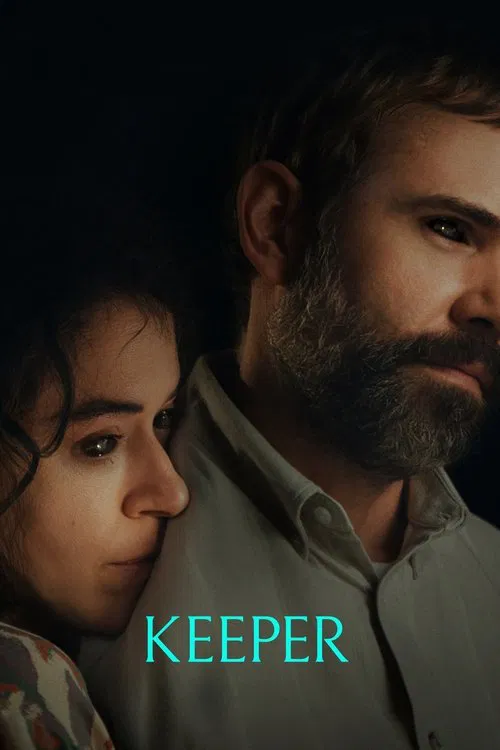
The Geometry of DreadOsgood Perkins does not build haunted houses; he builds haunted spaces between people. In *Keeper* (2025), his return to the quieter, suffocating dread of *The Blackcoat’s Daughter* after the maximalist noise of *Longlegs*, the horror is not initially found in what is lurking in the woods, but in the silence sitting at the dinner table. We are presented with a premise as worn as the cabin floorboards: a couple, Liz (Tatiana Maslany) and Malcolm (Rossif Sutherland), retreat to a secluded home for an anniversary. Yet, under Perkins’ geometric, almost clinical direction, this familiar setup feels less like a getaway and more like a specimen jar being sealed.

Visually, Perkins and cinematographer Jeremy Cox create a world where the architecture is hostile. The camera rarely moves with the fluidity of a romance; instead, it observes Liz from low angles and through doorframes, turning the viewer into a voyeur long before the narrative reveals the true nature of the watching eyes. The sound design is equally oppressive—the house groans not with ghosts, but with a wet, organic heaviness, suggesting the structure itself is a digestive system waiting to work. When Malcolm departs, leaving Liz in isolation, the film shifts from a relationship drama into a fugue state. Maslany, an actress capable of broadcasting micro-tremors of anxiety, anchors the film here. Her performance isn't just about fear; it is about the specific, gendered exhaustion of sensing something is wrong and being told—by a partner, by a house, by silence—that you are imagining it.
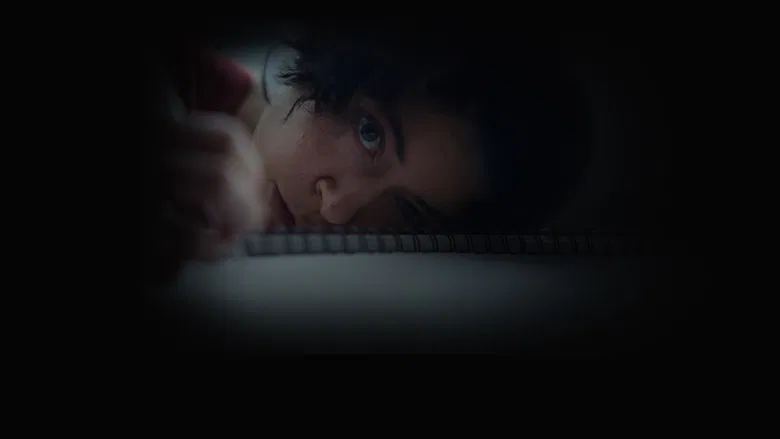
The film’s "conversation" has largely centered on its third-act revelation, a sharp turn into folk-horror mythology involving ritual sacrifice and immortality that some critics felt explained too much. However, to focus solely on the lore is to miss the film’s emotional thesis. *Keeper* is a grotesque parable about the consumption of women for male longevity—literally, in the film’s supernatural economy, but metaphorically in the way Malcolm feeds on Liz’s vitality. The scene involving the chocolate cake—a weaponized domestic offering—is particularly stomach-churning. It perverts a symbol of celebration into a tool of sedation, highlighting the film’s obsession with how care can be a mask for control.
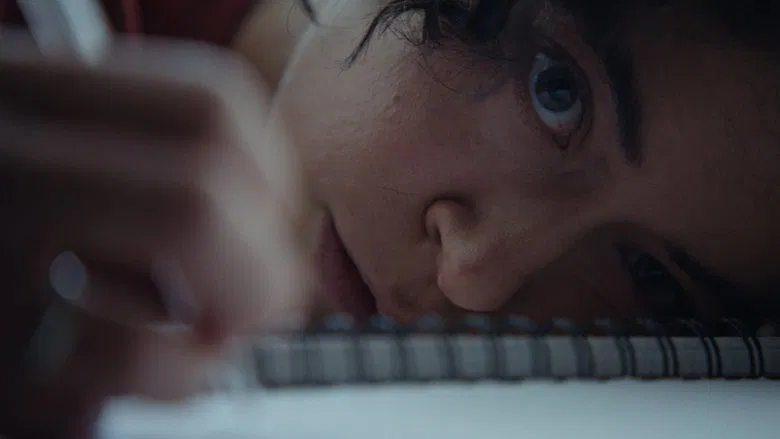
Ultimately, *Keeper* may stumble in its final expository moments, burdened by the need to clarify its own nightmare logic. Yet, its power remains in its atmosphere of inescapable fate. Perkins confirms his status not as a merchant of jump scares, but as a poet of inevitability. He understands that the scariest thing isn't a monster in the basement, but the realization that the person sleeping next to you has been the gatekeeper of your doom all along. *Keeper* is a chilling reminder that in some relationships, survival is the only available act of rebellion.