The Currency of DecayThe "dirty cop" subgenre is a crowded, often suffocating space in American cinema. It usually oscillates between the operatic tragedy of Sidney Lumet and the kinetic nihilism of David Ayer. Yet, with *The Rip*, director Joe Carnahan doesn't just revisit these tropes; he locks them in a humid, derelict Miami stash house and turns up the heat until the walls—and the men inside them—start to sweat blood. This isn’t a film about the allure of corruption; it is a chamber piece about the exhaustion of morality.
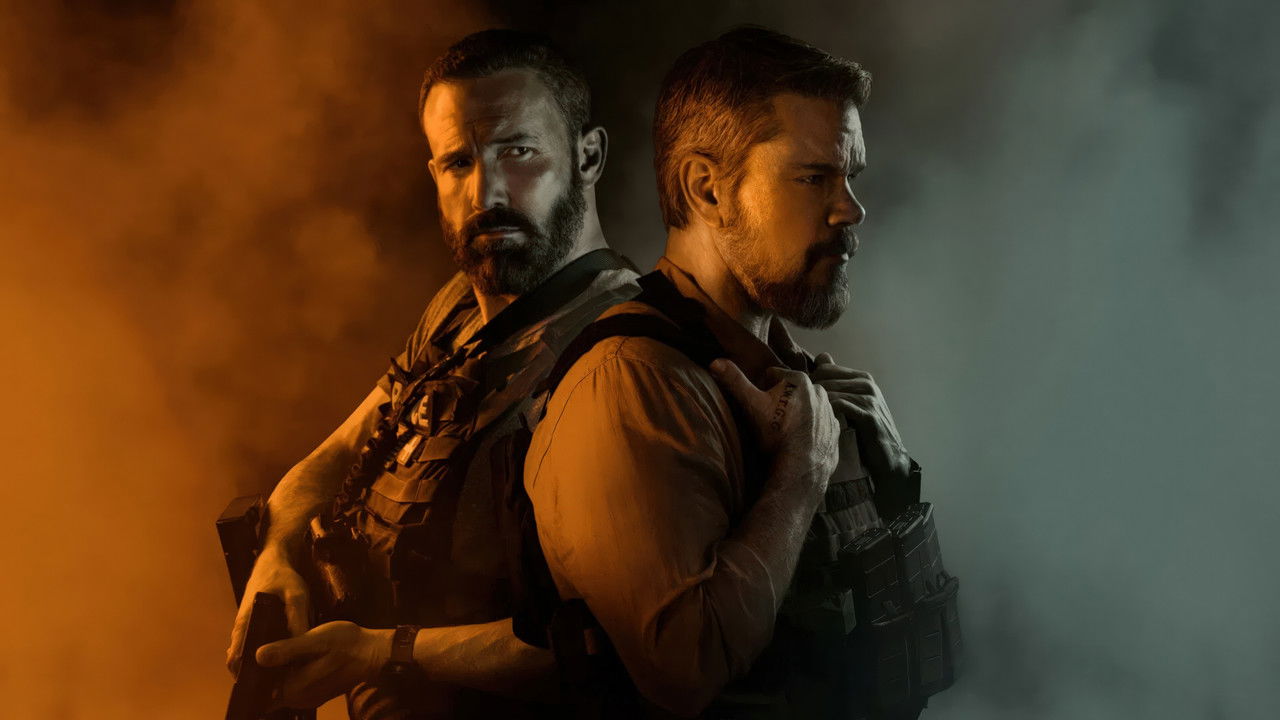
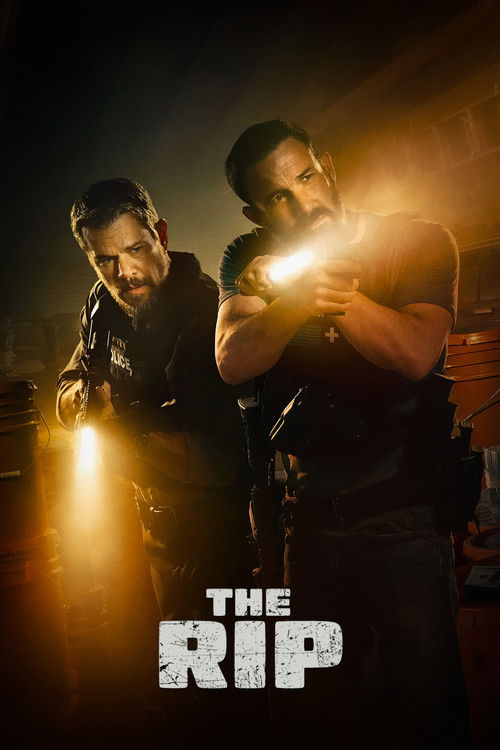
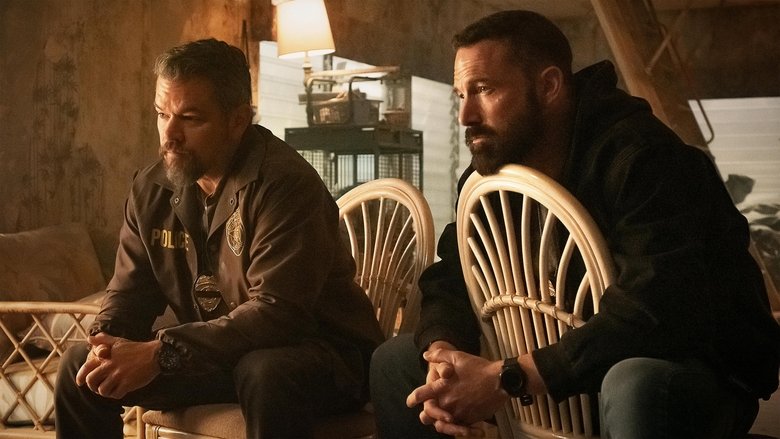
The narrative hook is deceptively simple, almost theatrical in its constraints. A specialized Miami narcotics unit, led by Lieutenant Dane Dumars (Matt Damon) and his longtime partner Sergeant J.D. Byrne (Ben Affleck), stumbles upon a staggering fortune in cartel cash. But rather than a quick snatch-and-grab, Carnahan introduces a procedural vice grip: the money must be secured and counted on-site. This bureaucratic necessity transforms the film from a sprawling chase into a claustrophobic siege. As the bills are tallied, the silence between the officers grows louder than the inevitable gunfire waiting outside.
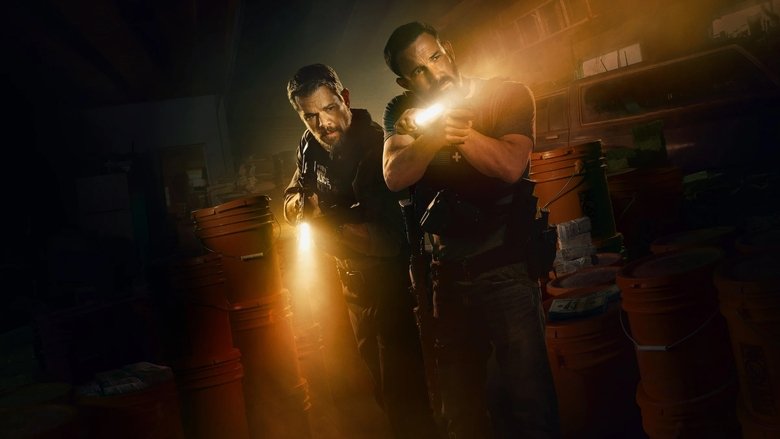
Visually, *The Rip* is an exercise in tactile discomfort. Carnahan, whose work on *Narc* and *The Grey* showcased a talent for masculine despair, strips Miami of its neon gloss. Cinematographer Juan Miguel Azpiroz captures a city that feels waterlogged and heavy. The humidity is practically a supporting character, plastering shirts to backs and making the very air feel thick with bad decisions. The "counting scene"—a sequence that could have been tedious—is filmed with the frantic precision of a bomb defusal. The rhythmic thrum of the counting machines becomes a metronome for the characters’ rising heart rates, underscoring that every dollar stacked is another inch of their souls sold.
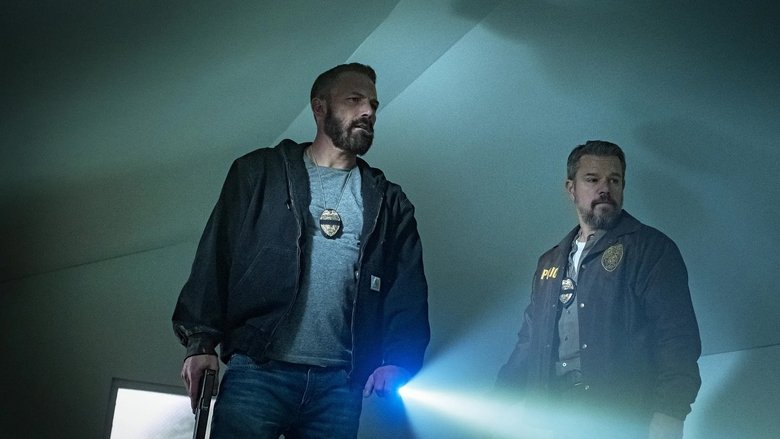
The emotional weight of the film rests squarely on the shoulders of Damon and Affleck, whose real-life history adds a haunting layer of subtext to their on-screen disintegration. This is not the buoyant camaraderie of their early career; it is a portrait of a brotherhood eroded by decades of seeing the worst in humanity. Damon plays Dumars with a coiled, quiet desperation—a man trying to justify greed as survival. Affleck, conversely, brings a volatile, wounded energy to Byrne, playing a man who realizes too late that his loyalty was invested in a bankrupt institution. Their conflict isn't just about the money; it’s about two men looking at each other and realizing they no longer recognize the person staring back.
Supporting players like Teyana Taylor and Steven Yeun add vital texture to this moral rot, proving that corruption isn't a contagion introduced by the money, but a dormant virus waiting for the right temperature to bloom.
Ultimately, *The Rip* succeeds because it refuses to glamorize the slide into darkness. There is no triumphant "getaway" fantasy here, only the grim mathematics of consequence. By limiting the scope to a single location and a single night, Carnahan forces the audience to sit in the mess these characters have made. It is a bruised, battered piece of cinema that suggests the price of the badge is often higher than the payout. In a landscape of sanitized blockbusters, *The Rip* feels dangerously, refreshingly alive.