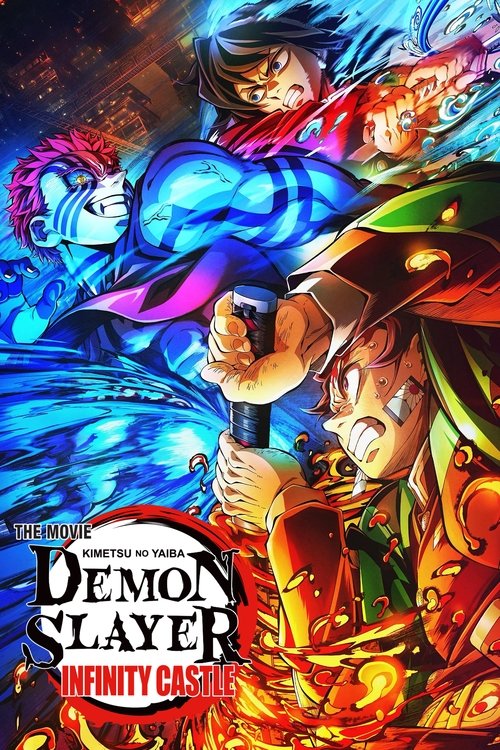
The Architecture of GriefIf architecture is frozen music, then the Infinity Castle—the extradimensional lair of the demon lord Muzan Kibutsuji—is a symphony of vertigo. In *Demon Slayer: Kimetsu no Yaiba Infinity Castle*, director Haruo Sotozaki and studio Ufotable have constructed a space that is not merely a setting, but an antagonist in itself. This film, the first in a trilogy serving as the grand finale to the saga, moves beyond the monster-of-the-week formula to present a suffocating, kaleidoscopic nightmare where gravity is a suggestion and death is a certainty.

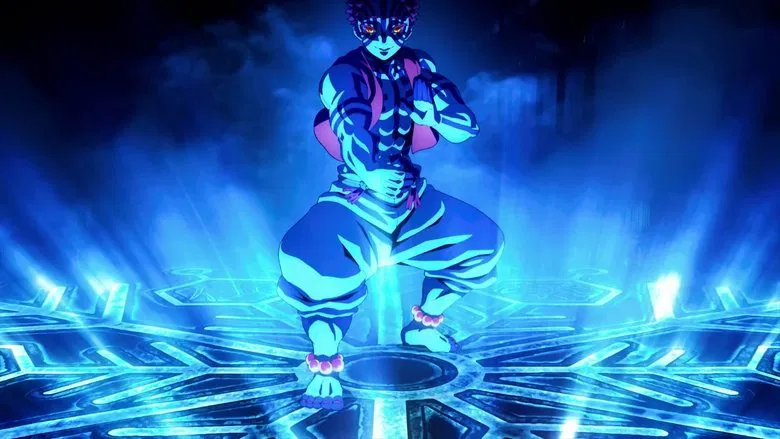
From a visual standpoint, Sotozaki creates a disorienting brilliance that feels less like traditional anime and more like a high-concept installation piece. The castle is an M.C. Escher print brought to life with the budget of a small nation. Corridors twist into spirals; doors open into voids. The camera doesn't just follow the action; it swoops and dives through the impossible geometry, mirroring the psychological unraveling of the characters. We are far past the rustic, snowy mountains of the series' beginning. The woodblock-print aesthetic of the water-breathing techniques now clashes violently against this alien, digital complexity, underscoring the central conflict: tradition and humanity struggling to survive in a cold, artificial eternity.
However, the spectacle is anchored by a profound sense of mourning. This is not an action movie; it is a funeral procession with swords. The narrative weight rests heavily on Shinobu Kocho, the Insect Hashira. Her confrontation with the demon Doma is the film's emotional centerpiece and perhaps the most devastating sequence in the franchise’s history. Doma, voiced with chilling, nihilistic cheerfulness, represents the ultimate void—a creature incapable of feeling, who consumes life to fill his own emptiness.
Shinobu’s battle is not one of strength, but of sacrificial rage. Sotozaki makes a fascinating choice here to strip away the usual shonen triumphant music. Instead, the scene is quiet, intimate, and brutal. We watch a petite woman, who has smiled through her pain for years, finally unleash the venom of her grief. It is a reminder that in this world, victory often requires self-destruction. The film forces us to witness the cost of revenge, asking if the price of destroying a monster is becoming a ghost oneself.
Crucially, the film suffers slightly from its own ambition. As the first act of a trilogy, it lacks a definitive resolution, leaving the audience suspended in mid-air much like the slayers falling through the castle's void. The pacing can feel breathless, rushing from Zenitsu's thunderous confrontation with his former peer Kaigaku to Tanjiro's desperate clash with Akaza without a moment to decompress. The emotional beats are relentless, threatening to numb the viewer through sheer intensity.

Yet, *Infinity Castle* succeeds because it understands that its battles are actually conversations about legacy. Every sword swing carries the weight of those who died previously; every technique is a desperate letter written to the future. In an era of disposable digital entertainment, Sotozaki offers a visual feast that demands to be taken seriously. It is a stunning, heart-rending opening chapter that promises the end will not just be loud, but deafeningly emotional.