✦ AI-generated review
Gravity and Grief
There is a distinct irony in the modern survival thriller: as the setting expands to the infinite—the open ocean, the vacuum of space, or, in the case of Claudio Fäh’s *Turbulence*, the azure skies above the Italian Dolomites—the narrative scope paradoxically tightens. We are not watching a film about the vastness of nature, but rather a chamber drama where the walls just happen to be invisible and the drop, fatal. Fäh, a director who has quietly carved a niche in high-concept genre cinema (most recently with *No Way Up*), understands that vertigo is not merely a physical sensation, but an emotional one. In *Turbulence*, the altitude is dizzying, but it is the plummeting weight of a failing marriage that truly generates the G-force.
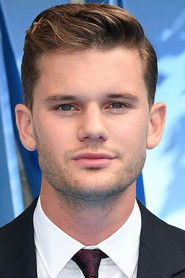
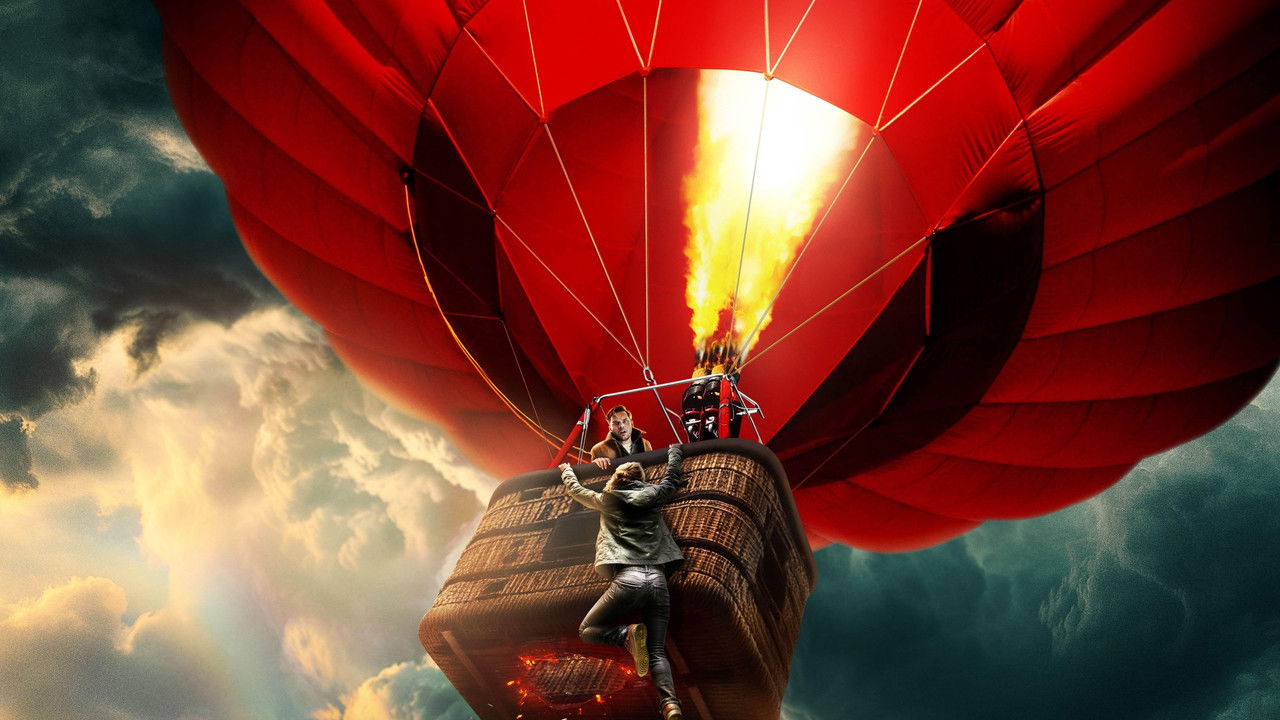
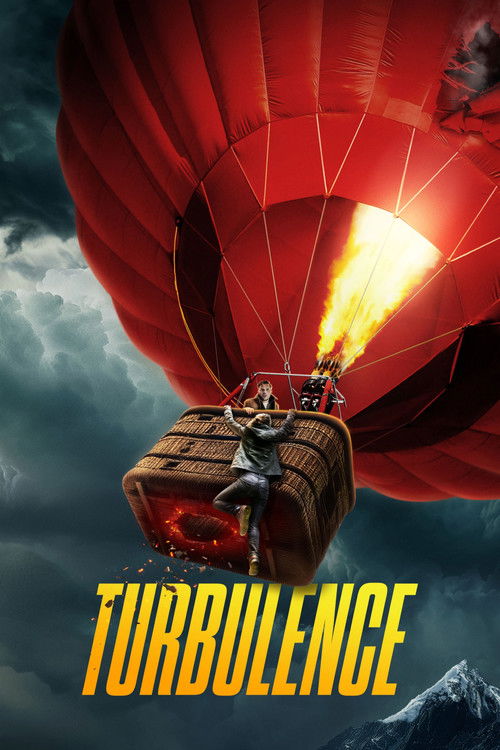
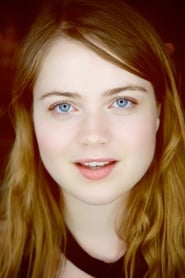
The premise is deceptively simple, bordering on the theatrical. Zach (Jeremy Irvine) and Emmy (Hera Hilmar) are a couple seeking to stitch a wounded relationship back together with a luxury hot air balloon ride. They are joined by the pilot, Harry (a wonderfully gravelly Kelsey Grammer, who lends a necessary gravitas to the absurdity), and an unexpected third passenger, Julia (Olga Kurylenko). What follows is not a disaster born of mere mechanical failure, but of human sabotage.
Fäh’s visual language here is fascinatingly bifurcated. On one hand, we are treated to the sweeping, majestic indifference of the Dolomites—a landscape that cares nothing for the petty squabbles of the humans drifting above it. On the other, the director forces us into the wicker basket, a space smaller than a prison cell. Critics may point to the occasional digital artifice of the green-screen work, yet this slight unreality inadvertently serves the film’s thematic core: the characters are suspended in a manufactured situation, trapped in a "romantic" gesture that is as fragile and constructed as the visual effects themselves. The gloss of the high-altitude sunlight belies the ugliness festering in the basket.
The film distinguishes itself from recent predecessors like *Fall* by prioritizing the psychological over the visceral. While there are requisite moments of white-knuckle suspension—a climb along the balloon’s rigging is particularly harrowing—the true violence is interpersonal. Kurylenko’s Julia is not just a plot device to induce peril; she is the manifestation of Zach’s past transgressions, a "harpy" in the classical sense, sent to punish. The script allows the tension to simmer in the dialogue before the physical stakes escalate. The basket becomes a crucible where truth is the only currency left; at five thousand meters, lies literally have nowhere to hide.
Jeremy Irvine and Hera Hilmar do the heavy lifting of grounding this high-concept flight. Hilmar, in particular, imbues Emmy with a resilience that feels earned rather than scripted. She plays a woman dealing with the grief of a miscarriage—a silent, internal "turbulence" that the film handles with surprising sensitivity amidst the chaos. Her survival instinct is not just about not dying; it is about refusing to let her grief be the final note of her life.
Ultimately, *Turbulence* transcends its B-movie trappings by asking a fundamental question about human connection: when the ground is removed beneath our feet, who do we reach for? Fäh suggests that the scariest part of the journey isn't the fall, but the realization of who is standing next to you when the burner goes out. It is a taut, suffocating study of intimacy in freefall, proving that sometimes, the most dangerous place on earth is simply being trapped with the consequences of your own choices.