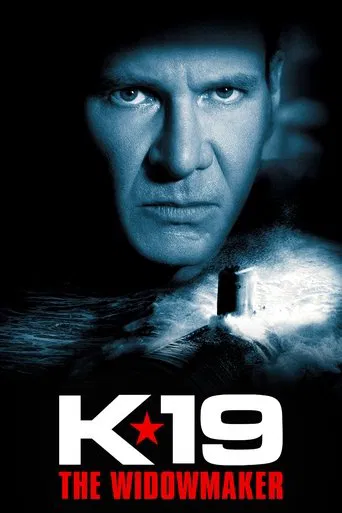
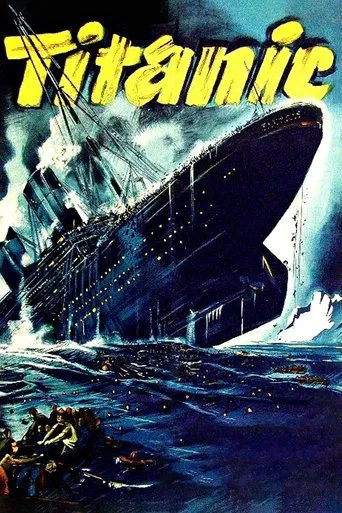
The Weight of SilenceThere is a particular kind of quiet that descends upon a theater—or in this case, a living room—when the ending is already written in the history books. We know the Titan submersible will not return from its dive to the Titanic wreckage. We know the five souls aboard are doomed. Yet, in Mark Monroe’s *Titan: The OceanGate Submersible Disaster*, the horror lies not in the final implosion, which occurs with the blink-and-you’ll-miss-it mercy of physics, but in the long, noisy prelude of human ego that made the silence inevitable. Monroe, a filmmaker who has long served as the narrative architect behind polished documentaries like *The Cove* and *Icarus*, here turns his lens on a tragedy that feels less like an accident and more like a Greek tragedy staged in a strip mall industrial park.

Visually, the documentary operates in a space of claustrophobic contrast. Monroe juxtaposes the ethereal, almost holy footage of the Titanic wreck—ghostly rusticles and the eternal dark of the Atlantic—with the banality of OceanGate’s operations. The film’s aesthetic language is one of foreboding industrialism; we see carbon fiber spools winding like ticking clocks and handheld footage of test dives where the lighting is harsh, uncinematic, and terrifyingly real.
The sound design deserves specific mention. Rather than relying solely on a mournful score, the film weaponizes the actual audio captured during testing—the sickening *crackle* and *pop* of the carbon fiber hull under pressure. It is a sound that instinctively triggers a fight-or-flight response in the viewer, a mechanical groan that screams "wrong." When we hear Stockton Rush, the company’s CEO, dismiss these sounds as the hull "seasoning," the dissonance between the auditory warning and the human denial creates a tension that is physically difficult to endure.
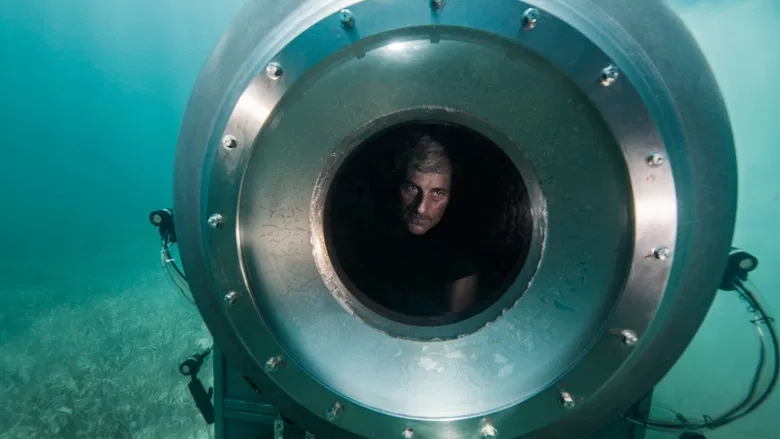
At its heart, this is a character study of a man who mistook recklessness for innovation. The documentary resists the urge to turn Rush into a cartoon villain, which makes him all the more dangerous. He is presented as charismatic, driven, and fundamentally unable to distinguish between the rules of bureaucracy and the laws of physics.
The most devastating scenes are not the recreations of the dive, but the archival Zoom calls and boardroom meetings where warnings are met with condescension. We watch David Lochridge, the whistleblowing marine operations director, pleading for safety protocols, only to be crushed by the machinery of corporate ego. These moments transform the film from a technical breakdown into a damning indictment of a specific strain of modern "disruption" culture—the belief that move-fast-and-break-things applies as much to deep-sea physics as it does to software coding.

Ultimately, *Titan* serves as a grim companion piece to the ship it sought to visit. Just as the Titanic was a monument to Edwardian hubris, the Titan becomes a tomb for 21st-century arrogance. Monroe’s film suggests that the ocean is not a frontier to be "conquered" by cost-cutting and sheer will, but a sovereign territory that demands a respect OceanGate refused to pay. The documentary does not need to sensationalize the tragedy; the facts, laid out with cold, forensic precision, are haunting enough. It leaves us staring into the abyss, reminded that nature does not sign non-disclosure agreements.