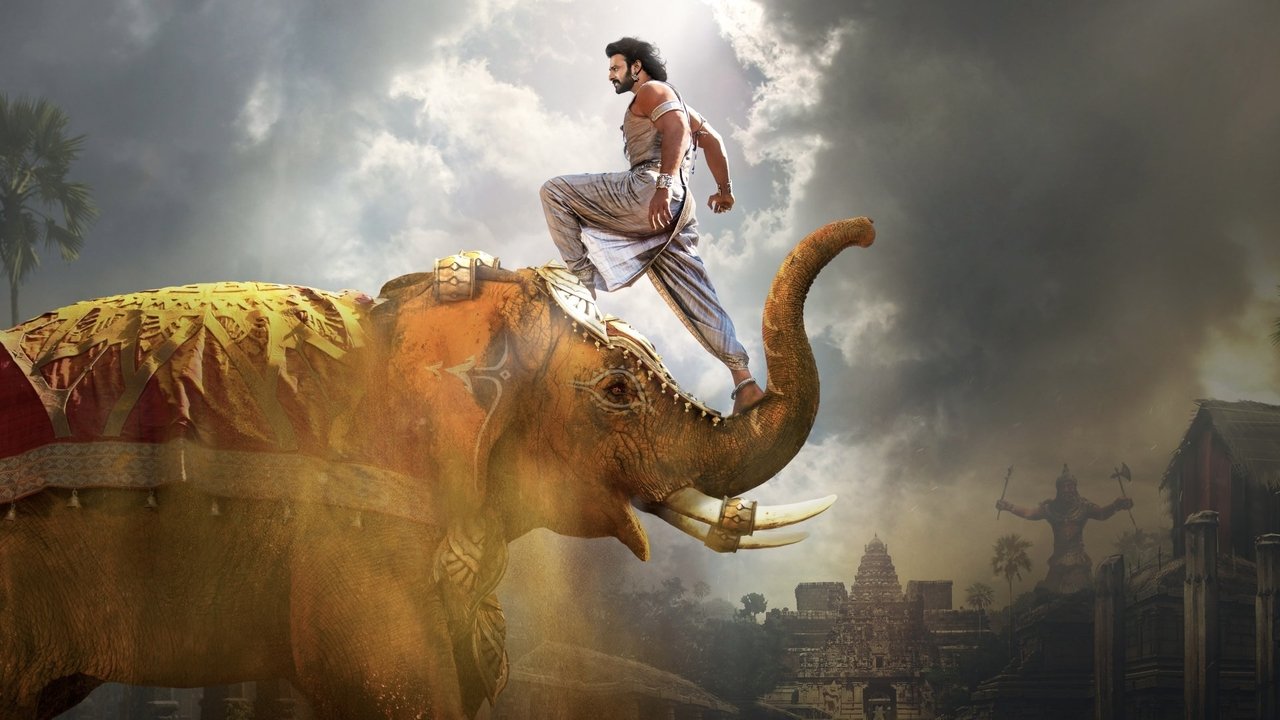
The Architecture of AweTen years ago, S.S. Rajamouli did not just release a film; he resurrected the concept of the Indian monomyth for a global audience. The *Bāhubali* duology was a sprawling, gravity-defying opera that required two distinct chapters to contain its sheer narrative density. Now, arriving on the decennial anniversary, we are presented with *Bāhubali: The Epic*—a four-hour, remastered director’s cut that attempts to suture *The Beginning* and *The Conclusion* into a single, seamless hemorrhage of spectacle. The result is a fascinating, if slightly breathless, experiment in myth-making. It asks a potent question: When you condense a saga, do you distill its essence, or do you merely accelerate its heartbeat until it becomes arrhythmia?
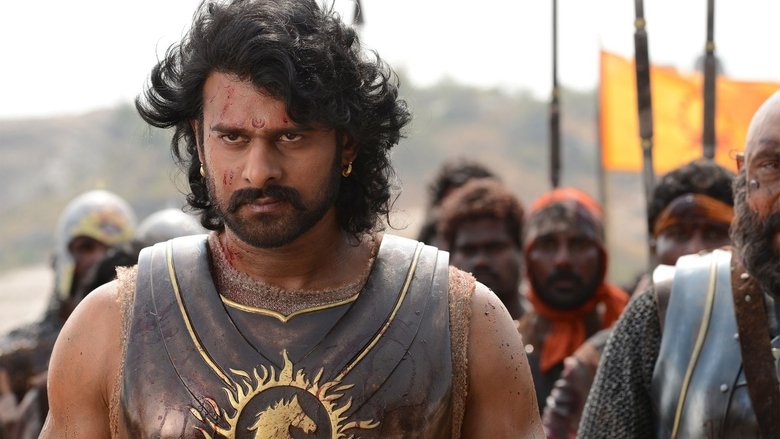
Visually, the remastering effort is undeniably muscular. Rajamouli has always painted with the bold, primary colors of a comic book deity, but *The Epic* sharpens the edges of this digital grandeur. The waterfall sequence—Sivudu’s ascent toward destiny—feels wetter, more perilous, and more textured in this iteration. The sound design, remixed for contemporary Dolby Atmos systems, turns the thundering hooves of the Kalakeya army into a physical assault on the audience. There is a tactile improvement here; the gold of Mahishmati shines with a more sinister luster, and the grime of the slave quarters feels heavier. Rajamouli operates in the vernacular of the "impossible shot," and in this format, those shots are given a terrifying clarity.

However, the structural integrity of this "single-film" ambitiousness is where the cracks appear. By shaving off nearly eighty minutes of footage to fit a theatrical runtime, *The Epic* sacrifices the patient, pastoral exhales that made the original films resonant. We lose the connective tissue of Sivudu’s early tribal life, the slow-burn realization of his lineage. In the original duology, the intermission was not just a bathroom break; it was a narrative fulcrum, a moment to sit with the cliffhanger of Kattappa’s betrayal. Here, that revelation is a speed bump in a race toward the climax. The emotional beats of Amarendra’s romance with Devasena, usually the melodramatic anchor of the story, feel hurried. We are watching the highlight reel of a life rather than living through the tragedy of it.
Ultimately, *Bāhubali: The Epic* is a triumph of technical will, but it is perhaps a cautionary tale about the consumption of art in the streaming age. Rajamouli has streamlined a saga that was never meant to be aerodynamic. The performance of Prabhas, shifting between the naive son and the stoic father, remains the film’s gravitational center, yet he is given less room to breathe between sword swings. This version is a relentless assault of adrenaline—a "greatest hits" compilation of a band that was better known for its concept albums. It is magnificent to look at, but one misses the pauses between the thunderclaps.