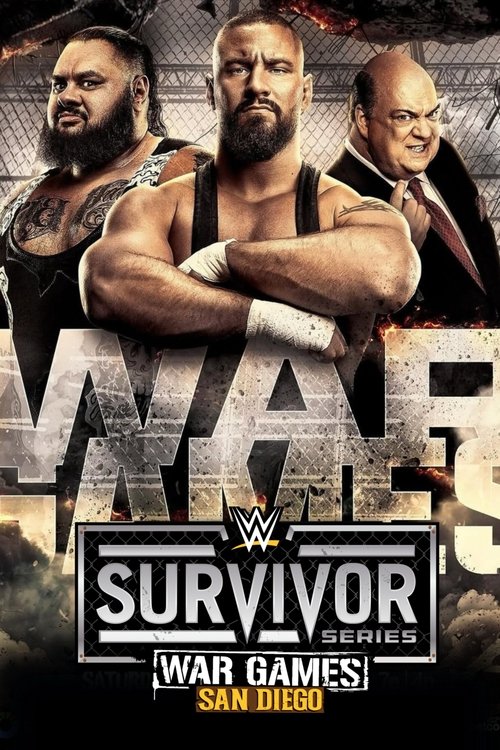
The End of the Era of HeroesIf professional wrestling is a mirror held up to the American id, then *Survivor Series: WarGames 2025* suggests a reflection that is fracturing, complex, and thrillingly cynical. Staged under the open sky of San Diego’s Petco Park, the event felt less like a sporting contest and more like the final act of a Greek tragedy where the old gods are finally, brutally usurped. The night did not merely offer violence; it offered a changing of the guard, executed with a narrative precision that transformed the spectacle into a meditation on legacy, betrayal, and the inevitable passage of time.
The visual language of the evening was defined by the cage itself—the double-ringed WarGames structure. In previous years, this cage was a playground. Here, under the direction of the production team, it felt like a crucible. The absence of a roof allowed the California night to swallow the arena, making the combatants look small, almost desperate, against the vastness of the stadium.

The Women’s WarGames match established the night's thesis: the past is a weapon. The return of AJ Lee—a figure who predates the current "Revolution"—served as the emotional anchor. Seeing her lock the Black Widow on Becky Lynch wasn't just a submission hold; it was a meta-textual conversation between two generations of disruptors. However, the match’s true brilliance lay in its chaos. The image of Iyo Sky, encased in a trash can, hurtling from the top of the cage in a suicidal Swanton Bomb, was the night's most arresting visual. It captured the desperate beauty of modern wrestling—a willingness to destroy oneself for the sake of the moment.
Yet, the emotional crater of the evening was found in the Intercontinental Championship bout. To watch John Cena in 2025 is to watch a monument erode in real-time. He moved with a heavy, deliberate grace, a lion in winter trying to fend off the hyenas. His opponent, Dominik Mysterio, is perhaps the most effective villain working in the medium today because he rejects the "cool heel" archetype. He is petty, cowardly, and ungrateful.
The storytelling here was masterful in its cruelty. Cena, fighting in his final Premium Live Event match, seemed on the verge of a storybook defense. But the narrative refused to grant us the comfort of nostalgia. The return of Liv Morgan to assist Mysterio was a twist of Shakespearean malice. By having Cena lose not to a titan, but to the opportunistic interference of a reconstituted "Judgment Day," the film (for this broadcast is surely a film) denied the audience a clean catharsis. It forced us to sit with the discomfort of a hero dying not in a blaze of glory, but in a trap set by the young and hungry.
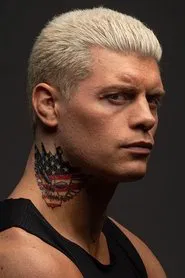
The main event, the Men’s WarGames match, descended into a brutalist painting of blood and betrayal. The "Vision" team (led by the terrifying physical presence of Bron Breakker and Bronson Reed) clashing with the chaotic alliance of CM Punk, Cody Rhodes, and Roman Reigns felt like a war for the soul of the company. The friction between Reigns and Rhodes—former enemies forced into a fragile truce—simmered with a tension that eclipsed the actual moves. When the mask finally slipped and the infighting began, it was a reminder that in this universe, alliances are temporary, but ego is eternal.
Ultimately, *Survivor Series: WarGames 2025* was not about who survived. It was about who we are becoming. It dismantled the clean lines of heroism that defined the previous decade, replacing them with a messier, darker, and infinitely more compelling reality. The heroes didn't ride off into the sunset; they were dragged down into the steel, leaving the audience to wonder if the villains had been the protagonists all along.