✦ AI-generated review
The Promethean Workshop
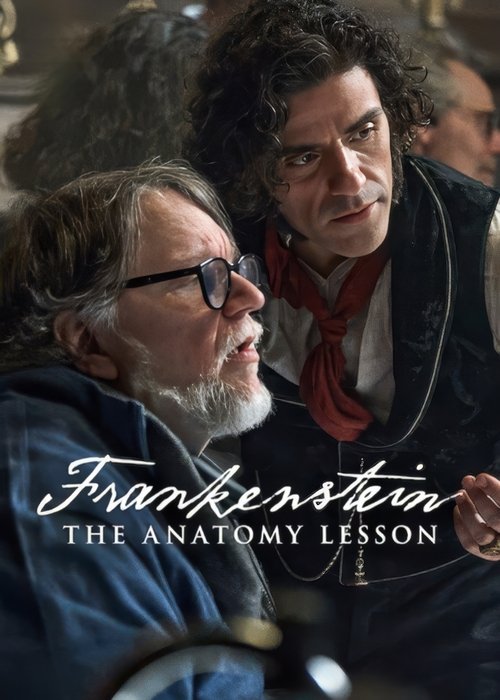
In the modern cinematic landscape, the "making-of" documentary has largely devolved into a promotional reel of breathless actors praising their director and soundbites designed for social media algorithms. However, *Frankenstein: The Anatomy Lesson* (2025) operates as something far more substantial. It is not merely a companion piece to Guillermo del Toro’s Gothic epic; it is a manifesto on the tactile soul of filmmaking. If Victor Frankenstein’s tragedy was his inability to love the flesh he stitched together, this documentary reveals del Toro as his antithesis: a creator deeply, obsessionally in love with the physical act of birthing a monster.
The documentary frames the production not as a technical exercise, but as an emotional endurance test. We are accustomed to hearing about "movie magic," but *The Anatomy Lesson* strips away that varnish to show the sweat and sawdust. The centerpiece of this discourse is the revelation of the "maxitures"—massive, 1:40 scale models of the film's Gothic architecture. Here, the documentary captures a fascinating friction between old-world artistry and modern innovation. We watch as del Toro and his team utilize 3D printing not to replace the handmade, but to amplify it, creating a suffocatingly detailed reality that green screens simply cannot replicate. The camera lingers on these structures with the same reverence the main film applies to the Creature’s scars, reinforcing the director’s lifelong thesis that the environment is a character with its own respiratory system.
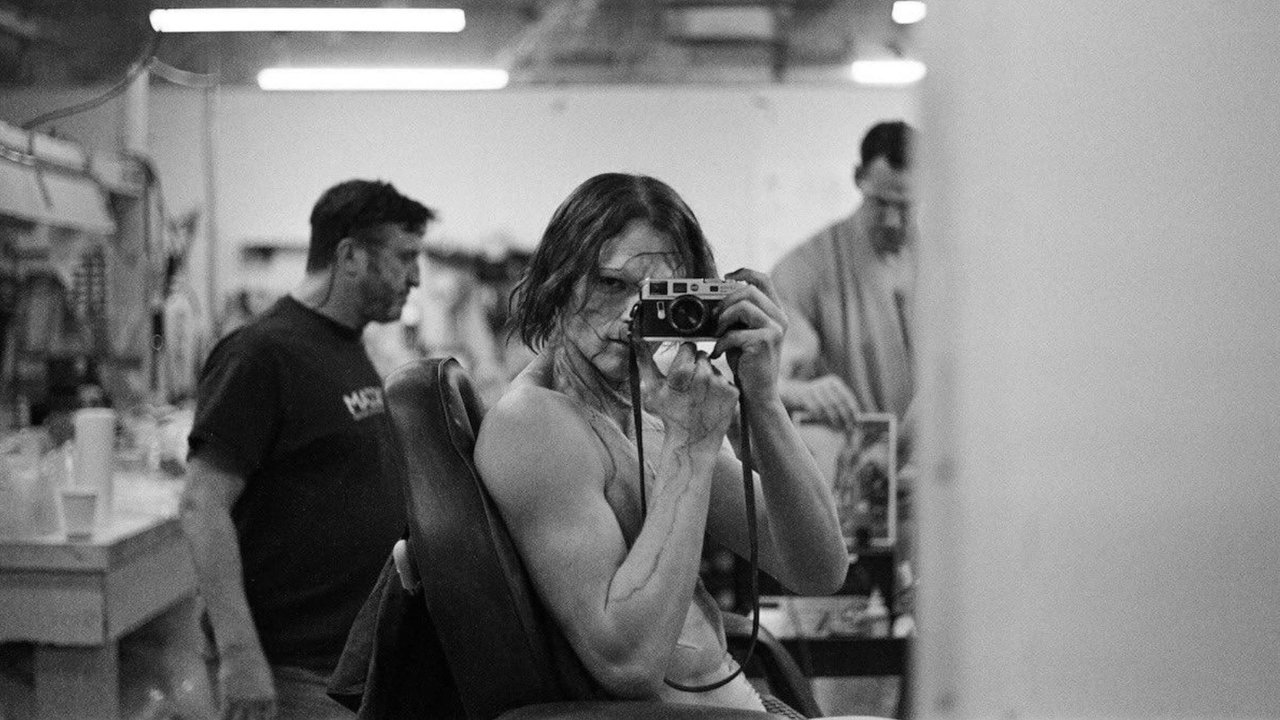
Where the documentary truly transcends its format, however, is in its dissection of performance through the lens of physical transformation. The coverage of Jacob Elordi’s metamorphosis is harrowing. We are not just told about the 11-hour makeup sessions; we witness the claustrophobic reality of them. The documentary posits that this physical burden is essential to the performance—that the exhaustion and the weight of the prosthetics inform the Creature’s halting, painful movement. It is a profound look at acting as a form of suffering, suggesting that to play a being rejected by the world, one must first be uncomfortable in one’s own skin.
A pivotal segment analyzes the "glove scene," where Mia Goth’s Elizabeth first encounters the Creature. The documentary deconstructs this moment as a "ballet of silence." We see del Toro directing the scene not as a horror set-piece, but as a romantic tragedy, instructing Goth to play the discovery with wonder rather than revulsion. The behind-the-scenes footage reveals the meticulous calibration of frame rates—shooting at 36 frames per second and playing it back at 20—to create a subliminal, twitchy nervousness in the image. This technical insight elevates our understanding of the main film, proving that the unease we feel as viewers is a result of mathematical precision, not happy accidents.
Ultimately, *Frankenstein: The Anatomy Lesson* serves as a defense of the "monstrous" scale of cinema in an era of streaming efficiency. It argues that the texture of a coat, the grain of a set, and the practical application of light on a silicone face matter. It paints Guillermo del Toro not just as a director, but as a kindred spirit to the Promethean doctor himself—a man willing to defy the laws of modern efficiency to breathe life into something dead, demanding we look it in the eye and recognize its soul.