The Golden CageIn the collective imagination, Monaco is not a place; it is a state of being. It is a sun-drenched fortress where the tax-free air is perfumed with jasmine and old money, a hermetically sealed jewel box where nothing ugly is supposed to happen. *Murder in Monaco*, the new documentary from director Hodges Usry, shatters this vitrine with a sledgehammer. While on the surface a true-crime procedural about the 1999 death of billionaire banker Edmond Safra, the film functions more profoundly as a study of paranoia—a chilling examination of how the walls we build to keep the world out ultimately become the walls that keep us in.
Usry’s visual language is a study in jarring contrasts, effectively creating a sense of dissonance that permeates the narrative. He juxtaposes the sterile, high-definition gloss of modern-day Monte Carlo—shot with the sweeping, detached elegance of a drone—against the grainy, chaotic archival footage of the night of the fire.
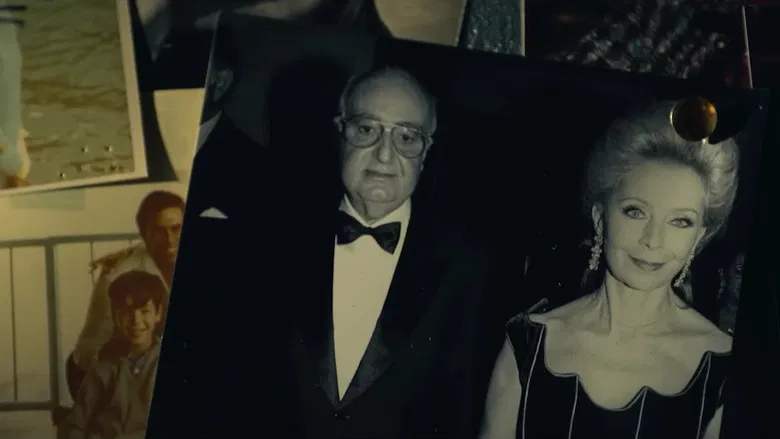
The effect is disorienting. The present-day footage feels almost too clean, a facade of impregnable wealth, while the past bleeds through in low-resolution bursts of panic and blue siren lights. This aesthetic choice reinforces the film's central thesis: that beneath the manicured hedges and marble floors lies a chaotic, uncontrollable human element that no amount of security can suppress. The penthouse itself, described as a bunker capable of withstanding a siege, becomes a tomb not because of a failure of steel, but a failure of trust.
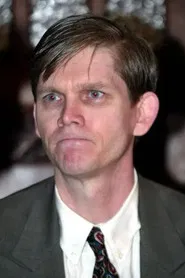
At the center of this tragedy is Ted Maher, the American nurse whose voice guides much of the film. Usry makes the controversial decision to center Maher’s perspective, allowing the convicted arsonist to narrate his own descent. It is a risky directorial gamble. Maher, with his shifting stories and "hero syndrome" complex, is an unreliable narrator of Shakespearean proportions. We watch him not as a villain or a victim, but as a man desperately trying to write himself into a story that has no place for him. His desire to be the savior—to stage an intrusion so he could "rescue" his employer—speaks to a pathetic, deeply human need for validation that turned fatal.
However, the film’s true emotional weight lies in the absence of Edmond Safra. The billionaire is often discussed as an asset or a target, but Usry manages to retrieve his humanity in the final act. We are reminded that Safra, terrified and suffering from Parkinson’s, died not because the fire reached him immediately, but because his paranoia—fed by a life of looking over his shoulder—prevented him from opening the door to his rescuers.
The tragedy is Greek in its irony: the very mechanisms designed to preserve his life were the instruments of his death. The "secure room" became a coffin.
*Murder in Monaco* ultimately transcends the "did he or didn't he" tropes of the genre. It suggests that in a world defined by absolute control, the most dangerous variable is human error. Usry has crafted a sleek, disturbing film that leaves the viewer with a lingering, claustrophobic question: when you lock the world out, who are you locking yourself in with?