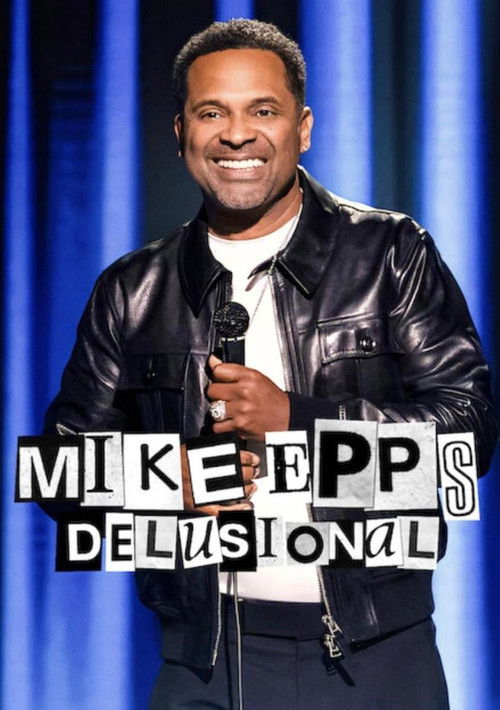
The Architecture of HustleThere comes a moment in every veteran comedian’s career when the hunger of the climb is replaced by the comfort of the summit. The tension that once fueled their act—the desperate need to be heard—often dissipates, leaving them to rely on legacy rather than observation. However, in *Mike Epps: Delusional*, the Indianapolis native argues that the climb never really ends; it just changes terrain. Released as his fifth Netflix special and arriving on the heels of his sitcom success in *The Upshaws*, this 2026 hour-long set attempts to bridge the gap between the raw, street-corner philosopher of the *Def Comedy Jam* era and the polished Hollywood survivor he has become.

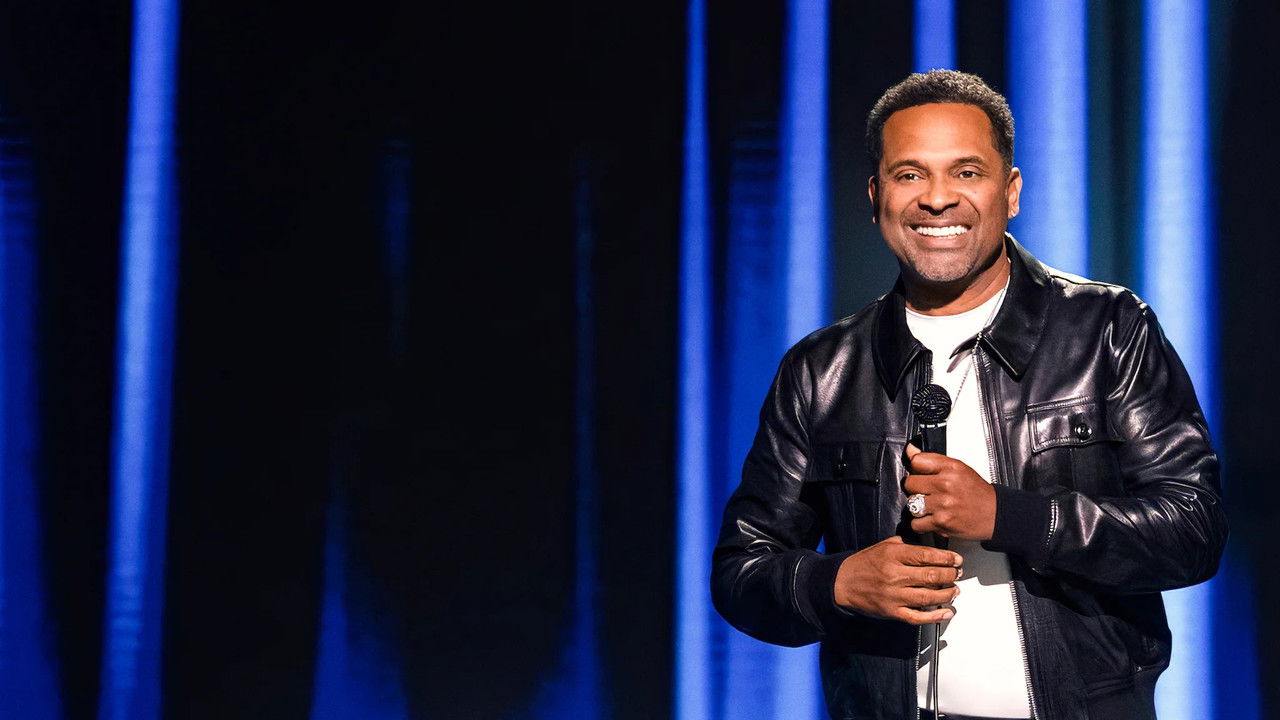
Directed by fellow comedian Royale Watkins, the special eschews the hyper-cinematic, documentary-style interludes that have plagued recent comedy releases. Watkins understands that Epps is a physical comedian, a performer whose face is as elastic as his morality tales. The camera work is utilitarian but effective, framing Epps in a way that highlights his frenetic energy. There are no distracting cutaways or experimental angles here; the visual language is strictly service-oriented. The stage design—often a trap for specials that try too hard to be "events"—is stripped back, focusing the audience's attention entirely on the man in the spotlight. This simplicity allows Epps’s physicality, specifically his signature facial contortions and microphone handling, to dictate the rhythm of the room.
At the heart of the special is the titular thesis: that success requires a certain level of insanity. Epps uses "delusion" not as a pejorative, but as a survival mechanism. He dives into his past, revisiting his time in the Marion County Jail not for cheap shock value, but to illustrate the mental gymnastics required to envision a future while staring at cinder blocks. It is in these autobiographical pockets that the special finds its emotional footing. When he speaks of the "hustle," he strips away the glamour, presenting it as a terrifying necessity rather than a cool lifestyle choice.
However, the special is not without its friction. Epps operates in a comedic mode that feels increasingly defiant of modern sensibilities. His material on relationships, gender dynamics, and "political" observations—including bits on ICE and contemporary figures like Diddy—has sparked discourse regarding the line between "unfiltered truth" and "stale stereotypes." For some, this is Epps refusing to sanitize his worldview; for others, it represents a refusal to evolve. The special sits uncomfortably in this divide, oscillating between profound vulnerability about his own flaws and broad, somewhat dated generalizations about the world around him.
Ultimately, *Delusional* is a portrait of endurance. It is less about the jokes themselves and more about the man telling them—a survivor who has laughed his way through incarceration, poverty, and Hollywood's fickleness. While it may not break new technical ground or redefine the genre, it serves as a testament to the power of self-belief. Mike Epps remains a singular voice, one that reminds us that sometimes, you have to be crazy enough to believe you matter before the world agrees with you.