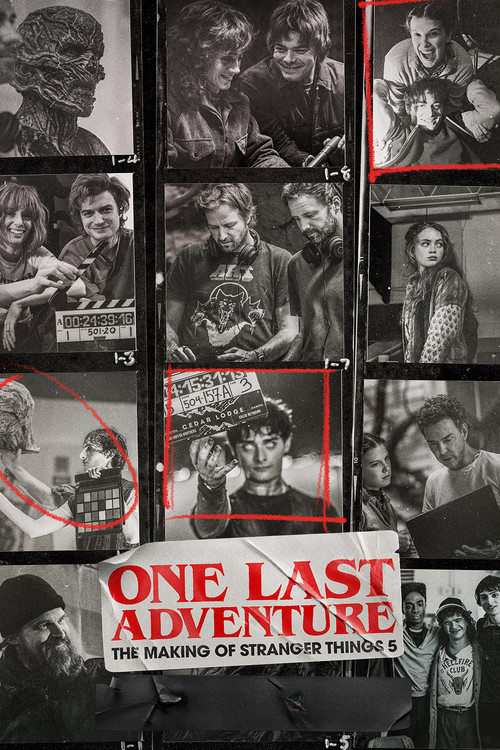
The Architecture of FarewellIn the age of algorithmic streaming, where shows often vanish into the digital ether the moment their credits roll, *Stranger Things* was an anomaly—a monocultural monolith that demanded we not just watch, but witness. With the release of *One Last Adventure: The Making of Stranger Things 5*, director Martina Radwan offers something rarer still: a documentary that functions less as a promotional victory lap and more as a poignant eulogy for a decade of shared adolescence. It is a work that understands that the true special effect of the Duffer Brothers' saga was never the Demogorgon, but the ruthless, linear passage of time.
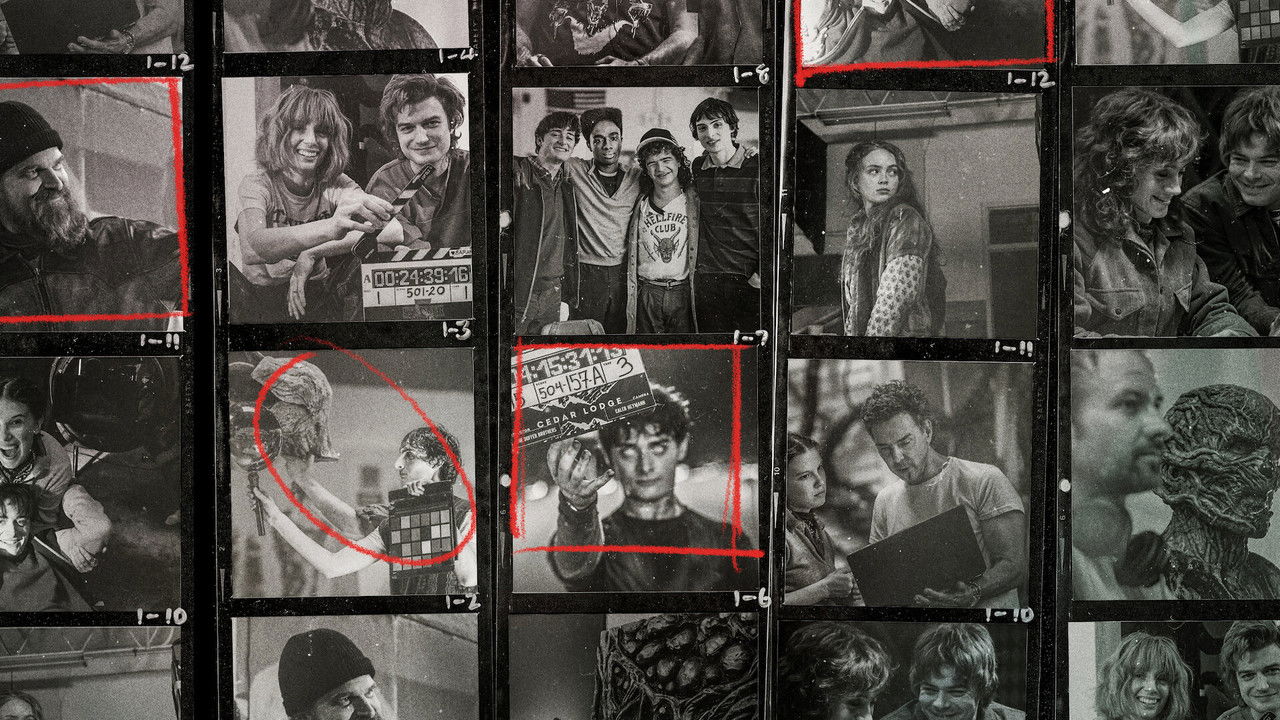
Radwan, a filmmaker with a cinematographer’s eye for the unspoken, creates a visual language that feels startlingly intimate against the backdrop of a blockbuster production. The Duffer Brothers have explicitly cited the exhaustive "appendices" of Peter Jackson’s *The Lord of the Rings* DVDs as their north star here, and the influence is palpable. We are not treated to the sanitized, soundbite-heavy fluff pieces common to modern "content." Instead, Radwan’s camera lingers on the exhaustion in the writers' room and the suffocating pressure of sticking the landing. She captures the textures of the set—the sawdust, the wires, the cold coffee—grounding the supernatural in the fiercely manual labor of filmmaking.
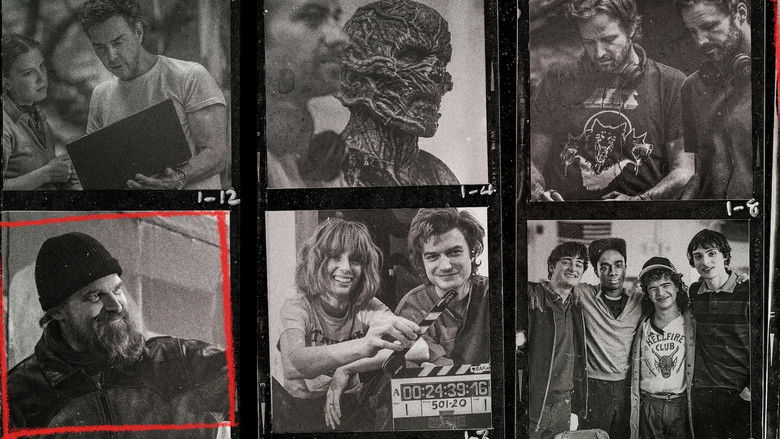
The documentary’s emotional center of gravity is, inevitably, the cast. Because *Stranger Things* ran for nearly a decade, we are watching a time-lapse of human growth. Radwan wisely eschews standard "talking head" interviews in favor of fly-on-the-wall observation. In one particularly devastating sequence, we witness the final table read. The air in the room is heavy, not with the excitement of a premiere, but with the grief of separation. When the script reaches the words "End Series"—a moment Matt Duffer describes as having a physical impact—the silence captured is louder than any synth score. It is a portrait of a family realizing the house is being sold.
There is a fascinating tension explored here between the intimate and the industrial. We see Millie Bobby Brown and Finn Wolfhard, no longer the children of 2016, navigating the disconnect between their adult selves and the frozen-in-time youth of their characters. Radwan juxtaposes these quiet, identity-grappling moments with the sheer, deafening noise of the production machinery. We see the discussions regarding Eleven’s fate not as plot points, but as ethical debates among the creators about what these characters deserve after so much trauma.
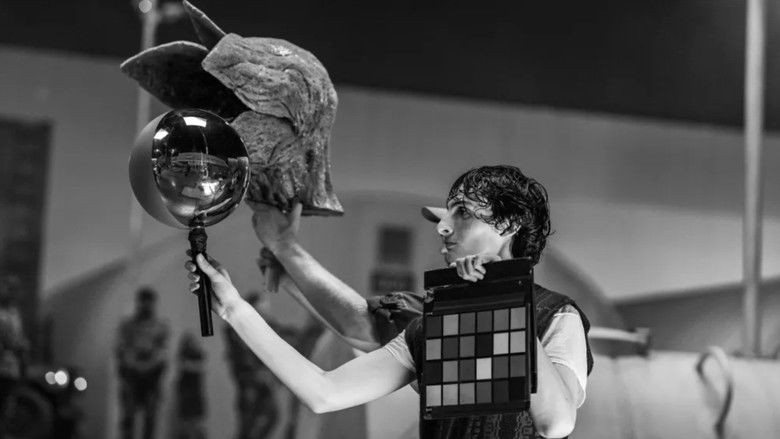
What elevates *One Last Adventure* above a standard "making-of" is its transparency regarding the anxiety of creation. The film does not shy away from the logistical nightmares of filming the massive "Rift" sequences or the creative gridlock of the writing process. By showing the seams—the green screens, the stunt doubles, the exhaustion—Radwan ironically makes the magic feel more real. We understand that the Upside Down was built by carpenters and lit by electricians, and that the tears onscreen were often mirrored by the crew behind the cameras.
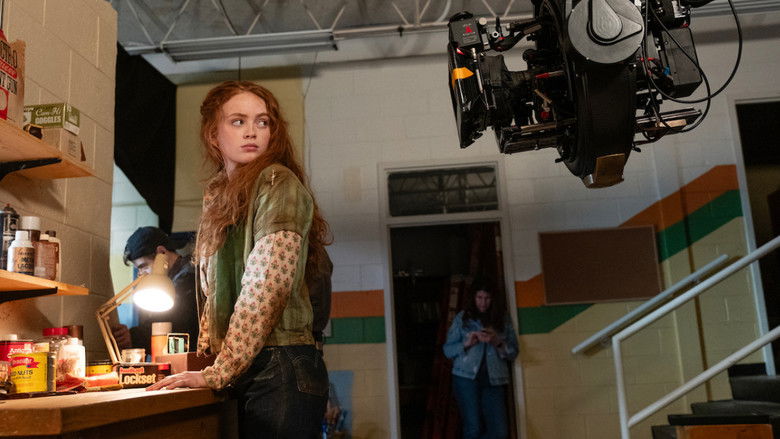
Ultimately, this documentary serves as a necessary decompression chamber for the audience. If Season 5 was the climactic explosion, *One Last Adventure* is the settling dust. It validates the viewer's emotional investment by showing that the creators took it just as seriously. In a media landscape that increasingly treats art as disposable "assets," this film stands as a testament to the permanence of craft. It is a reminder that while childhood ends, the stories that shaped it are built to last.