The Architecture of JoyIn the modern taxonomy of stand-up comedy, there is a distinct divide between the cynics and the celebrants. The former, often American heavyweights or British iconoclasts like Ricky Gervais, view the stage as a pulpit for hard truths and abrasive social commentary. Mo Gilligan, however, occupies a rarer, more luminous space. With his latest special, *In the Moment*, Gilligan confirms his status not as a satirist of the downtrodden, but as the joyful chronicler of ascent. He is the life of a party that he still can’t quite believe he was invited to.
If his previous work was about the hustle of South London, *In the Moment* is about the disorientation of Hollywood success. Yet, crucially, Gilligan refuses to become the detached celebrity observer. He remains the wide-eyed tourist in his own life, turning the alienating glitz of Los Angeles into a playground of camaraderie rather than a target of scorn.
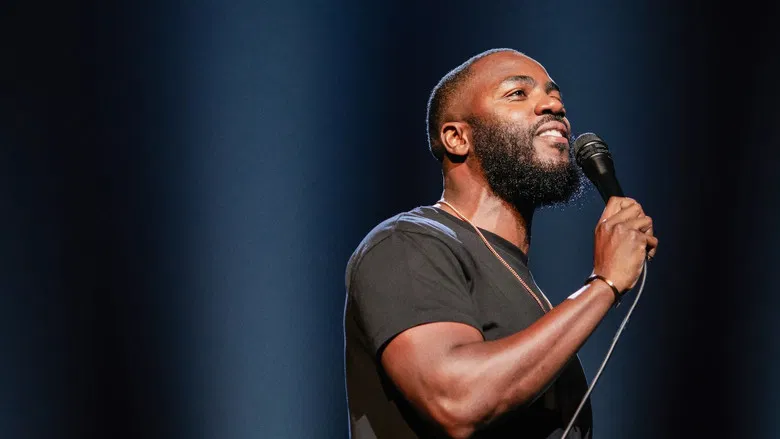
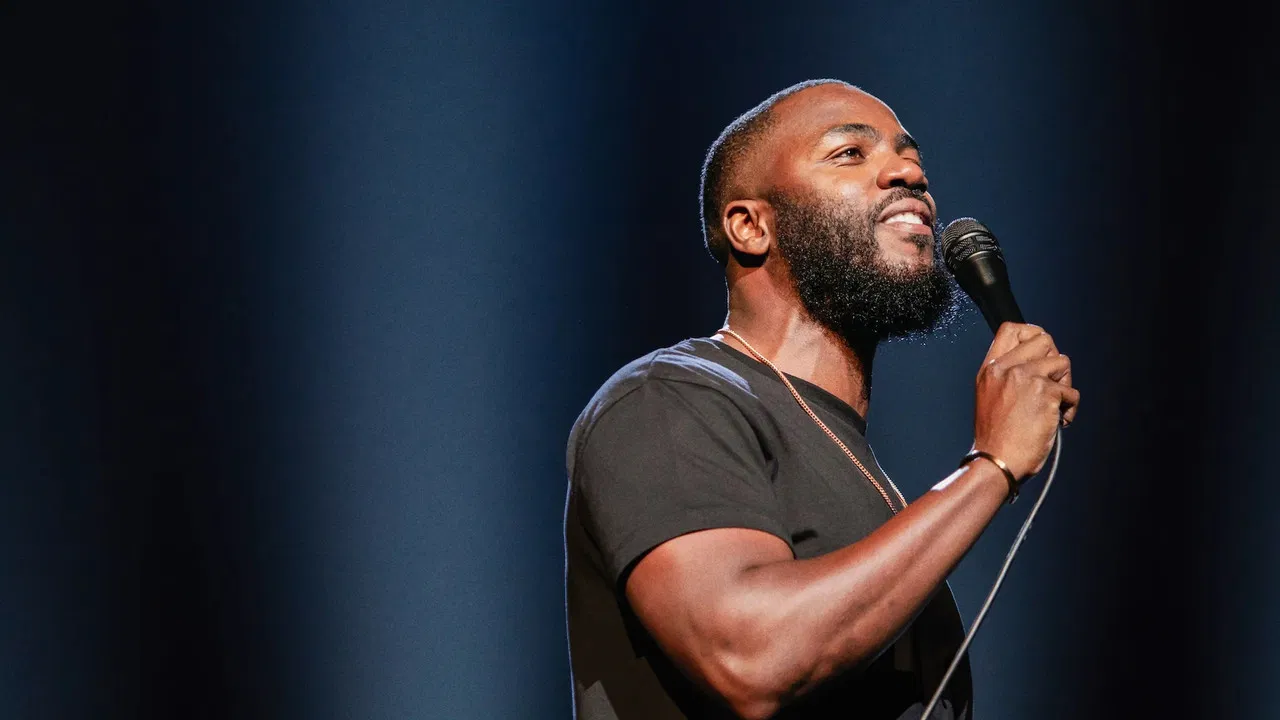
Visually, the special creates an intimate atmosphere despite the cavernous scale of the O2 Arena. Director Chris Howe understands that Gilligan’s comedy is kinetic; it lives in his physicality—the strut, the mimicry, the way he embodies characters from a suspicious US customs officer to a "roadman" out of his depth. The production design leans into this energy, utilizing stadium-grade lighting cues that punctuate the jokes like a musical score.
One particularly striking sequence involves the lights cutting out to leave a single cloaked figure illuminated, a theatrical flourish that elevates the set from a standard "man with a mic" routine to something approaching performance art. It is a testament to Gilligan’s command of the space that he can shrink an arena down to the intimacy of a barbershop, only to explode it back out again with a musical interlude or a grime-inflected callback.
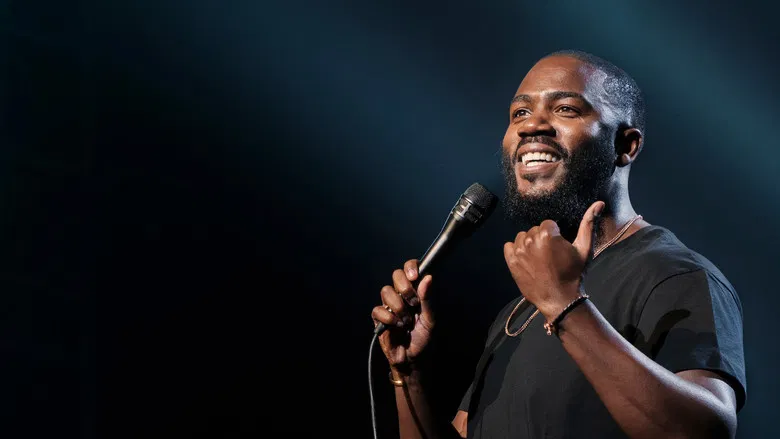
The narrative spine of the special is a sprawling, shaggy-dog story about a night out in Los Angeles with his childhood friends ("the mandem"). In lesser hands, a twenty-minute anecdote about VIP sections and champagne bills could easily curdle into braggadocio. However, Gilligan frames the excess through a lens of distinct cultural vertigo. He isn't boasting about the cost of the bottle; he is panicking about it.
When he describes his friends feigning an interest in the club's "architecture" to avoid making eye contact with the bill, Gilligan taps into a profound imposter syndrome that resonates far beyond the tax bracket of the story. It is a masterclass in grounding the unrelatable. He juxtaposes the sterile luxury of Hollywood with the chaotic warmth of Black British family holidays, drawing a line between the two that suggests fame is just another absurd family trip, only with higher stakes and fewer Caribbean relatives asking about your employment status.
Ultimately, *In the Moment* succeeds because it rejects the brooding introspection that has become fashionable in the "comedy special as therapy" era. Gilligan offers something arguably more difficult to execute: unadulterated, high-octane delight. He does not use the stage to confess his sins, but to share his disbelief. In a cultural moment often defined by irony and detachment, Mo Gilligan’s sincerity is his most subversive weapon. He invites us to look at the VIP section not with envy, but with the hilarious recognition that nobody, really, belongs there.