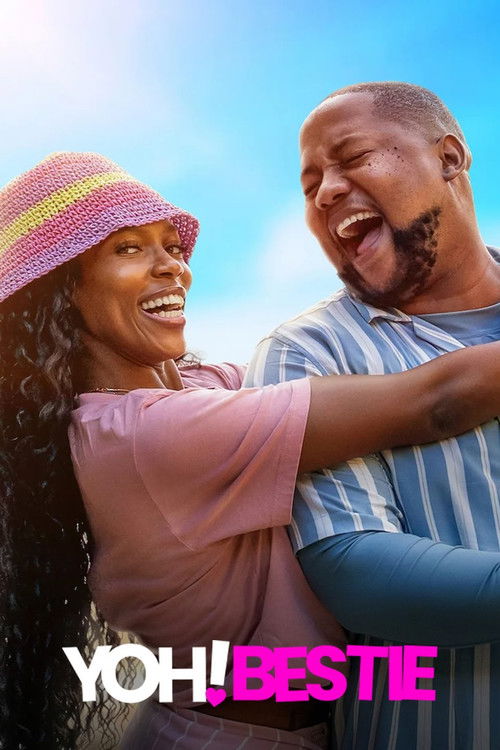
The Architecture of Unspoken ThingsThe romantic comedy is often unfairly maligned as a genre of comfort, a cinematic warm blanket designed to soothe rather than challenge. Yet, in the hands of a director who understands the fragility of human connection, it can be a sharp instrument. With *Yoh! Bestie* (2026), director Johnny Barbuzano moves beyond the frantic, tinsel-draped energy of its predecessor, *Yoh! Christmas*, and settles into something far more interesting: the suffocating, sun-drenched melancholy of a destination wedding. If the series was about the external pressure to be partnered, this film is a meditation on the internal devastation of watching the person you love commit to someone else.
Barbuzano trades the claustrophobic interiors of family holiday gatherings for the expansive, perilous beauty of Knysna. The shift in geography is not merely aesthetic; it is thematic. The Garden Route’s vast horizons and crashing waves serve as a counterpoint to Thando’s (Katlego Lebogang) internal contraction. The camera often finds Thando framed against these massive, indifferent landscapes, highlighting her isolation even amidst the performative joy of wedding festivities. There is a visual language here that speaks of erosion—how waiting, like water against rock, eventually wears away at our defenses. The film looks lush, saturated with the golds and teals of the South African coast, but the brightness often feels oppressive, leaving the characters nowhere to hide their true intentions.
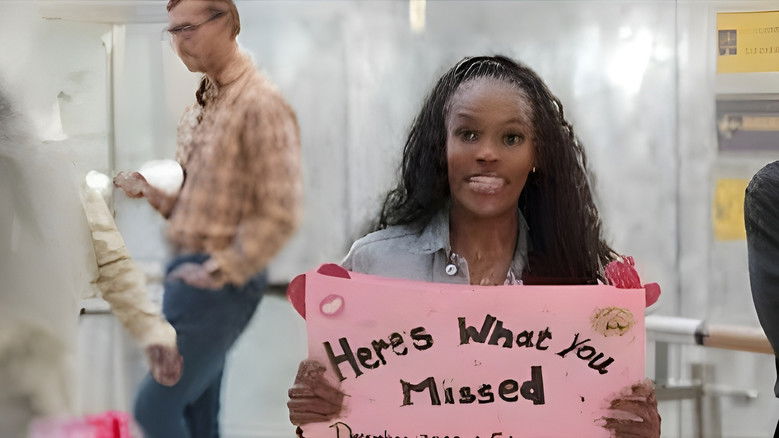
At the film's center is a performance of remarkable restraint by Katlego Lebogang. Reprising her role as Thando, she abandons the manic energy of the serial format for a quieter, more tragic dignity. The script, penned by Tiffany Barbuzano, smartly avoids making the "best friend" Charles (Siya Sepotokele) a villain or his new fiancée a caricature. Instead, the conflict is driven by the terrible timing of realization.
One specific scene captures this perfectly: a "rehearsal" moment where Thando and Charles joke about their old "date me, marry someone else" dynamic. What begins as banter—the comfortable, worn-in language of their friendship—slowly curdles into silence. Barbuzano holds the shot just a few seconds too long, allowing the audience to see the panic rising in Thando’s eyes as she realizes the joke is no longer funny; it is a eulogy for a life she didn't know she wanted until it was gone.

Ultimately, *Yoh! Bestie* transcends the "my best friend's wedding" trope by refusing to offer easy villains. The antagonist here is not the fiancée, but time itself—the years spent in the safety of ambiguity. By the time the credits roll, the film has delivered something more substantial than a simple "happily ever after." It offers a mature, often painful look at the cost of silence. It suggests that while love requires courage, sometimes the bravest act is simply witnessing the happiness of others while your own heart is quietly breaking. It is a vibrant, culturally distinct entry into the canon of South African cinema that proves the rom-com still has teeth.