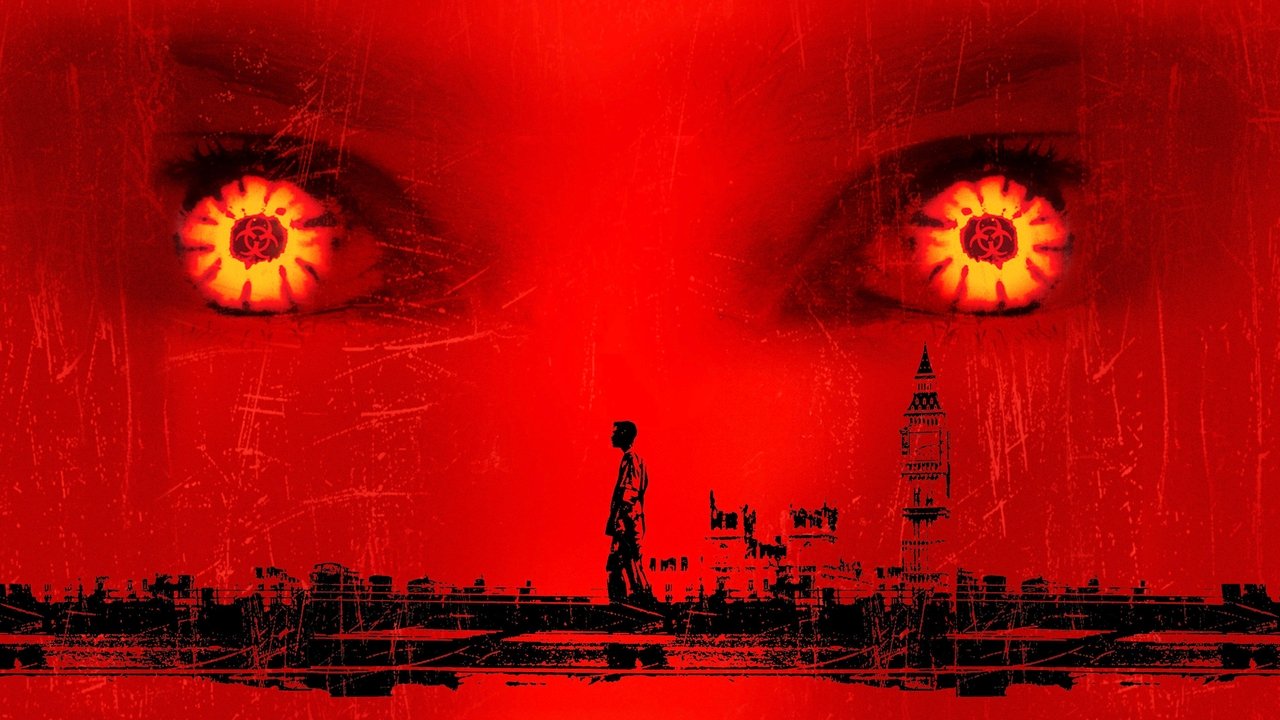
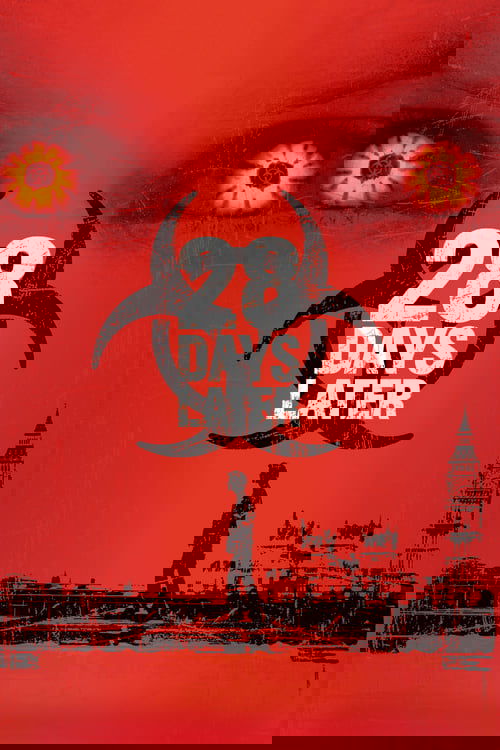
The Age of RageBefore 2002, the zombie film was a shambling corpse, rotting in the grave of 1980s nostalgia. The genre had become slow, campy, and largely irrelevant to the anxieties of the new millennium. Then came Danny Boyle’s *28 Days Later*, a film that didn't just revive the genre; it defibrillated it with a shot of pure adrenaline. Boyle and screenwriter Alex Garland stripped away the supernatural rot of the "undead" and replaced it with something far more terrifyingly plausible: a biological contagion of unadulterated anger.
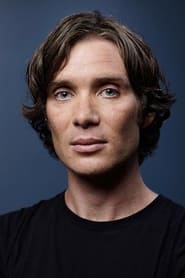
The film’s visual language is perhaps its most striking—and initially controversial—feature. Shot almost entirely on Canon XL1 MiniDV cameras, the movie possesses a gritty, pixelated aesthetic that feels less like a polished Hollywood production and more like stolen news footage from the end of the world. This low-resolution digital look captures the grime and immediacy of the collapse. When Cillian Murphy’s Jim wanders the eerily deserted Westminster Bridge, the silence is deafening, but the digital noise in the frame makes the emptiness feel suffocatingly real. It doesn’t look like a movie set; it looks like a documentary of our extinction.

This aesthetic choice serves the narrative perfectly. The "infected" here are not the slow-moving ghouls of George A. Romero’s era. They are sprinters, screaming and vomiting blood, driven by a virus literally called "Rage." This shift from slow dread to kinetic terror mirrors the acceleration of modern life. The danger is not that death is coming for you eventually; it is that violence can erupt instantaneously, tearing through the social fabric in seconds. The terror of *28 Days Later* is the terror of a road rage incident escalated to an apocalyptic scale. The infected are terrifying not because they are monsters, but because they are us—stripped of all inhibition, reduced to a single, violent impulse.
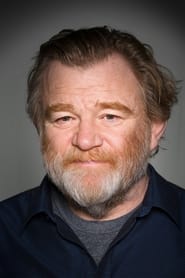
The film's emotional weight, however, rests on the survivors. The core group—Jim, the hardened pragmatist Selena (Naomie Harris), the jovial taxi driver Frank (Brendan Gleeson), and his daughter Hannah—forms a fragile family unit that feels earned rather than engineered. Boyle understands that for the horror to work, we must care about who is being hunted. The scene involving a single drop of infected blood falling into an eye is a masterclass in tragedy, shifting the tone from high-octane survival to heartbreaking loss in a single heartbeat.

Yet, the film’s most profound cynical turn comes in its third act. When the survivors reach the supposed safety of a military blockade, the script reveals its true thesis: biological rage is terrifying, but calculated, institutionalized malevolence is worse. The soldiers, led by the chilling Major West (Christopher Eccleston), offer a different kind of horror—one born of despair and misogyny. Here, the film pivots from a survival thriller to a savage critique of military authority and the fragility of "civilized" men. Jim’s transformation in the finale—becoming as feral and violent as the infected to save Selena and Hannah—blurs the line between the healthy and the sick.
*28 Days Later* remains a seminal work not because of its jump scares, but because it treated the apocalypse as a sociological study. It asked how quickly the veneer of British politeness would dissolve when the power went out. Two decades later, its vision of a world emptied by contagion and fueled by anger feels less like science fiction and more like a warning we failed to heed. It is a masterpiece of modern horror that screams in your face, demanding you wake up.