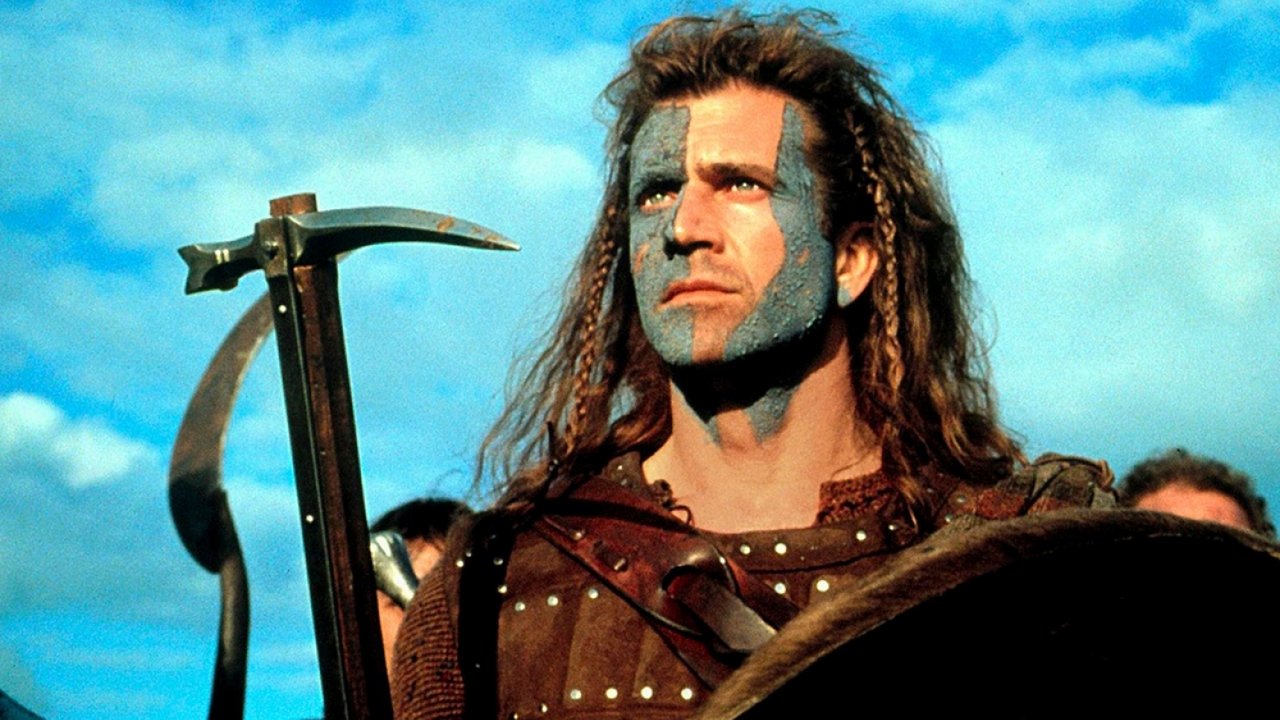
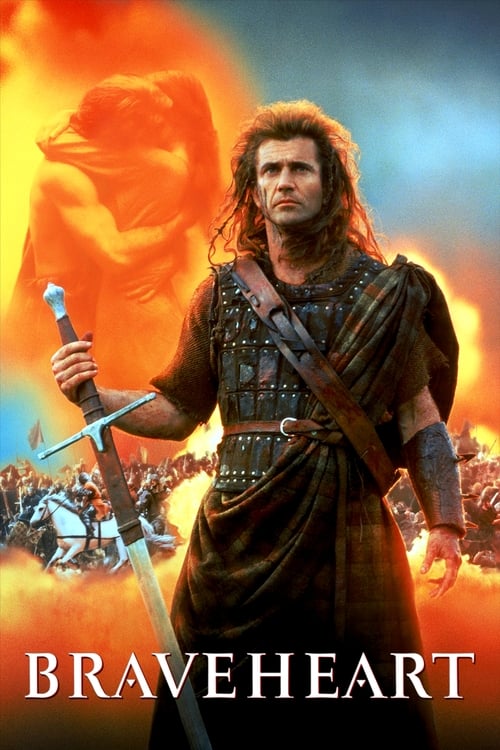
The Blood of MythsTo critique Mel Gibson’s *Braveheart* (1995) on the grounds of historical accuracy is to fundamentally misunderstand the medium of the epic. Yes, the kilts are centuries out of date; yes, the blue face paint is an anachronistic holdover from the Picts; and yes, the Battle of Stirling Bridge notably lacks a bridge. But cinema is not a classroom. It is an emotion machine, and few films in the modern canon operate with such operatic, sledgehammer force as Gibson’s sophomore directorial effort. This is not a documentation of the Scottish Wars of Independence; it is a mythopoetic creation, a story written in lightning and blood that prioritizes the *feeling* of freedom over the footnotes of history.

Visually, Gibson stripped the "period piece" of its stuffy, polished veneer. Before *Braveheart*, historical epics often felt staged and theatrical. Gibson, utilizing the cinematography of John Toll, dragged the camera into the mud. The film’s visual language is defined by a suffocating tactile reality; you can practically smell the rain-soaked wool, the burning thatch, and the iron-scented mist of the Highlands. The violence is not sanitized for the faint of heart; it is gruesome, chaotic, and exhausting. By grounding the battles in such visceral gore, Gibson elevates the stakes. The English occupation is not depicted merely as a political grievance, but as a physical violation of the land and the body.
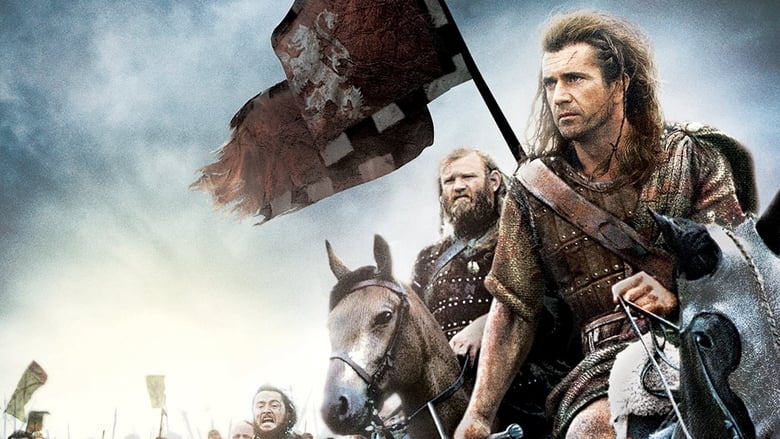
At the center of this storm stands Gibson’s William Wallace, a performance that eschews nuance for sheer iconic power. Wallace is less a man than a force of nature, a manifestation of Scotland’s collective id. The script, written by Randall Wallace, cleverly positions the conflict not just as Scots versus English, but as the common man versus the elite. The true villains are often the compromising Scottish nobles, paralyzing the cause with their backroom politics. This lends the film a populism that transcends its era. The "Freedom" speech is so ingrained in pop culture that it risks parody, yet within the film’s architecture, it functions perfectly—a moment where the desire for self-determination overrides the primal fear of death.
Ultimately, *Braveheart* is a story of martyrdom. The final act, which sees Wallace betrayed and tortured, leans heavily into religious iconography, a theme Gibson would later explore more explicitly in *The Passion of the Christ*. The silence of the crowd during the execution, broken by Wallace’s final, defiant cry, transforms the film from a war movie into a tragedy of almost Shakespearean proportions. It captures a specific brand of cinematic romanticism that has largely vanished from today’s franchise-heavy landscape—a belief that a single man’s spirit can be large enough to alter the shape of history. It may be bad history, but it is magnificent cinema.