The Architecture of EmpathyIf cinema is an empathy machine, as Roger Ebert famously claimed, then animation is its dream logic—a realm where the physics of reality bow to the metaphysics of emotion. In the landscape of early 21st-century television, few works understood this better than *Avatar: The Last Airbender*. While ostensibly a "kids' show" about elemental magic, created by Michael Dante DiMartino and Bryan Konietzko, the series operates as a profound meditation on the scars of imperialism and the difficult, non-linear path of redemption. To label it merely a cartoon is to mistake the medium for the genre; *Avatar* is an epic that uses the visual language of fantasy to dismantle the very real mechanics of war.
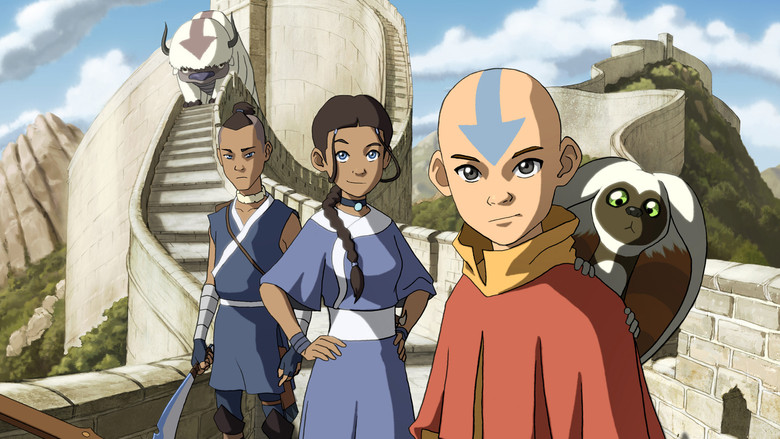
The series distinguishes itself immediately through its visual dialect. The creators famously dubbed their aesthetic "hamburger anime"—a Western production marinated in the stylistic traditions of Studio Ghibli and FLCL. Yet, this is not mere mimicry. The animation serves as a storytelling device where the environment itself breathes. The waterbending of the polar tribes flows with the tai chi principles of yielding and redirecting, while the earthbending of the occupied kingdoms strikes with the rigid, immovable horse stance of Hung Ga. These are not just cool superpowers; they are cultural philosophies made manifest. When the protagonist, Aang, discovers the genocide of his people early in the series, the camera pulls back to reveal a skeleton amidst the dust—a stark, silent frame that signaled to its audience that this story would carry the weight of actual history, not just Saturday morning skirmishes.

At the narrative’s heart lies the dual journey of Aang and Prince Zuko, a structural coup that elevates the show above standard hero's journeys. Zuko, the scarred, exiled prince of the aggressor nation, begins as a villain but evolves into one of the most complex figures in modern fiction. His redemption is not a singular moment of realization but a painful, stumbling trudge through shame and identity. The writers understand that redemption is not about being "good"; it is about unlearning the toxic heritage of one's forefathers. The "Tales of Ba Sing Se" vignette, specifically Iroh’s segment, remains the series' emotional high-water mark. Watching a former war general weep for his dead son while singing "Leaves from the Vine" is a masterclass in humanizing the "enemy," stripping away the politics of the Fire Nation to reveal the universal grief of a father.

Ultimately, *Avatar: The Last Airbender* endures because it respects the intelligence of its audience, regardless of age. It posits that a child's show can discuss the ethics of pacifism in the face of totalitarianism without becoming didactic. It suggests that destiny is not a pre-written scroll, but a collaborative act between the individual and their community. In an era where franchises are often content to spin their wheels, *Avatar* remains a completed, singular work of art—a testament to the power of animation to heal, to teach, and to move us.