The Resonance of RegretIn the landscape of modern Chinese crime noir, there is often a distinct friction between the procedural necessity of "catching the bad guy" and the more murky, human desire to understand him. Fu Dongyu’s *The Guilty* (2026) sits squarely in this uncomfortable intersection. It is not merely a whodunit; it is a *whydunit* that stretches across eighteen years, exploring how a single moment of moral failure can calcify into a lifetime of collective penance. By centering the narrative on a trio of friends bound by a terrible secret rather than just the detectives hunting them, the series transcends the genre’s usual cops-and-robbers binary to become a tragic study of lost potential.

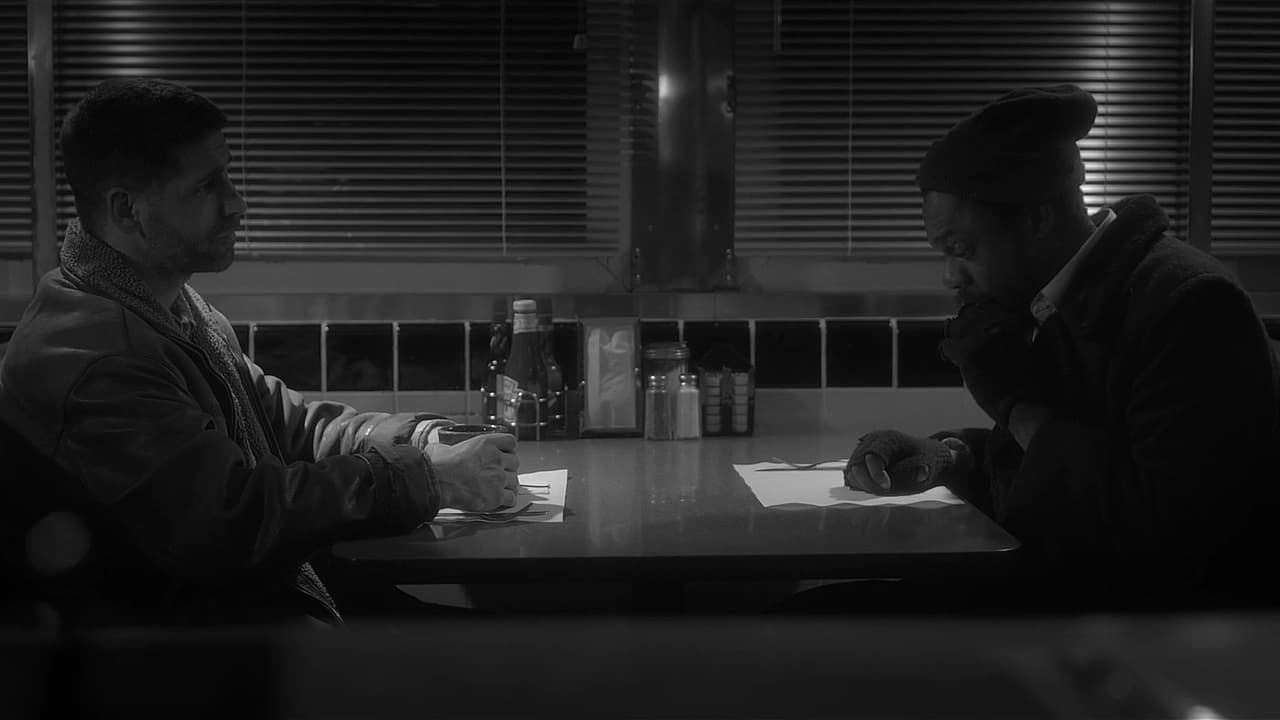
Fu Dongyu, a director who has previously demonstrated a deft hand with suspense, here adopts a visual language that is suffocatingly intimate. The cinematography eschews the glossy, high-contrast look of many contemporary thrillers for a palette of muted earth tones and oppressive shadows. The central motif—an old phonograph recording that resurfaces during a kidnapping case—is handled not just as a piece of evidence, but as a ghostly relic. The crackle of the audio in the opening episodes serves as a sonic bridge between the vibrant promise of the characters' youth and the stale, fearful air of their adulthood. The camera lingers on dust motes and worn surfaces, suggesting that the past isn't dead; it’s just been waiting in the dark.
At the heart of this tragedy are Lu Ming (Wei Daxun), Xia Xue (Sun Qian), and Lin Hua (Gao Zhiting). The casting here is particularly astute. Wei Daxun, often recognized for lighter roles, delivers a performance of startling interiority. He plays Lu Ming not as a villain, but as a man hollowed out by the maintenance of a lie. The "unbreakable bond" shared by the three friends is portrayed less as a triumph of loyalty and more as a mutual hostage situation. They are protecting each other, yes, but they are also each other's jailers. The script allows us to sympathize with their terror without ever fully absolving them of their initial sins, creating a tension that is far more gripping than any car chase.
The narrative structure, which interweaves the investigation of a seasoned detective (Wang Longzheng) with the flashbacks of the trio’s college days, exposes the erosion of innocence. We see the stark contrast between the bright-eyed students who believed the world was theirs for the taking, and the weary adults navigating a "mining disaster" of their own making. The series posits that the true punishment for their crime wasn't legal incarceration, but the psychological prison of looking over one’s shoulder for nearly two decades.
Ultimately, *The Guilty* succeeds because it refuses to offer easy catharsis. In an era where audiences often demand clear moral victors, this series dares to sit in the grey. It suggests that while the truth may set you free, it will almost certainly destroy the life you’ve built on the foundation of a lie. It is a haunting, melancholic addition to the crime genre, reminding us that the loudest accusations often come from our own silence.