✦ AI-generated review
The Tartan Prancer Effect
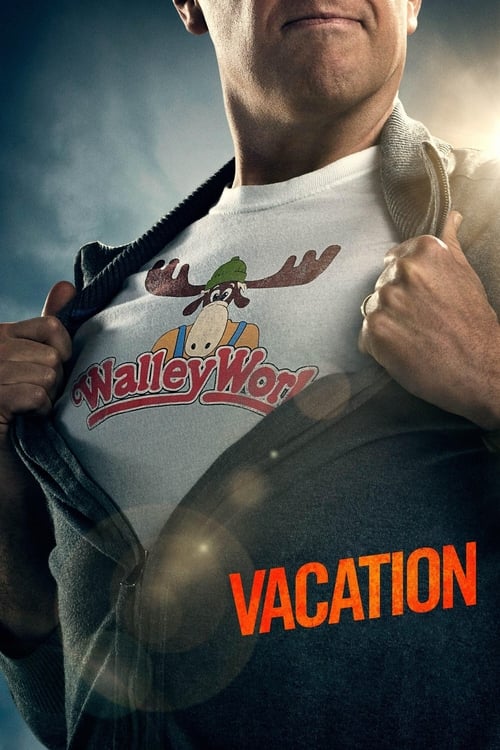
Nostalgia is often described as a warm, fuzzy embrace of the past, but in cinema, it can easily curdle into a trap. We see this struggle embodied in John Francis Daley and Jonathan Goldstein’s *Vacation* (2015), a film that attempts to retrace the steps of a beloved classic but finds the road significantly rockier. Much like its protagonist, a grown-up Rusty Griswold who is desperate to recreate a childhood memory for his own fracturing family, the film labors under the crushing weight of expectation. It tries to force a feeling that cannot be engineered, resulting in a journey that is less a tribute to the American road trip and more a study in the anxiety of influence.
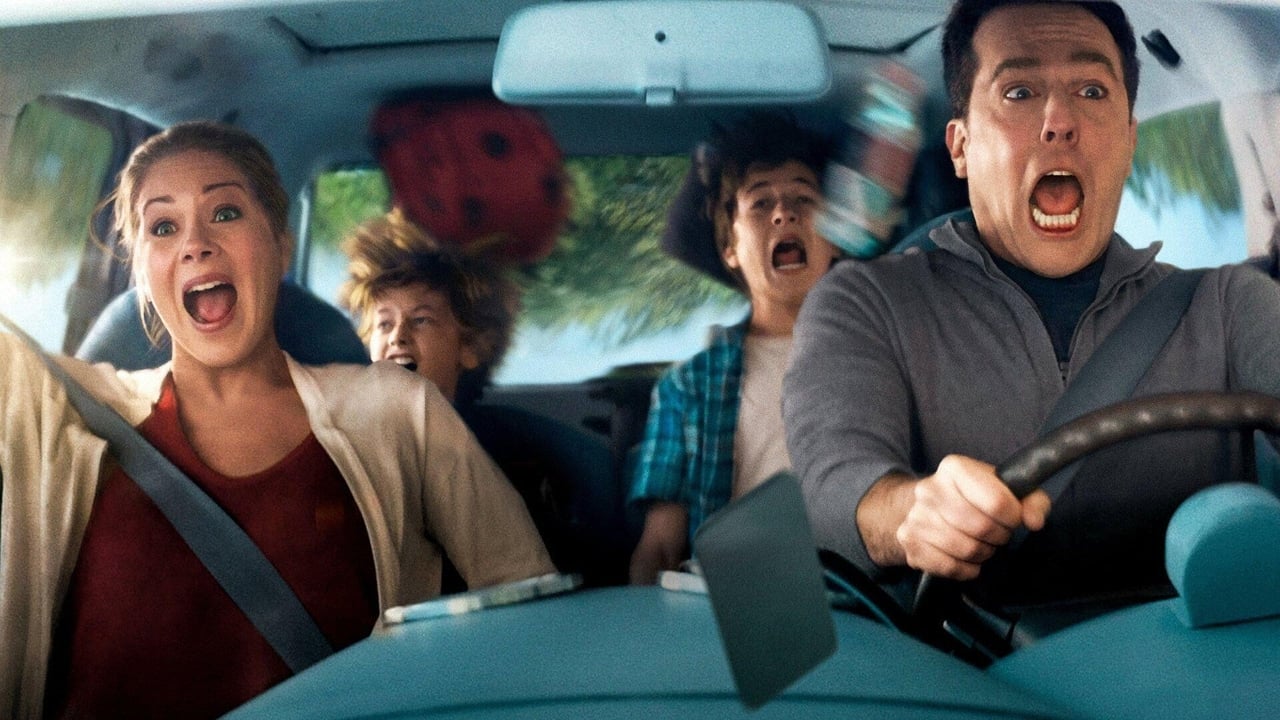
The film’s central metaphor is, accidentally or not, the vehicle the family drives. In the 1983 original, the "Wagon Queen Family Truckster" was a visual gag about the ugliness of consumerism—a pea-green monstrosity that was nonetheless robust. In the 2015 update, Rusty rents a "Tartan Prancer," dubbed the "Honda of Albania." The Prancer is a triumph of absurdist production design: it features mirrored front-and-back ends, confusing buttons marked with swastikas, and a key fob that inexplicably blows out the windows. The car is over-complicated, baffling, and actively hostile to its passengers. Unfortunately, this serves as a perfect analog for the film’s directorial approach. Daley and Goldstein, moving from screenwriting (*Horrible Bosses*) to the director's chair, have designed a vehicle that is loud and aggressive, yet fundamentally disconnects from the human element that made the original endure.
Visually, the film trades the grainy, relatable suburban malaise of the 1980s for a slick, high-contrast digital sheen that makes the gross-out humor feel uncomfortably visceral. The "Griswold Springs" sequence—in which the family mistakenly bathes in raw sewage—is a prime example. The camera lingers on the grotesque with a kind of clinical detachment, mistaking shock for wit. Where John Hughes (the original’s writer) used slapstick to puncture the ego of the patriarch, this film uses humiliation to simply punish its characters. The visual language doesn't invite us to laugh *with* the Griswolds, but rather to recoil *from* them.
The heart of the film’s struggle lies in the character of Rusty, played by Ed Helms. Helms is a gifted comedian of the "nice guy" archetype, but the script misunderstands what made his father, Clark Griswold (Chevy Chase), an icon. Clark was fueled by a manic, almost dangerous obsession with the "perfect family moment," masking a deep well of suburban rage. Rusty, by contrast, is merely clueless. His motivation feels thinner, his blindness to reality less tragic and more sitcom-contrived. The emotional heavy lifting is left to Christina Applegate, whose performance as the long-suffering wife Debbie offers the film’s only true sparks of humanity. She plays her role with a weary resilience that suggests a much better, more grounded movie was happening just out of frame.
Perhaps the most telling shift in the film's cultural worldview is the dynamic between the children. In the original, the kids were allies against the world. Here, the younger brother, Kevin, is a sociopathic bully to his sensitive older brother. This cruel inversion reflects a meaner, more cynical era of comedy, stripping away the "us against the world" warmth that is essential to the road trip genre.
Ultimately, *Vacation* (2015) stands as a cautionary tale about the difference between repetition and understanding. It mimics the beats of the classic—the car, the song, the destination—but forgets the melody. It is a film that drives thousands of miles only to realize that the park is closed, not because of a moose out front, but because the spirit of the journey was left back in the garage.