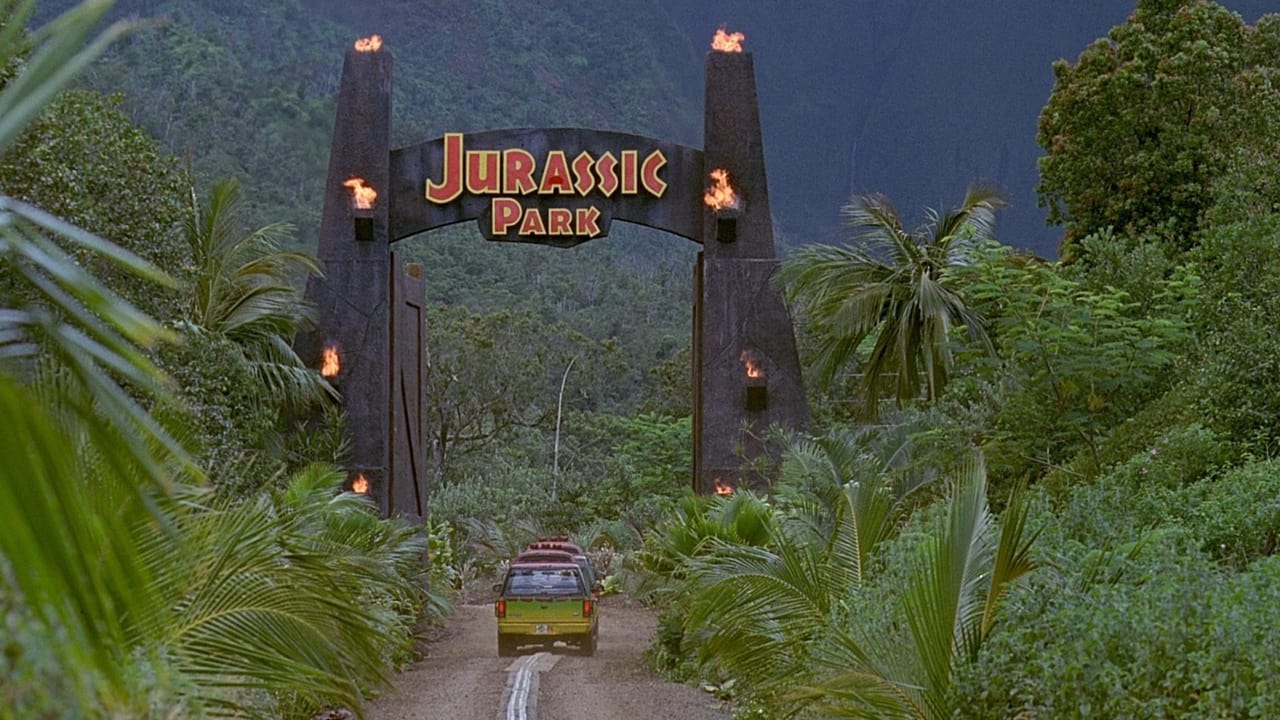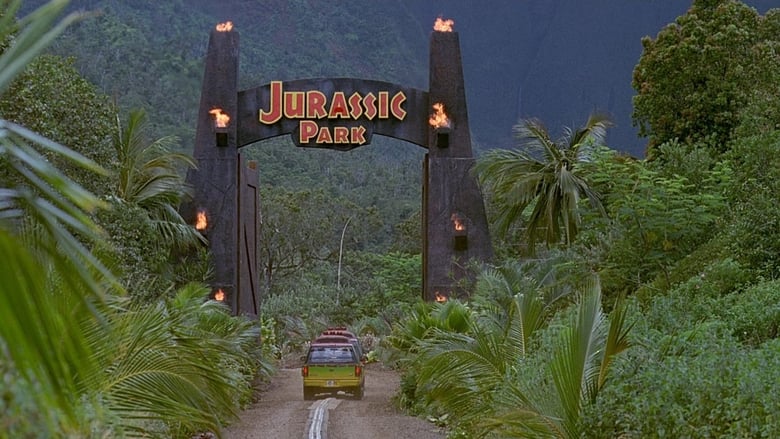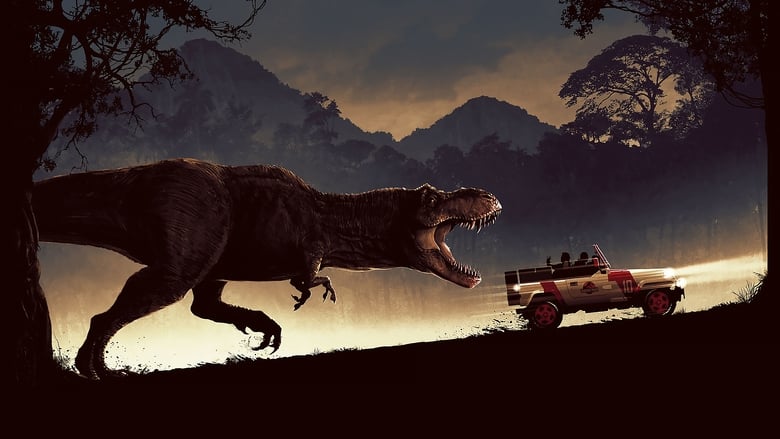
Jurassic Park backdrop
Jurassic Park poster

Jurassic Park

“An adventure 65 million years in the making.”

8.0
1993
2h 7m
AdventureScience Fiction

Overview

A wealthy entrepreneur secretly creates a theme park featuring living dinosaurs drawn from prehistoric DNA. Before opening day, he invites a team of experts and his two eager grandchildren to experience the park and help calm anxious investors. However, the park is anything but amusing as the security systems go off-line and the dinosaurs escape.

Trailer

30th Anniversary Official Trailer Official

Cast

Reviews

AI-generated review
The Promethean Playground

If 1993 is remembered as the year Steven Spielberg finally bared his soul to the Academy with *Schindler’s List*, it must also be remembered as the year he arguably perfected the pulse of the planet with *Jurassic Park*. To view this film merely as a summer blockbuster or a technological benchmark is to miss the forest for the prehistoric trees. Yes, it heralded the dawn of the Computer-Generated Image, forever altering the fabric of cinematic reality. But beneath the digital skin of its dinosaurs beats a surprisingly traditional heart—a cautionary fable about the hubris of creation, delivered by a director who, ironically, is the greatest illusionist of our time.

Spielberg has always been cinema’s great wistful child, but here, he functions as a magician pulling back the curtain only to reveal a fiercer, more uncontrollable magic. The narrative, adapted from Michael Crichton’s scientifically dense novel, is stripped of its drier techno-babble to focus on a primal, almost biblical theme: the collapse of control. John Hammond (Richard Attenborough) is not a villain in the traditional sense, but a grandfatherly figure of dangerous benevolence. He is a distorted mirror of Spielberg himself—a showman desperate to bring wonder to the world, regardless of the cost.

The T-Rex attacks the tour vehicles in the rain

Visually, the film is a masterclass in the "less is more" philosophy, a restraint that modern blockbusters have tragically forgotten. The most terrifying scene in the film involves no dinosaurs at all, but rather two cups of water on a dashboard. Spielberg builds the T-Rex breakout not with noise, but with silence—the rhythmic impact of a unseen footfall creating ripples in the water. It is a visual haiku of impending doom. When the creature finally emerges, the blend of Stan Winston’s animatronics and ILM’s digital artistry creates a tactile weight that 21st-century CGI often lacks. The T-Rex feels heavy; she breathes, she thinks, she exists in the physical space, interacting with rain and mud, not just floating on a pixelated layer.

The film's mid-section pivots from grand adventure to claustrophobic horror, best exemplified by the raptors in the kitchen. Here, Spielberg abandons the sweeping vistas of the island for the cold, reflective surfaces of stainless steel. It is a sequence of pure geometric terror. The children are not fighting monsters; they are outmaneuvering intelligent, lethal animals. Spielberg lowers the camera to the eye level of the children, forcing the audience to shrink down, to feel the vulnerability of being small in a world suddenly ruled by apex predators.

The Velociraptors hunting in the kitchen

At its core, however, *Jurassic Park* succeeds because it is anchored by skepticism rather than blind wonder. Dr. Ian Malcolm (Jeff Goldblum), dressed in black leather like a rock-star philosopher, serves as the film’s conscience. His assertion that "life finds a way" is not a hopeful slogan, but a threat. The human drama—Alan Grant (Sam Neill) learning to accept fatherhood—is simple, perhaps even thin, but it provides the necessary emotional tether. We care about the dinosaurs because the characters fear them; we marvel at them because the characters weep at their beauty.

Dr. Grant and the group encounter the Brachiosaurus

Decades later, *Jurassic Park* remains a singular entity. It stands as the last great gasp of the "tactile blockbuster," a film where the impossible felt undeniably real. Spielberg didn't just show us dinosaurs; he made us believe they were breathing the same air. In an era now dominated by green screens and weightless spectacle, returning to Isla Nublar feels less like watching a movie and more like visiting a lost world where cinema still held the power to awe, terrify, and humble us all at once.

Clips (7)

Escaping the Park

Welcome To Jurassic Park - Extended Preview

Iconic T-Rex Escape

The T. rex Chase In 4k HDR

Welcome To Jurassic Park

All Aboard To Jurassic Park Island Extended Preview in 4K Ultra HD

The T. Rex Escapes the Paddock in 4K HDR

Featurettes (13)

30th Anniversary Special: Defining Moments

30th Anniversary Special: Excavating The T. rex & Kitchen Scenes

Dinosaur Sounds with Gary Rydstrom

Celebrating the 30th Anniversary of Jurassic Park | Put A Finger Down Challenge

Celebrating 30 Years of Jurassic Park

"Jurassic Park" winning a Sound Effects Editing Oscar®

Moments That Changed The Movies: Jurassic Park

"Jurassic Park" winning a Sound Oscar®

Jurassic Park Wins Visual Effects: 1994 Oscars

How Dinosaurs Came to Life in "Jurassic Park"

The Shaving Cream Can

Samuel L. Jackson

Ariana On Dinosaur Sneeze

Behind the Scenes (9)

Rare Footage Of Steven Spielberg Directing Iconic Scenes - Bonus Feature

Return to Jurassic Park: Dawn of a New Era Bonus Feature

Steven Spielberg Directs Jurassic Park Bonus Feature

Featurette

Glass of Water

The Score

The First Images

Stan Winston

Looking Back

LN
Latest Netflix

Discover the latest movies and series available on Netflix. Updated daily with trending content.

About

  • AI Policy
  • This is a fan-made discovery platform.
  • Netflix is a registered trademark of Netflix, Inc.

© 2026 Latest Netflix. All rights reserved.