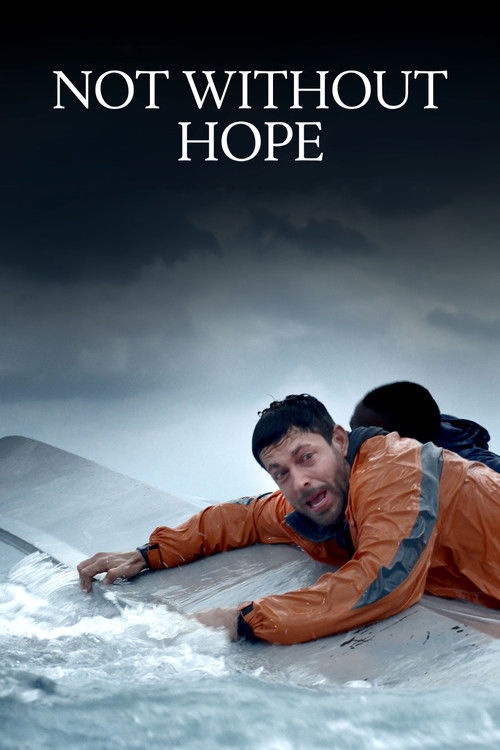
The Silence of the DeepThere is a specific frequency of dread that director Joe Carnahan has spent his career tuning into. It is the sound of masculine bravado shattering against the indifference of the natural world. In *The Grey*, he pitted men against wolves and winter to explore existential grief. Now, in *Not Without Hope*, he trades the snow for the suffocating vastness of the Gulf of Mexico. The result is a film that is less about the mechanics of survival and more about the slow, agonizing dismantling of the human spirit when removed from the context of civilization.
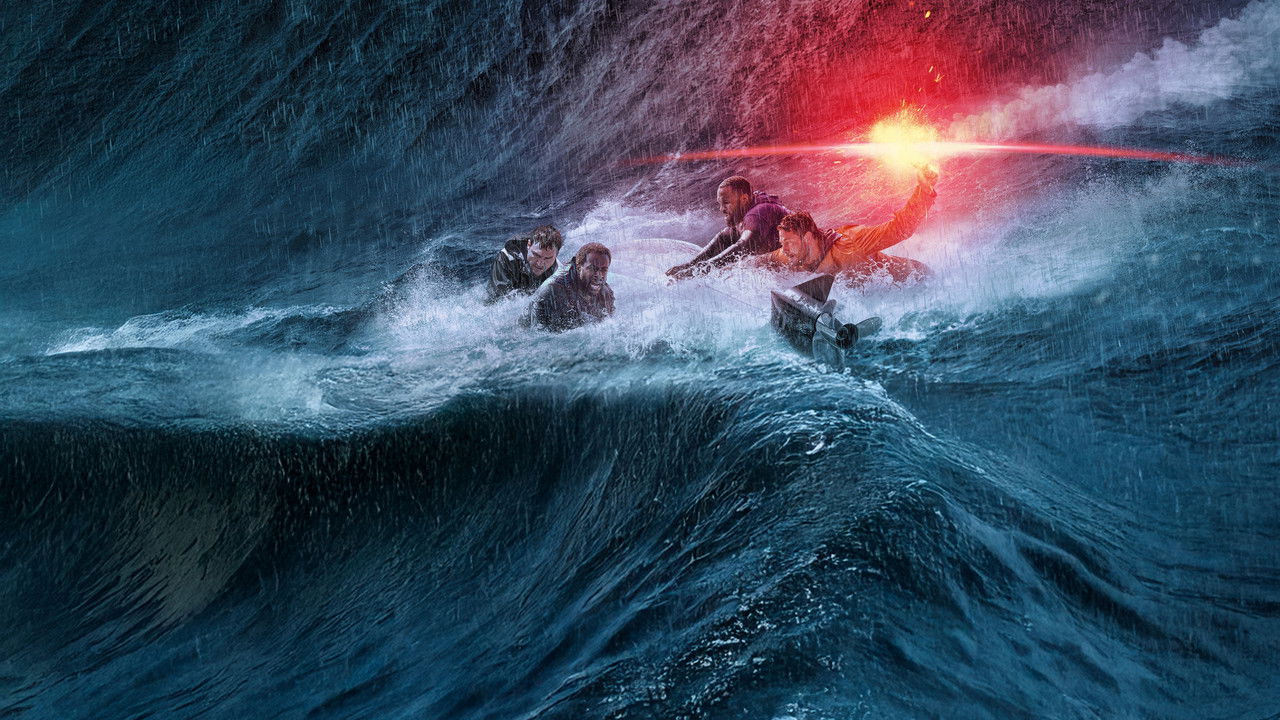
Carnahan’s approach here is aggressively immersive. He understands that the terror of the ocean is not just in its violence, but in its perspective. Cinematographer Juanmi Azpiroz keeps the camera perilously low, bobbing at water level, forcing the audience to tread water alongside the cast. There are no sweeping, god-like drone shots to offer us the comfort of geography. We are trapped in the trough of the wave, blinded by spray and salt. The visual language creates a claustrophobia that seems impossible in an open ocean—a paradox that Carnahan exploits to ruthless effect.
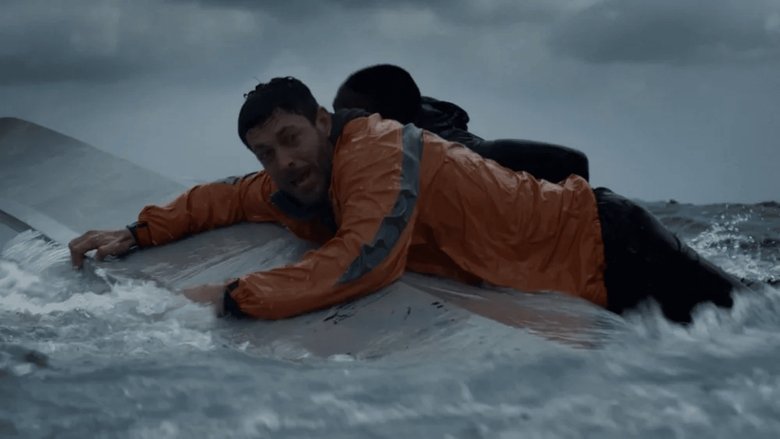
The film adapts the 2009 tragedy involving NFL players Marquis Cooper (Quentin Plair) and Corey Smith (Terrence Terrell), along with best friends Will Bleakley (Marshall Cook) and Nick Schuyler (Zachary Levi). When their boat capsizes due to a stuck anchor and a series of cascading errors, the film shifts from a "guys' trip" hangout into a grueling chamber drama without walls.
The revelation here is Zachary Levi. Known primarily for the buoyant, child-like energy of *Shazam!*, Levi undergoes a harrowing physical and emotional contraction. As Nick Schuyler, he strips away the movie-star veneer to reveal a raw, trembling vulnerability. The performance is not built on big speeches, but on the terrifying physical reality of hypothermia—the confusion, the lethargy, and the terrifying acceptance of the end. Watching the light dim in his eyes offers a haunting counterpoint to the film's title; it is a portrayal of hope not as a triumph, but as a painful, exhausting burden.
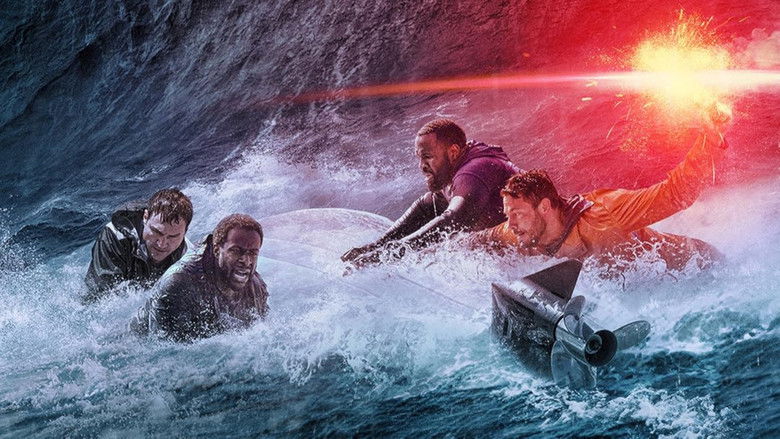
However, the film’s narrative architecture occasionally undermines its own intensity. Carnahan makes the structural choice to cut away from the isolation of the capsized hull to the procedural efforts of the U.S. Coast Guard, led by Captain Timothy Close (Josh Duhamel). While these scenes are competent and respectful to the real-life rescuers, they puncture the atmospheric bubble the film works so hard to inflate. Every time we cut to a dry, well-lit command center, the visceral grip of the ocean loosens. The audience is allowed to breathe, to remember that there is a world outside the water, which arguably dilutes the sheer terror the characters are experiencing.
Despite these interruptions, *Not Without Hope* remains a potent examination of endurance. It avoids the temptation to turn the ocean into a movie monster; the waves are not malicious, they are simply there, rolling on whether the men survive or not. In an era of cinema often defined by noise and spectacle, Carnahan reminds us that the most deafening sound of all is the silence left behind when a friend slips beneath the surface. It is a flawed but deeply respectful tribute to those who were lost, anchored by a director who refuses to look away from the abyss.