The Weight of the SwordNostalgia is a dangerous currency in modern Hollywood. It is usually spent cheaply, buying the audience’s attention with the hollow recognition of a plastic toy they once owned rather than the story they once imagined. The problem with adapting *Masters of the Universe* has always been the source material’s inherent absurdity; it is a saga of neon-barbarians and skull-faced wizards that risks collapsing into camp the moment it takes itself too seriously. Yet, in director Travis Knight’s confident, operatic hands, *Masters of the Universe* becomes something entirely unexpected: a melancholy epic about an exile coming home to a world that moved on without him.
Knight, whose background at Laika Animation (*Kubo and the Two Strings*) and work on *Bumblebee* proved his ability to find the ghost in the machine, applies a similar tactile philosophy here. He rejects the sterile, weightless CGI that plagues the superhero genre. Instead, his Eternia feels like a bruised Frank Frazetta painting brought to glorious, breathing life. The technology of this world—the sky-sleds and laser rifles—feels rusted and ancient, grounded in a physical reality that gives the action consequence. When a sword strikes armor in this film, it doesn't just clang; it reverberates.

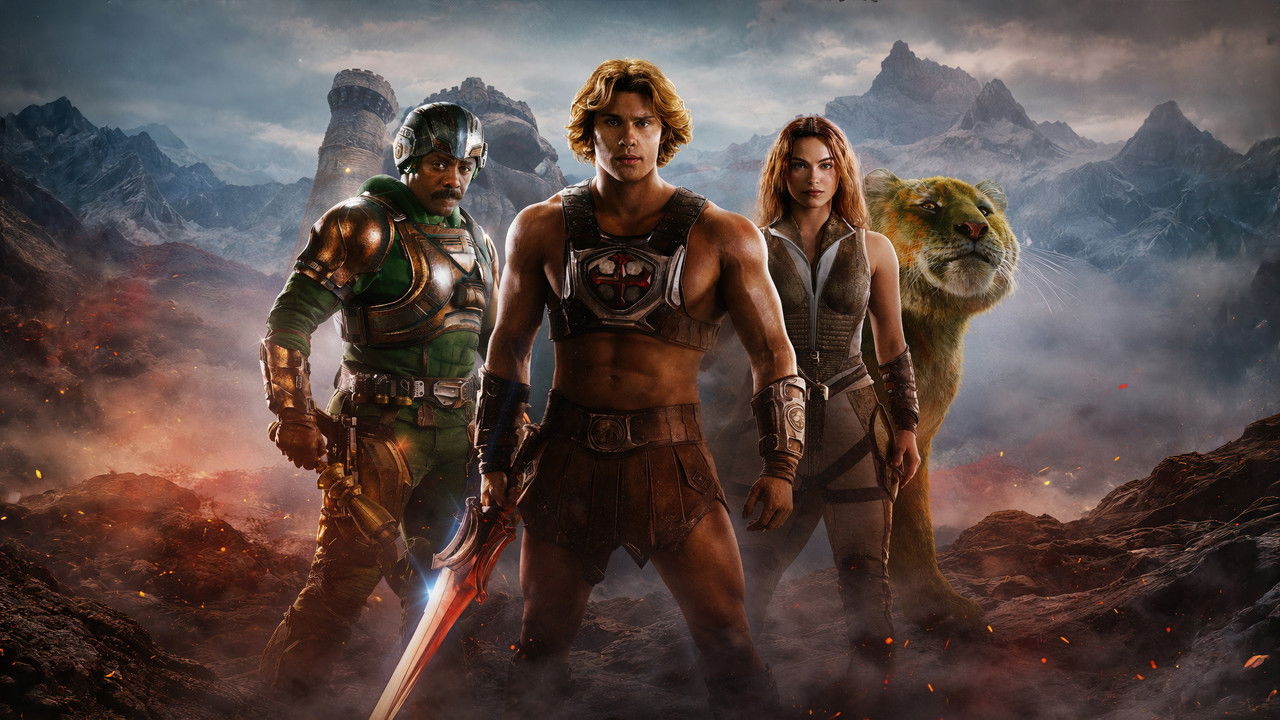
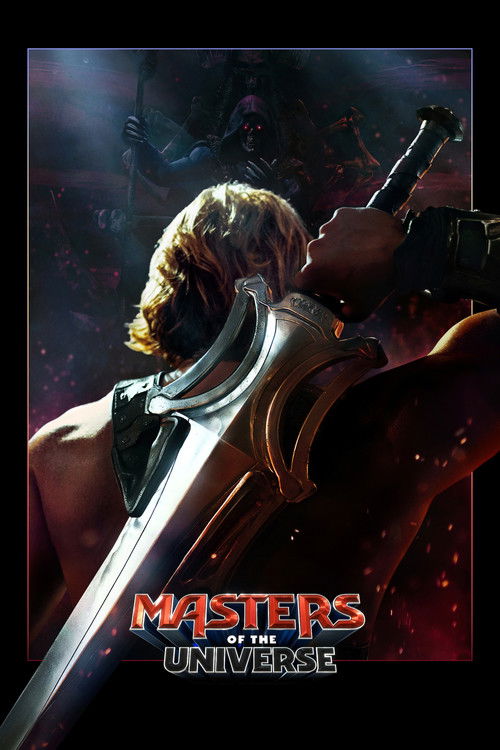
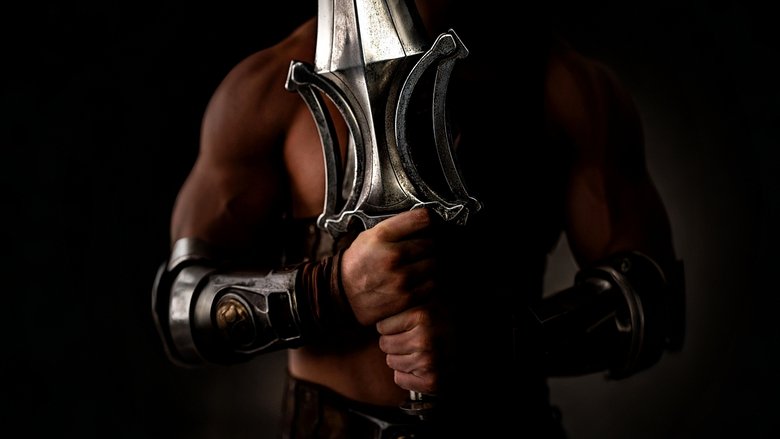
The narrative brilliance lies in the script’s central deviation: the "15-year separation." By casting Prince Adam (Nicholas Galitzine) not as a pampered royal but as a refugee returning to a shattered home, the film allows Galitzine to play something far more complex than a gym rat. He brings a fragility to Adam that makes his transformation into He-Man feel like a sacrifice rather than a power-up. The physical transformation is there, yes, but it is the emotional cost of wielding the sword that anchors the film. He is a stranger in a strange land, forced to wear the face of a god to save a family he barely remembers.
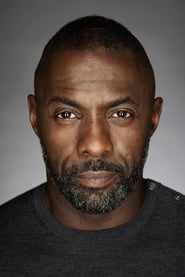
This emotional gravity is tethered by the supporting cast, particularly Idris Elba as Duncan (Man-At-Arms). Elba provides the weary, battle-hardened soul of the resistance, a man whose loyalty has cost him everything. His scenes with Galitzine are the film’s quiet engine, grounding the high-fantasy concepts in the recognizable pain of a broken family trying to mend itself. Camila Mendes’ Teela, meanwhile, avoids the "strong female character" trope by allowing her resentment of Adam’s absence to fuel her arc; she isn't just a warrior, she is a survivor of the regime that broke their world.
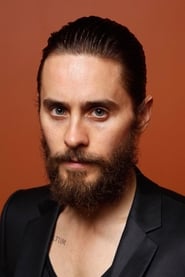
Of course, a myth is only as good as its monster. Jared Leto’s Skeletor is a performance of slithering, Shakespearean menace. Leto, often guilty of over-indulgence, finds the perfect frequency here, playing the villain not as a cartoon cackle, but as a creature of pure, nihilistic vanity. His rule over Eternia feels suffocating, raising the stakes beyond mere "bad guy" theatrics.
*Masters of the Universe* succeeds because it refuses to wink at the audience. It embraces the weirdness of its lore with sincerity, understanding that for a generation of children, these plastic figures were modern Greek gods. Travis Knight has delivered a blockbuster that remembers the most important part of playing with toys: the imagination that filled the gaps between the joints. It is a triumphant return to a world that feels both startlingly new and impossibly familiar.