✦ AI-generated review
The Architecture of Trauma
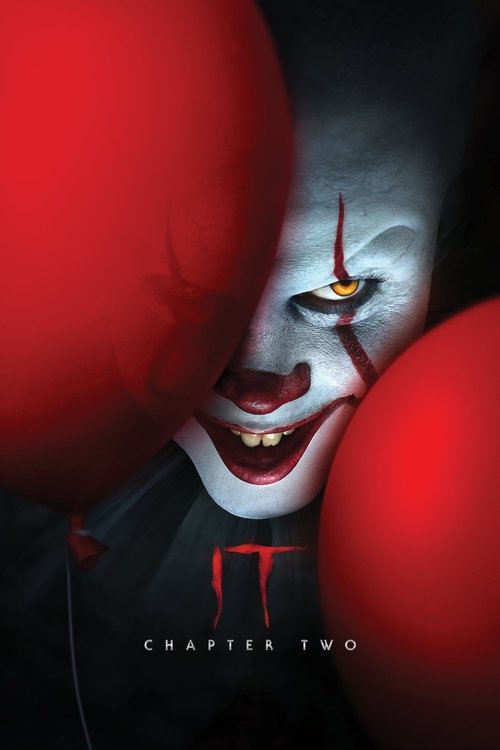
Horror cinema usually thrives in the immediate—the sudden jump, the present danger, the visceral shock. However, Andy Muschietti’s *It Chapter Two* (2019) attempts something far more cumbersome and ambitious: it tries to map the long-term geography of fear. As the concluding half of the adaptation of Stephen King’s 1,100-page opus, this film is less a creature feature and more a sprawling, messy meditation on how the wounds of childhood metastasize into the neuroses of adulthood. If the 2017 predecessor was a tight, nostalgic sprint through the terrors of puberty, this sequel is a marathon through the heavy, fog-laden landscape of repressed memory.
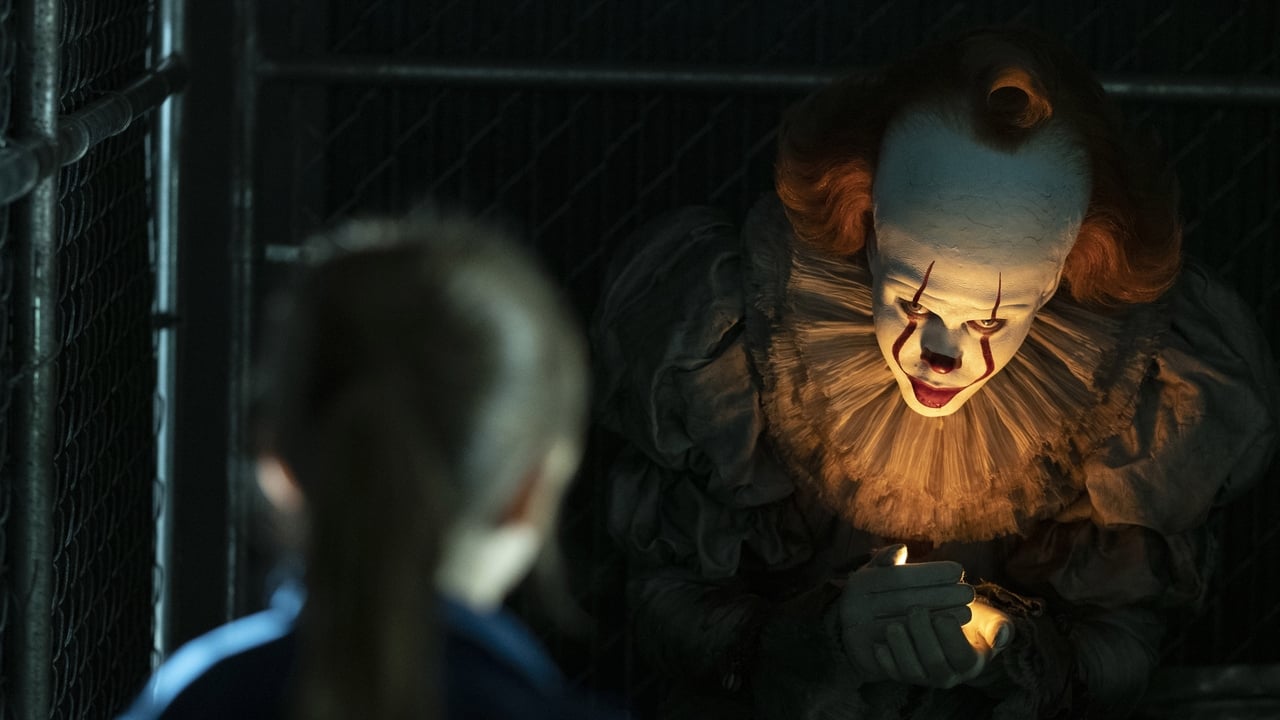
Muschietti’s visual language in this chapter shifts from the sun-drenched, Spielbergian intimacy of the first film to a grander, more suffocating scale. The director employs clever, albeit sometimes flashy, match cuts to bridge the twenty-seven-year gap—a puzzle piece turning into a missing poster, a balloon transitioning into a bridge—visually arguing that for the Losers' Club, the past is not behind them; it is overlaid directly atop their present. The film’s aesthetic is polished, perhaps to a fault. The CGI-heavy manifestations of Pennywise often lack the tactile grit of the practical effects used in the 80s or 90s, creating a spectacle that occasionally distances the viewer rather than drawing them in. The horror here feels architectural, built up with massive set pieces like the hallucinogenic Hall of Mirrors, yet it is often less terrifying than it is exhausting.
The film’s true pulse, therefore, is not found in the jump scares, but in the tragic assembly of its cast. The scene at the Chinese restaurant, where the estranged friends reunite, is the film’s emotional anchor. It is here that we see the devastation of time. Muschietti allows the camera to linger on the awkward silences and the forced laughter, highlighting the tragedy of friends who have forgotten they love each other.
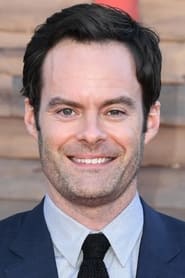
Amidst a formidable ensemble, Bill Hader’s portrayal of Richie Tozier is the film’s shattered heart. Hader does not simply play the "comic relief"; he weaponizes humor as a desperate shield against terror. His performance adds a layer of devastating subtext regarding sexuality and self-loathing that elevates the material above standard slasher fare. When the narrative threatens to collapse under its own nearly three-hour runtime, it is Hader’s trembling vulnerability that holds the structure together.
Ultimately, *It Chapter Two* is a film at war with itself. It struggles to balance the campy tone of a carnival funhouse with the grave seriousness of a trauma drama. The pacing stumbles, and the literal "bullying" of the entity in the climax may feel metaphysically underwhelming to some. Yet, as a conclusion to a cinematic event, it succeeds in articulating a poignant truth: that we do not kill our demons by fighting them, but by denying them the power to define us. It is a bloated, imperfect, but deeply human conclusion to a story about the courage required simply to remember.