✦ AI-generated review
The Architecture of a Scream
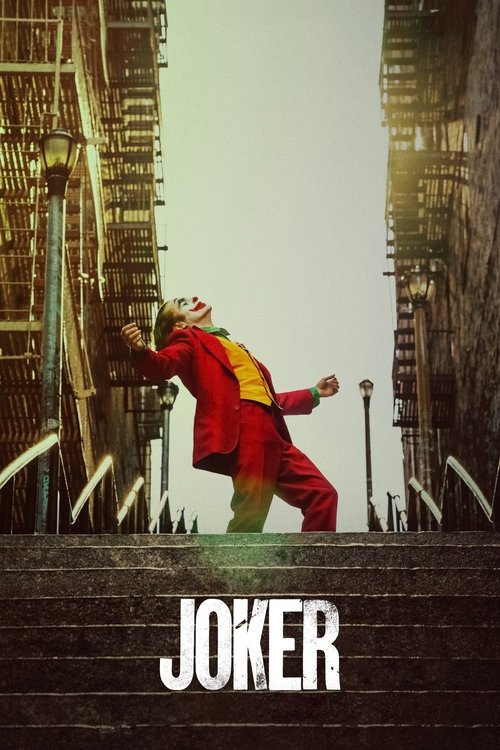
In 2019, Todd Phillips—a director previously synonymous with the frat-boy hedonism of *The Hangover*—delivered a film that felt less like a comic book adaptation and more like a Molotov cocktail thrown through the window of polite society. *Joker* is an anomaly. It is a blockbuster that rejects the sanitized, quip-heavy formula of modern superhero cinema in favor of a grim, suffocating character study that owes more to the New Hollywood grit of the 1970s than to DC Comics lore. It is a film that demands we look not at a supervillain, but at a broken man drowning in plain sight.
Visually, Phillips and cinematographer Lawrence Sher construct a Gotham City that smells of stale smoke and uncollected garbage. The palette is dominated by bruised purples, sickly greens, and sodium-vapor yellows—colors that suggest infection rather than vibrancy. This 1981 version of Gotham is not a gothic fantasy; it is a decaying urban nightmare where funding for social services is slashed and empathy is in short supply. The film’s sonic landscape, driven by Hildur Guðnadóttir’s haunting, cello-heavy score, mirrors this decay. The music doesn’t just accompany the scenes; it seems to weep for Arthur Fleck even when the audience cannot.
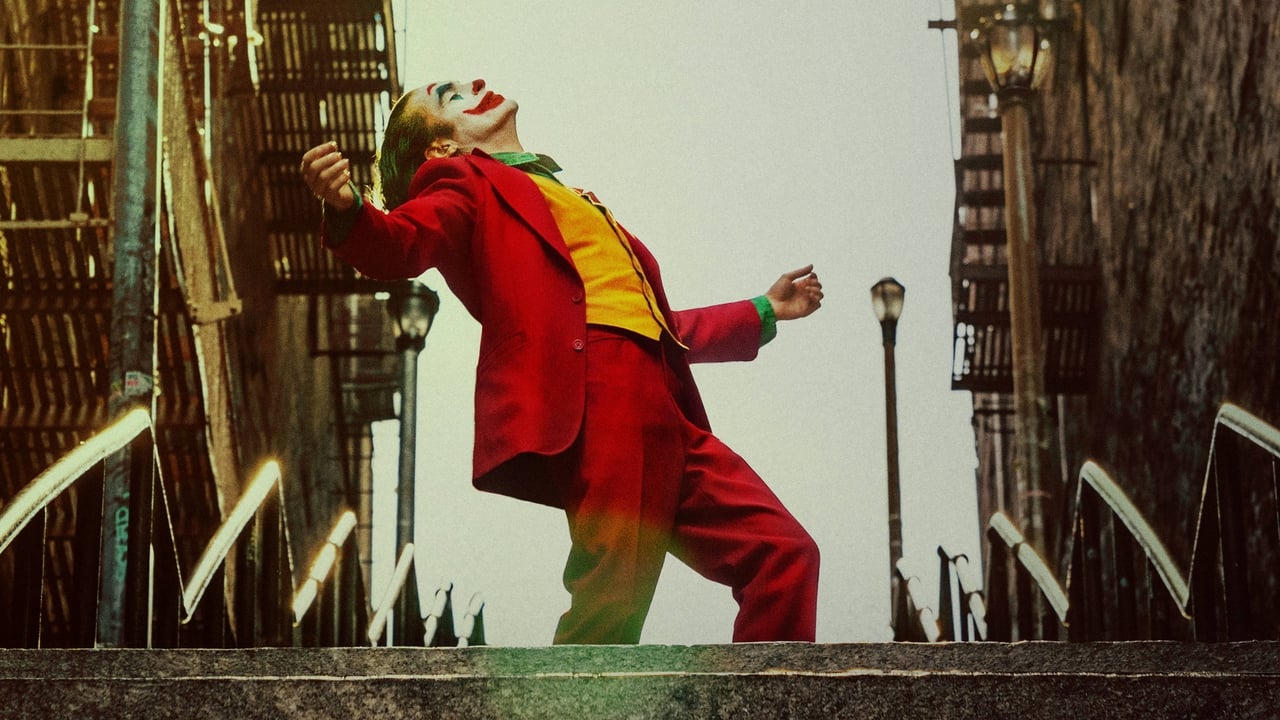
At the center of this rot is Joaquin Phoenix, giving a performance of terrifying physicality. He does not play Arthur Fleck; he contorts himself into him. With a skeletal frame that looks as if it were carved from anxiety and malnutrition, Phoenix creates a character whose very existence is painful. His pathological laughter—a condition known as pseudobulbar affect—is not a sign of joy but a choking hazard, a spasm of misery that isolates him further. We watch him try to suppress it, hands choking his own throat, tears streaming down his face, in a desperate attempt to adhere to social norms that have already rejected him.
The film’s brilliance lies in its silence. The most discussed scene is not an explosion or a heist, but a moment of quiet improvisation in a public restroom. After committing his first act of lethal violence on a subway train, Arthur does not flee in panic. Instead, he retreats to a dirty bathroom and begins a slow, Tai Chi-like dance. It is a grotesque ballet of becoming. In this moment, the stammering, victimized Arthur begins to shed his skin, and the entity known as "Joker" begins to take the lead. It is a terrifying metamorphosis, communicated entirely through the movement of Phoenix’s emaciated limbs.
Critics often debated whether *Joker* was a dangerous manifesto for the disaffected or a mirror held up to a cruel system. To view it merely as an "incel fantasy" is to miss the tragedy at its core. The film is a condemnation of a world that ignores the vulnerable until they become the villain. When Arthur finally sits on the couch of his idol, talk show host Murray Franklin (played with cynical perfection by Robert De Niro), the ensuing violence feels inevitable not because Arthur is a mastermind, but because he is a wound that has been allowed to fester.
*Joker* is ultimately a tragedy of neglect. It strips away the glamour of the supervillain to reveal the pathetic, lonely human underneath. It forces us to ask uncomfortable questions about what we find funny, who we choose to ignore, and the catastrophic cost of a society that laughs at pain.