✦ AI-generated review
The Burden of Gravity
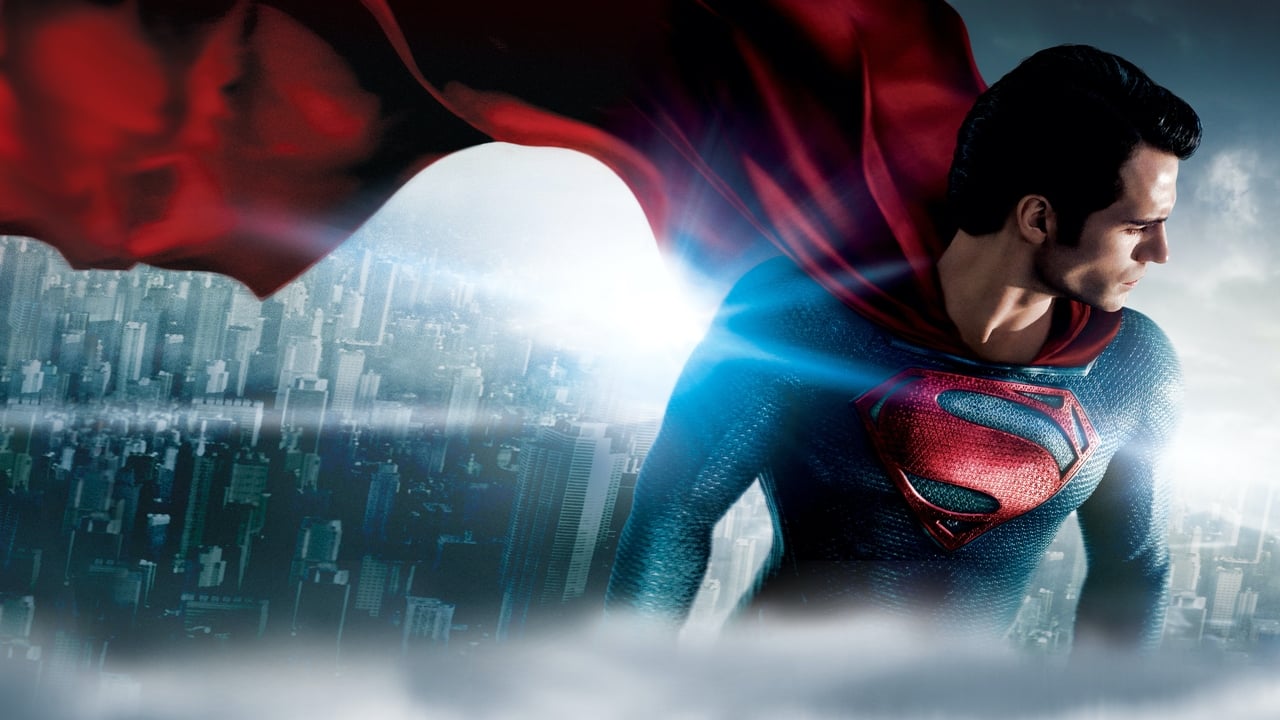
For decades, Superman was defined by a smile. He was the winking boy scout of the Donner era, a figure of effortless virtue who caught falling helicopters with the casual grace of a center fielder. But in 2013, Zack Snyder looked at the Man of Steel and asked a question that modern cinema had been too polite to pose: *What if the arrival of a god wasn’t a miracle, but a terrifying geopolitical crisis?*
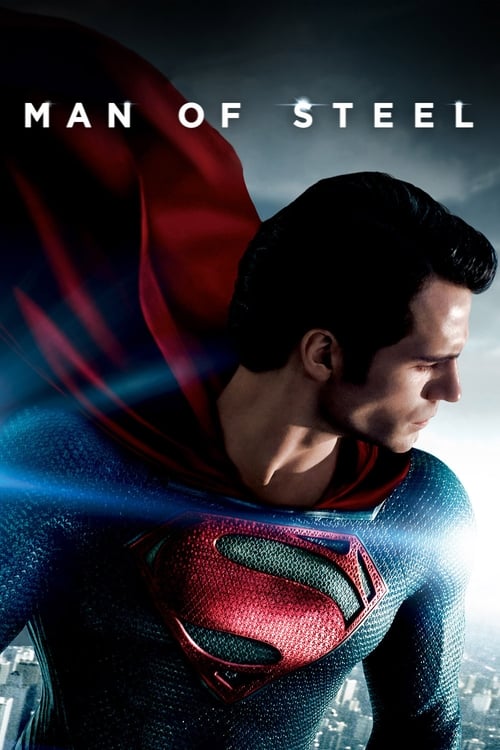
"Man of Steel" is less a superhero movie and more a first-contact sci-fi disaster film. It strips away the phone booths and the John Williams fanfare, replacing them with a somber, granular look at what it actually means to be the "other." Snyder, often criticized for style over substance, here utilizes his visual excesses to create a suffocating sense of reality. The film’s aesthetic is not the glossy sheen of the Marvel machine; it is handheld, shaky, and gray. Snyder and cinematographer Amir Mokri use snap-zooms and documentary-style framing to suggest we are witnessing raw footage of an event too big for the camera to capture. When Superman flies, he doesn’t just glide; he breaks the sound barrier with a violence that shatters glass. The world feels heavy, and gravity—both physical and emotional—is the antagonist.
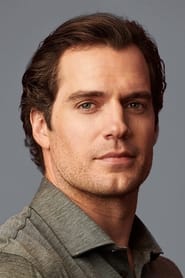
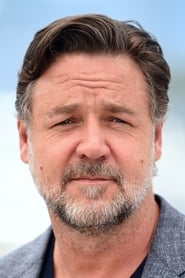
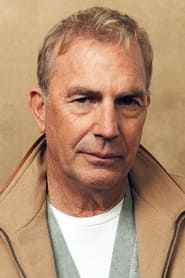
At its heart, this is a story about the trauma of dual identity. Henry Cavill’s Clark Kent is not a bumbling reporter in disguise; he is a drifter, a ghost haunting the fringes of humanity because he is terrified of his own potential. The script, heavily influenced by producer Christopher Nolan, positions Clark between two fathers who offer conflicting, impossible burdens. Jor-El (Russell Crowe) preaches a messianic destiny of hope, while Jonathan Kent (Kevin Costner) preaches a gospel of survivalist fear.
This conflict crystallizes in the film’s most divisive moment: the tornado scene. When Jonathan Kent raises his hand to stop Clark from saving him, choosing death over the exposure of his son’s secret, it is a shocking subversion of the genre. It suggests that in a cynical world, the safety of the individual might outweigh the moral imperative to act. It teaches Clark a brutal lesson: heroism has a cost. This is not the easy altruism of the comic books; it is a painful, paralyzed restraint.
The film’s climax—the leveling of Metropolis—remains a point of contention. Critics argued that the wanton destruction betrayed the character’s core of protection. Yet, within Snyder’s operatic framework, this devastation is the point. The clash between Superman and Zod is not a fistfight; it is a war between deities who have turned a city into mere cardboard. The violence is uncomfortable, loud, and tragic, forcing the audience to grapple with the collateral damage of super-beings. When Superman is forced to snap Zod’s neck, the ensuing scream is not one of victory, but of a soul fracturing. It is the birth of his moral code, forged not in idealism, but in the trauma of having no other choice.
"Man of Steel" is imperfect. It is often cold, self-serious, and relentlessly loud. However, it remains a singular, audacious piece of myth-making. It dares to suggest that the "S" on the chest stands for Hope not because the world is good, but because it is terrified, and it needs something—anything—to look up to in the dust.