The Intimacy of ExtinctionThere is a specific, sinking dread that defines the modern disaster film, a genre that has largely migrated from the triumphant spectacle of the 1990s to something far more neurotic. If Roland Emmerich’s *Independence Day* was about the world coming together to punch an alien in the face, Ric Roman Waugh’s *Greenland* is about the world falling apart while a father tries to find his son’s insulin. It is a film that understands that the true horror of the apocalypse isn't the fire in the sky, but the silence of a neighbor who realizes you have been "selected" for survival and they have not.
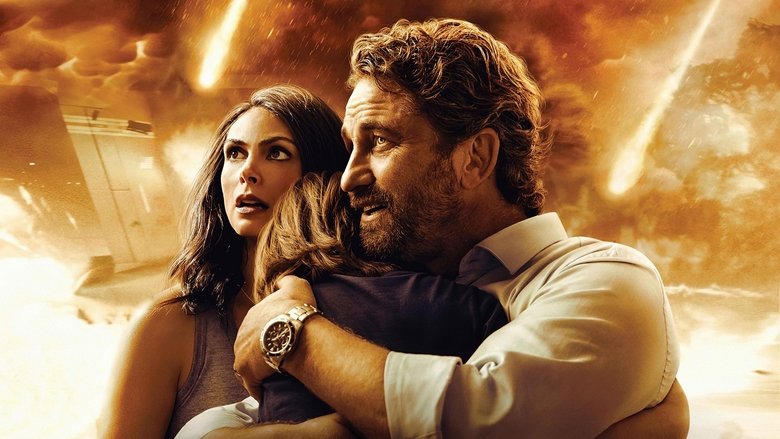
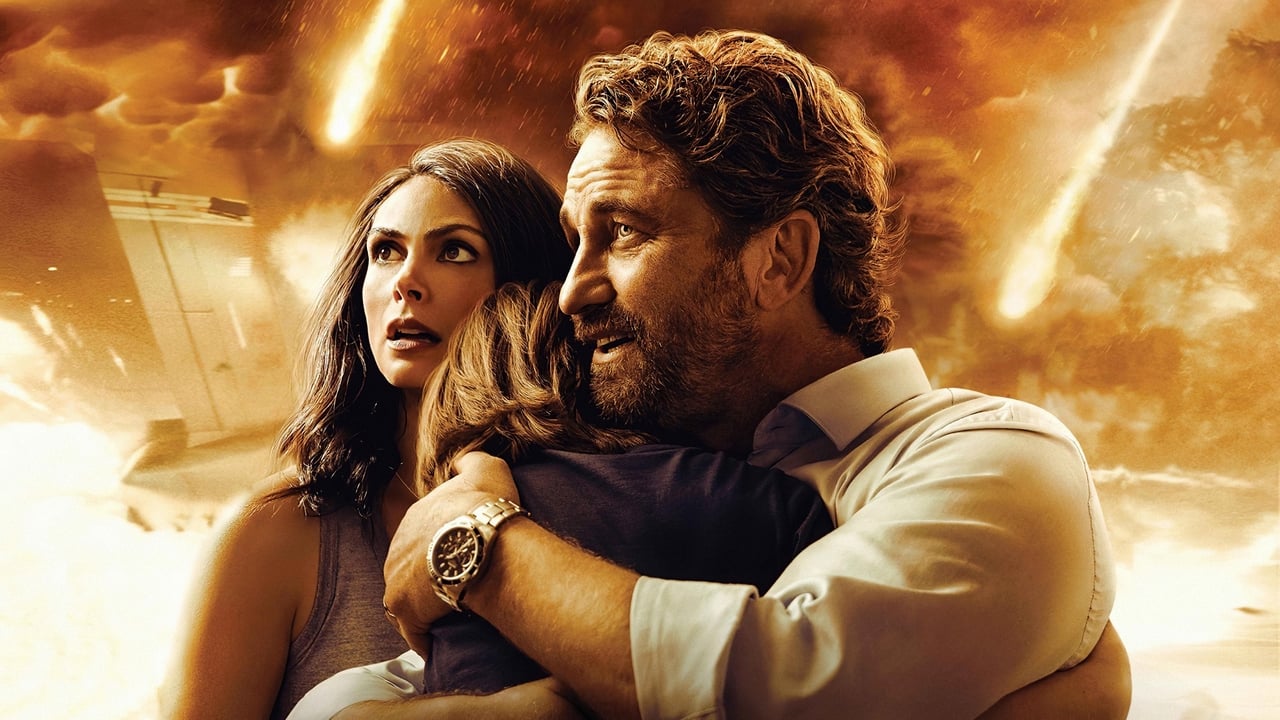
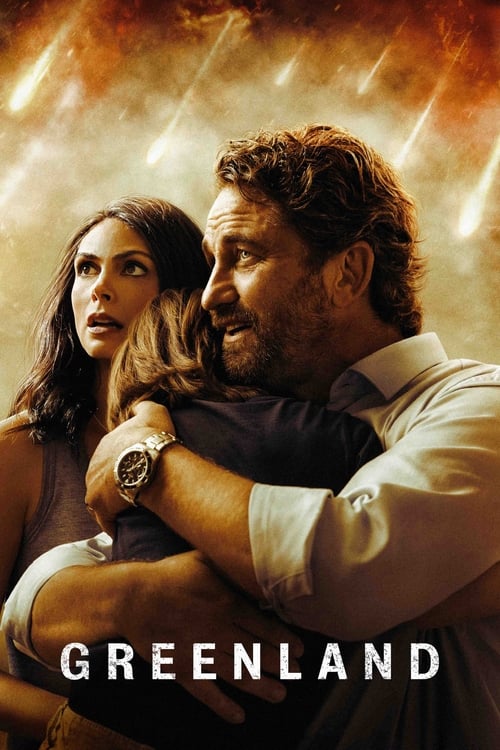
Waugh, reteaming with Gerard Butler after *Angel Has Fallen*, pulls off a cinematic sleight of hand. He takes an actor synonymous with B-movie bravado—the man who shouted "This is Sparta!" and single-handedly saved the White House twice—and strips him of his superpowers. Butler’s John Garrity is not a secret agent or a scientist; he is a structural engineer with a crumbling marriage and a shaky moral compass. By shrinking the scope of the end times down to the dashboard of a single SUV, Waugh creates a suffocating sense of reality. The visual language here is not the glossy, wide-angle destruction of *2012*; it is handheld, frantic, and claustrophobic. The comet, named "Clarke," is often relegated to the background—a beautiful, terrifying streak of diverse colors illuminating the highway—while the camera focuses intently on the sweat on Butler's brow or the trembling hands of his wife, Allison (Morena Baccarin).
The film’s most terrifying special effect is not a CGI impact crater, but a QR code on a smartphone screen. The narrative engine is fueled by a bureaucratic nightmare: the government has algorithms to decide who is worth saving. When John receives the "Presidential Alert" inviting his family to a secure bunker, the film brilliantly pivots from disaster epic to a social horror story. We witness the disintegration of the social contract in real-time. The scenes at the military airfield, where desperate families are separated by chain-link fences and soldiers are forced to enforce an arbitrary algorithm of life and death, evoke a visceral anxiety that feels uncomfortably relevant to our current era of crises.
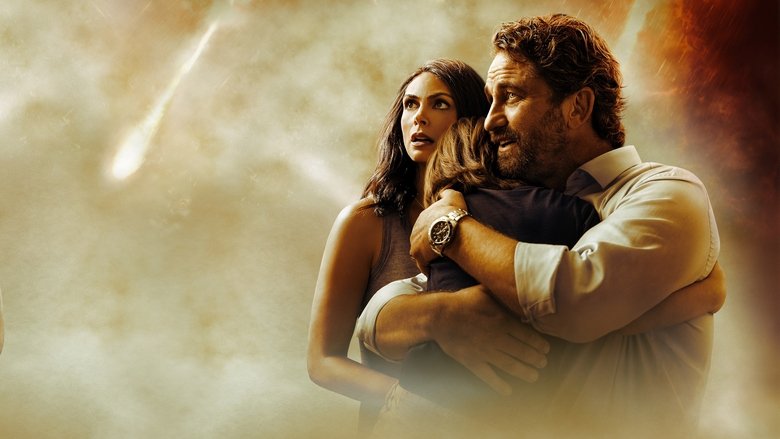
At its heart, *Greenland* is a parable about fragility. The screenplay, written by Chris Sparling, introduces a crucial complication: the couple’s son is diabetic. In a lesser film, this would be a cheap plot device to add a ticking clock. Here, it serves as a potent metaphor for human vulnerability. The insulin kit becomes a holy grail, a symbol of the fragile thread keeping the family tethered to life. This narrative choice forces the characters to rely on the kindness of strangers, leading to encounters that are as harrowing as they are heartbreaking. We see the best of humanity in a truck bed ride with strangers, and the absolute worst in a desperate roadside hijacking.
Butler delivers a performance of surprising restraint, but it is Morena Baccarin who provides the film’s emotional ballast. Her journey is not merely about survival; it is about the primal, feral panic of a mother separated from her child. The sequences where she navigates the chaos alone are played with a terrifying intensity that elevates the material above its genre trappings. The tension between John and Allison—their pre-existing marital estrangement—adds a layer of tragedy. They are fighting to save a family unit that was already broken, suggesting that the apocalypse is merely an external manifestation of their internal collapse.
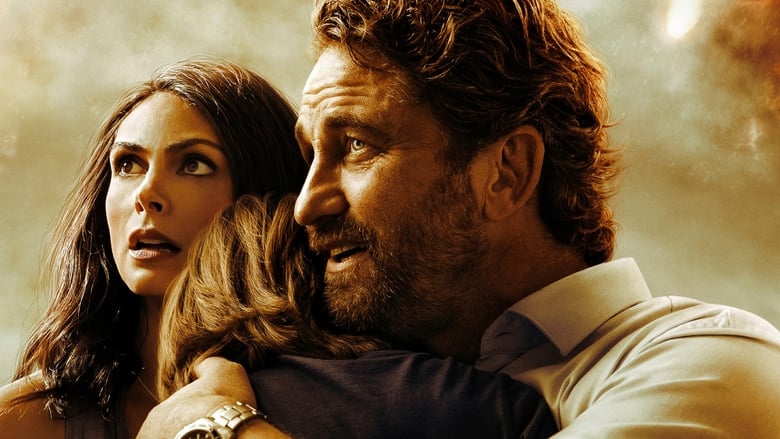
Ultimately, *Greenland* succeeds because it refuses to revel in its own destruction. There are no cheering crowds in mission control, no slow-motion shots of landmarks exploding for our amusement. The destruction of the planet is treated as a tragedy, not a firework show. It is a grim, muscular piece of filmmaking that asks an uncomfortable question: when the sky falls, who do we become? In answering, Waugh delivers a disaster film that feels less like a ride and more like a warning, grounding the fantastical end of the world in the terrifyingly familiar anxieties of the present.