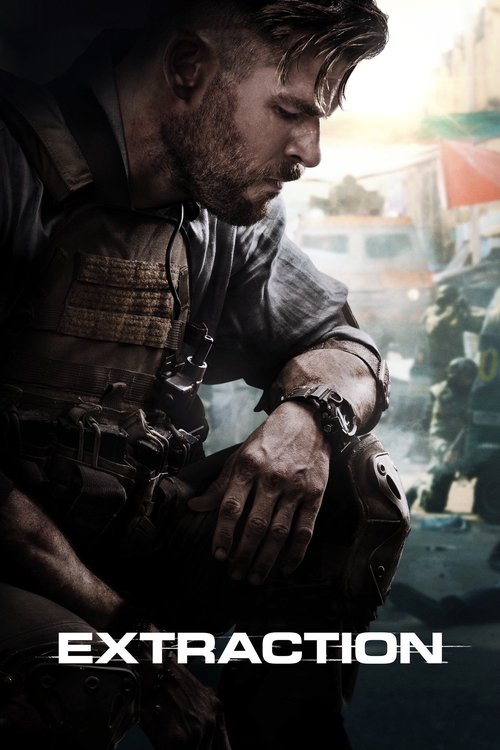
The Ballet of BulletsIn the modern lexicon of action cinema, there exists a distinct bifurcation: the glossy, weightless CGI spectacles that dominate the multiplex, and the bruising, bone-crunching kineticism that demands we feel every impact. *Extraction* (2020), the directorial debut of veteran stunt coordinator Sam Hargrave, firmly plants its flag in the latter camp. While it arrives with the pedigree of the Marvel machine—produced by the Russo brothers and starring Chris Hemsworth—it sheds the spandex for a tactical vest, delivering a film that is less about saving the universe and more about the dirty, exhausting mechanics of saving one life. It is a film that asks not if a hero can fly, but how much punishment a human body can endure before it breaks.
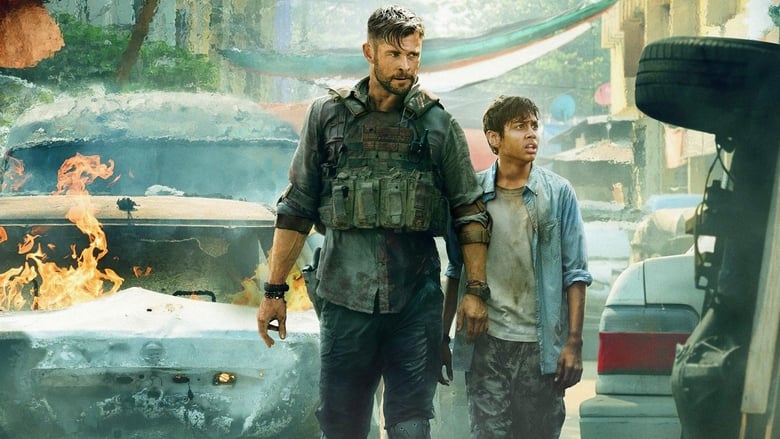
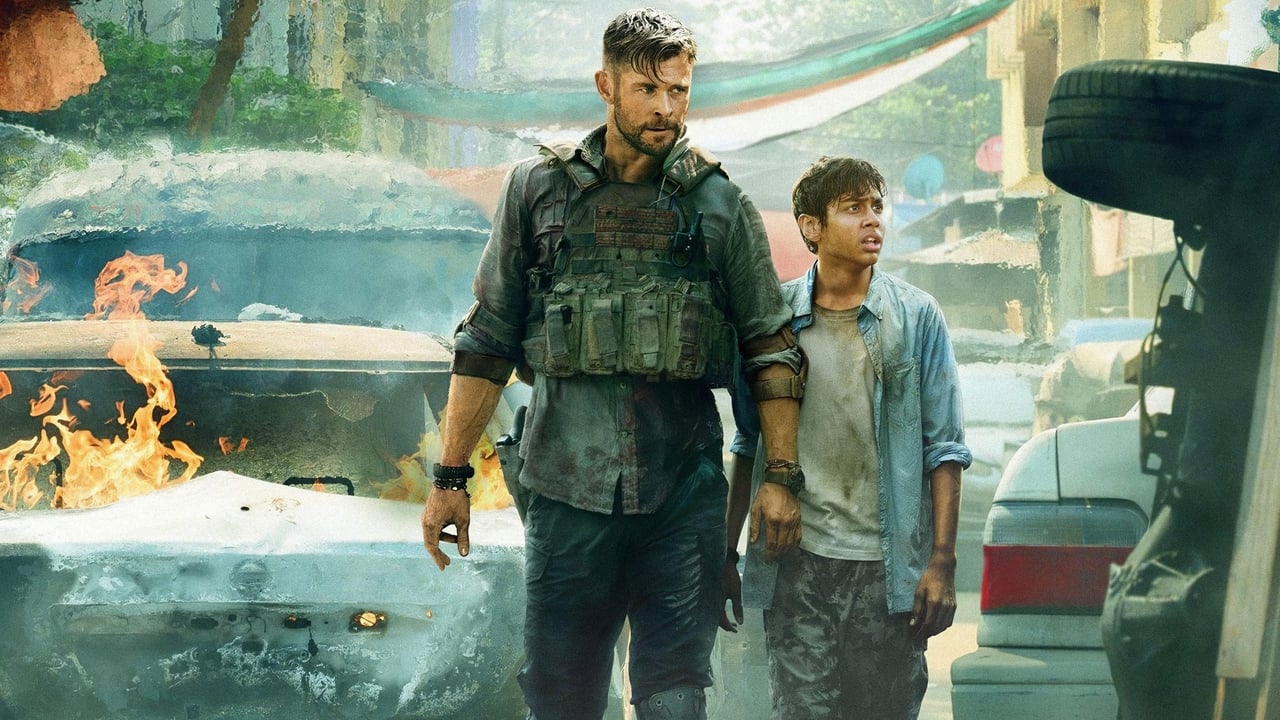
Hargrave’s visual language is aggressive and participatory. He does not merely observe the violence; he embeds the audience within it. The film’s centerpiece—a widely discussed 12-minute "oner" that stitches together a car chase, a foot pursuit, and a knife fight through the cramped tenements of Dhaka—is a technical marvel, yes, but it serves a narrative purpose beyond showing off. By refusing to cut, Hargrave denies the viewer a breath. We are trapped in the claustrophobic humidity of Bangladesh with Tyler Rake (Hemsworth) and his young charge, Ovi (Rudhraksh Jaiswal). The camera handoff from the backseat of a spinning Mercedes to a rooftop leap creates a fluid continuity of danger. It transforms the action from a series of cool moments into a singular, exhausting ordeal.
However, the film is not without its clumsy strokes. The script, adapted from the graphic novel *Ciudad*, often struggles to support the weight of its own solemnity. The narrative beats—a grieving father seeking redemption, a drug lord’s son used as a pawn—are familiar, almost ancient tropes of the genre. There is also a valid conversation to be had about the "yellow filter" often applied to depictions of the Global South in Western cinema, a visual shorthand that *Extraction* indulges in heavily. The ochre haze that hangs over Dhaka adds texture, but it also exoticizes the setting, turning a living city into a stylized circle of hell for the protagonist’s penance.
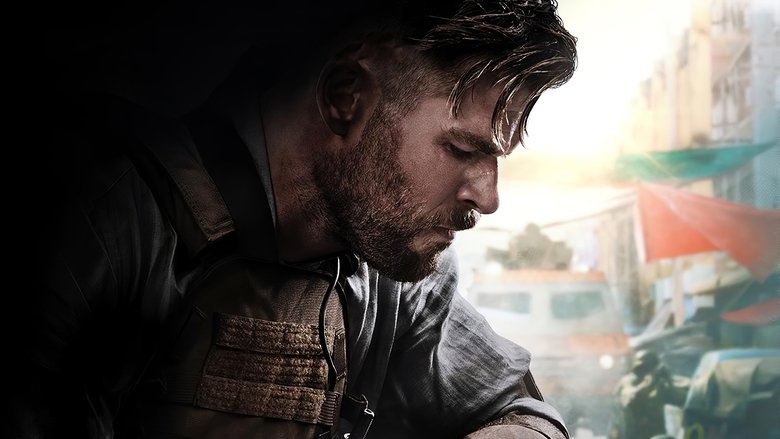
Yet, beneath the gunfire and the grime, there is a surprising tenderness in Hemsworth’s performance. Stripped of his Asgardian charm and comedic timing, he plays Rake as a man who is already dead, merely waiting for his body to catch up. His relationship with Ovi is the film’s fragile heartbeat. In the quiet moments between the cacophony, Hemsworth conveys a profound weariness that elevates the material. He is not fighting because he believes he is a hero; he is fighting because it is the only language he has left. The physical toll of the film—the bloodshot eyes, the limp that worsens as the runtime progresses—serves as an external map of his internal grief.
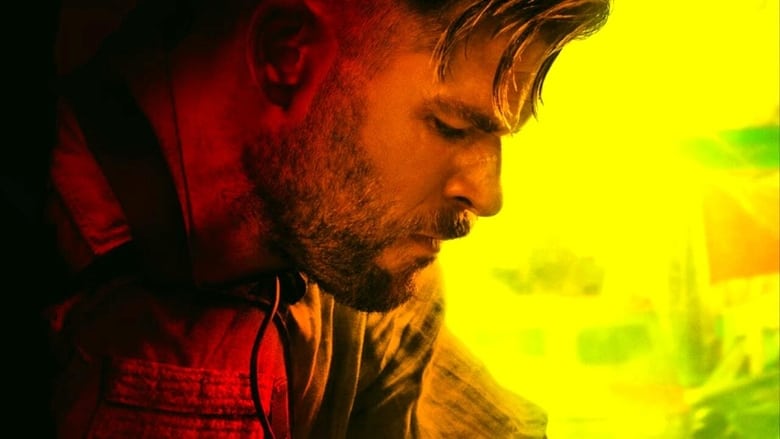
Ultimately, *Extraction* stands as a testament to the artistry of stunt work. In an era where action is often rendered in a computer, Hargrave reminds us of the visceral power of practical effects and human choreography. It is a film that prioritizes motion over emotion, perhaps, but in its most frantic moments, it achieves a kind of violent poetry. It may not rewrite the genre, but it executes its requirements with a lethal, uncompromising precision that is impossible to look away from.