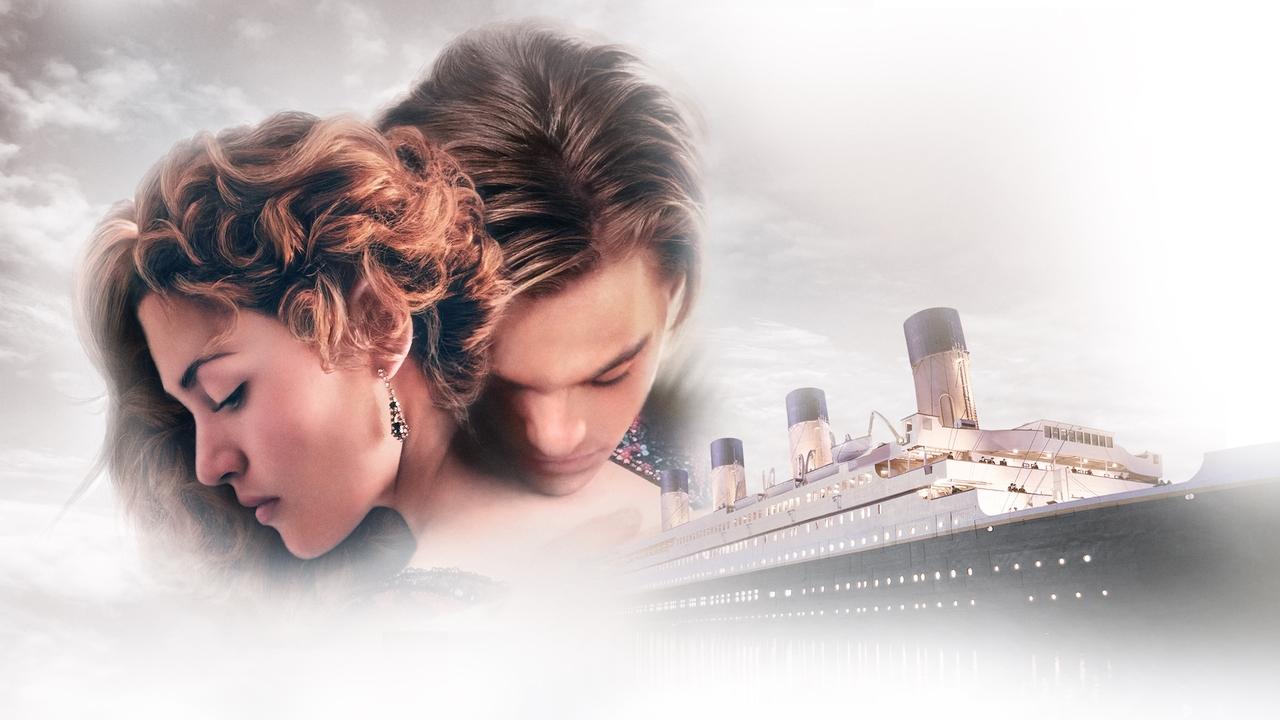
Titanic backdrop
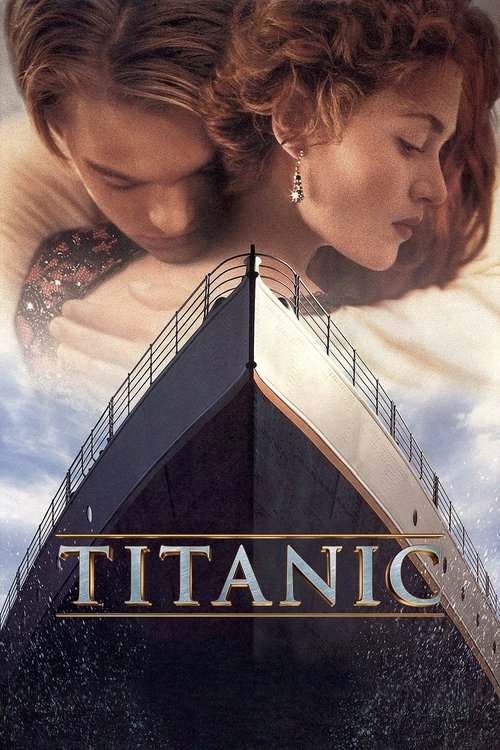
Titanic poster

Titanic

“Nothing on earth could come between them.”

7.9
1997
3h 14m
DramaRomance
Director: James Cameron
Watch on Netflix

Overview

101-year-old Rose DeWitt Bukater tells the story of her life aboard the Titanic, 84 years later. A young Rose boards the ship with her mother and fiancé. Meanwhile, Jack Dawson and Fabrizio De Rossi win third-class tickets aboard the ship. Rose tells the whole story from Titanic's departure through to its death—on its first and last voyage—on April 15, 1912.

Trailer

25th Anniversary UK Trailer [Audio Described] Official

Cast

Reviews

AI-generated review
The Architecture of Awe

It is easy, perhaps too easy, to view James Cameron’s *Titanic* (1997) through the cynical lens of hindsight. For years, the discourse surrounding the film has been reduced to trivialities: the physics of a floating door, the ubiquity of Celine Dion’s ballad, or the sheer ubiquity of its box office dominance. Yet, to dismiss *Titanic* as merely a pop-culture monolith is to ignore the distinct, almost extinct species of filmmaking it represents. It is a film that operates without irony, a melodrama so committed to its own emotional grandeur that it forces the viewer to surrender their skepticism at the gangway. In an era of cinema defined by self-aware deconstruction, *Titanic* stands as a monument to the power of earnestness.

Cameron, a director frequently characterized as a technician first and an artist second, here synthesizes his two obsessions: the mechanical and the ethereal. Visually, the film is a study in crushing duality. The camera glides with fetishistic precision over the pistons of the engine room and the rivets of the hull, celebrating the industrial hubris of the Edwardian era. These scenes are loud, sweaty, and suffocatingly physical, grounding the film in a reality that makes the second half’s descent into chaos feel terrifyingly tactile. When the water finally invades the ship, it is not treated as a special effect, but as a character—a cold, indifferent antagonist swallowing the golden, electric warmth of the ship’s interiors. The transition from the warm ambers of the dining saloon to the sterile, freezing blues of the Atlantic is a masterclass in color theory as emotional narrative.

At the center of this industrial cathedral are Jack Dawson (Leonardo DiCaprio) and Rose DeWitt Bukater (Kate Winslet). While critics often mistake their romance for a simple "rich girl, poor boy" trope, the screenplay uses them as avatars for a deeper conflict: the struggle between the rigid structures of society and the fluidity of the human spirit. Winslet’s Rose is the film’s true anchor. She is not merely a damsel but a prisoner of her class, corseted both literally and metaphorically. Jack is less a fully formed character than a catalyst—a force of nature that disrupts her static existence. The scene at the bow, often parodied, is vital not because it is romantic, but because it is the moment Rose tastes flight. For a brief second, she transcends the thousands of tons of steel beneath her feet.

The film’s framing device—the elderly Rose recounting her story to a crew of high-tech grave robbers—transforms the blockbuster into a ghost story. It recontextualizes the spectacle. The modern treasure hunters, led by Bill Paxton’s Brock Lovett, view the Titanic as an asset, a puzzle of debris to be solved. Rose forces them, and us, to see it as a graveyard of unfulfilled promises. This narrative choice suggests that the true tragedy of the Titanic was not just the loss of life, but the loss of an era’s innocence—the shattering of the belief that technology could conquer nature.

Ultimately, *Titanic* endures not because of its budget or its technical breakthroughs, but because it understands the geometry of heartbreak. It juxtaposes the largest object in the world against the intimate terror of holding onto another person’s hand in the dark. It is a film that demands we look past the iron and the ice to find the fragile, beating heart beneath. In doing so, Cameron created a requiem that is as unsinkable as the myth it deconstructs.

Clips (7)

"Iceberg, Right Ahead!"

"Spit Like a Man" Full Scene

Make Each Day Count Clip

Luckiest in the World Clip

King of the World Clip

Won't Let Go Clip

You Jump, I Jump Clip

Featurettes (12)

Rob Legato Best Visual Effects for 'Titanic,' 'Hugo,' & 'The Jungle Book' | Behind The Oscars Speech

Greeting from James Cameron

James Cameron on Directing Leonardo DiCaprio & Kate Winslet

Celine Dion on recording "My Heart Will Go On" for TITANIC

Titanic Wins Costume Design: 1998 Oscars

"Titanic" winning the Oscar® for Art Direction

"Titanic" winning the Oscar® for Cinematography

Titanic Wins Original Dramatic Score and Original Song: 1998 Oscars

Daniel Stern On TITANIC

"Titanic" winning Best Picture Oscar®

James Cameron Wins Best Director: 70th Oscars (1998)

Featurette - Physical Shoot

Behind the Scenes (3)

See how they brought the flooding of the Titanic to life on the big screen!

Titanic: 25th Anniversary Exclusive! Behind The Scenes w/ Kate Winslet and James Cameron

Reflections

LN
Latest Netflix

Discover the latest movies and series available on Netflix. Updated daily with trending content.

About

  • AI Policy
  • This is a fan-made discovery platform.
  • Netflix is a registered trademark of Netflix, Inc.

© 2026 Latest Netflix. All rights reserved.