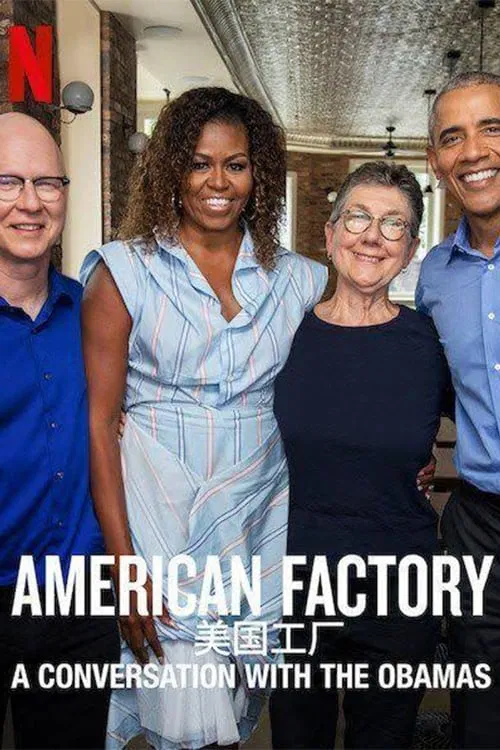
The Architecture of EmpathyIf the documentary *American Factory* is a brutalist structure of steel, glass, and shattered labor expectations, then its companion piece, *American Factory: A Conversation with the Obamas*, is the soft, warm lighting installed within the lobby to make the building habitable. Directed by Yoruba Richen, this ten-minute short film is less a traditional "making-of" featurette and more a manifesto for a post-presidential afterlife. It marks the moment Barack and Michelle Obama transitioned from architects of policy to curators of culture, utilizing their production company, Higher Ground, to argue that the camera lens can be as powerful a tool for democracy as the ballot box.
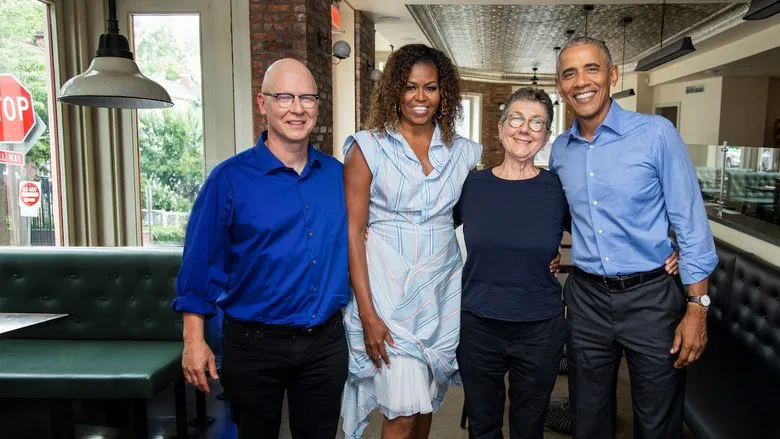
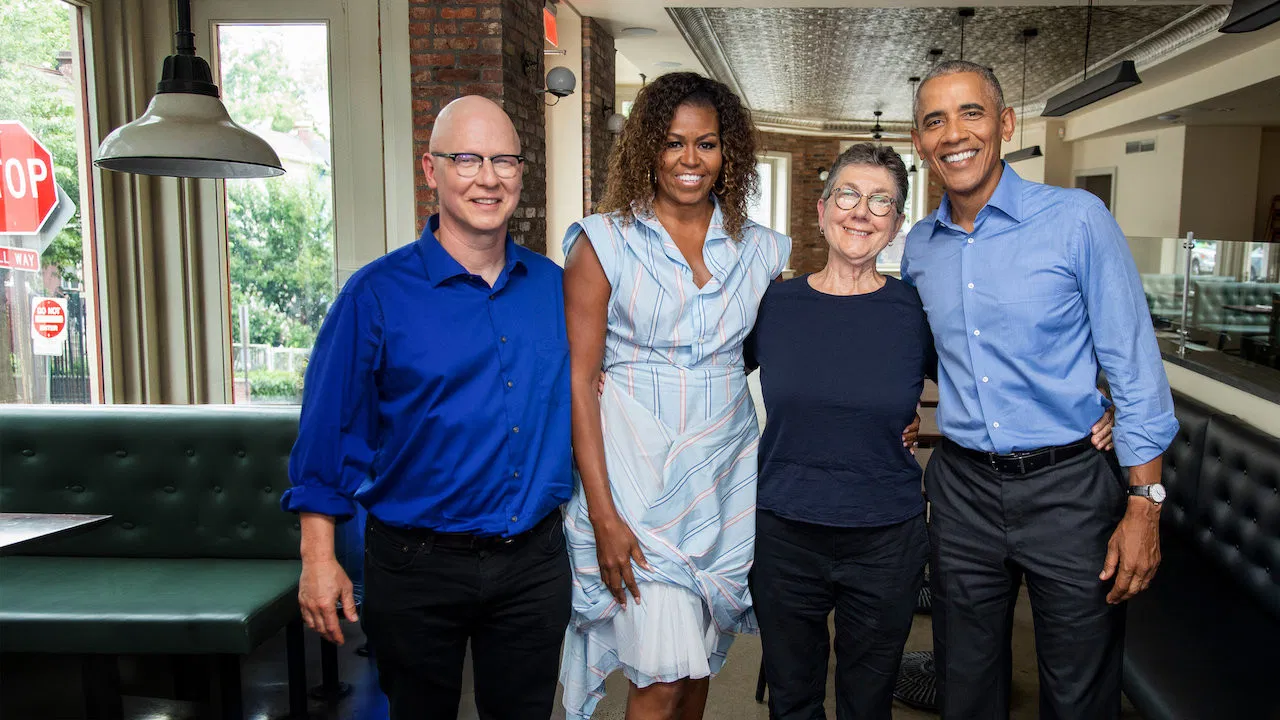
The film operates on a meta-textual level that is fascinating to deconstruct. We observe the Obamas sitting in a sun-drenched, impeccably designed room, speaking with Julia Reichert and Steven Bognar, the directors of the feature documentary. Richen’s direction here is deliberately invisible, prioritizing the intimacy of the exchange. The visual language is one of comfort and safety—a stark contrast to the deafening, fluorescent-lit factory floors of Dayton, Ohio, seen in the source material. This aesthetic choice is not merely decorative; it serves the central thesis of the conversation. The setting is designed to strip away the political noise and focus on what the former President describes as the "sacred story" within every individual.
Where the feature film documents a collision of cultures—the friction between Chinese collectivism and American individualism—this conversation attempts to synthesize that friction into a lesson on empathy. The Obamas act less like producers and more like film theorists, interrogating Reichert and Bognar on the mechanics of trust. How did they get the workers to open up? How did they remain invisible in the room? The dialogue shifts the viewer’s attention from the political implications of the factory (unions, wages, automation) to the humanistic implications of the filmmaking process itself. It suggests that the act of listening, of witnessing a worker’s daily struggle without immediate judgment, is a form of civic duty.
However, the film is not without its unintentional tensions. There is a palpable dissonance in watching two of the world's most powerful figures discuss the plight of the working class from a position of serene comfort. Yet, Richen manages to ground this by focusing on the directors, Reichert and Bognar, who represent the grittier reality of Ohio. When Bognar speaks of "giving voice to people who don't appear on screen," the film bridges the gap between the polished producers and the rough-hewn subjects. The conversation reveals that *American Factory* was chosen as Higher Ground’s first project not because it offered a solution to globalization, but because it refused to offer one.
Ultimately, *A Conversation with the Obamas* functions as a user's guide to modern documentary cinema. It argues against the didactic "issue film" and advocates for narrative ambiguity. By championing a story where there are no clear villains—only complex humans caught in the gears of macroeconomic shifts—the film posits that empathy is a prerequisite for progress. It is a brief, elegant coda that reminds us that while policies may define a nation's borders, stories define its soul.