✦ AI-generated review
The Honey and the Void
In an era where shared reality has fractured into a thousand screaming subreddits, Yorgos Lanthimos has arrived not to heal the divide, but to pour honey into the cracks and watch the ants come marching in. With *Bugonia*, a spiritual successor to the quiet menace of *Kinds of Kindness* rather than the baroque excess of *Poor Things*, Lanthimos offers a film that feels less like a narrative and more like a fever breaking. It is a work of suffocating claustrophobia that asks a terrifying question: what if the paranoid ravings of the lonely and disenfranchised are the only truth left?
The premise—a remake of Jang Joon-hwan’s cult classic *Save the Green Planet!*—is deceptively pulpy. Teddy (Jesse Plemons), a man whose soul has been eroded by grief and internet rabbit holes, kidnaps Michelle (Emma Stone), a pharmaceutical CEO he believes is an alien architect of Earth's ecological collapse. But Lanthimos, working with a script by Will Tracy, strips away the zany kinetic energy of the 2003 original. In its place, he installs a static, observational dread. Shot in high-resolution VistaVision, the film’s visual language is clinical yet intimate. The basement where Michelle is held isn't just a set; it is a meticulously arranged still life of American decay—rusted tools, sticky jars of organic matter, and the hum of fluorescent lights that seem to vibrate with Teddy’s fraying synapses.
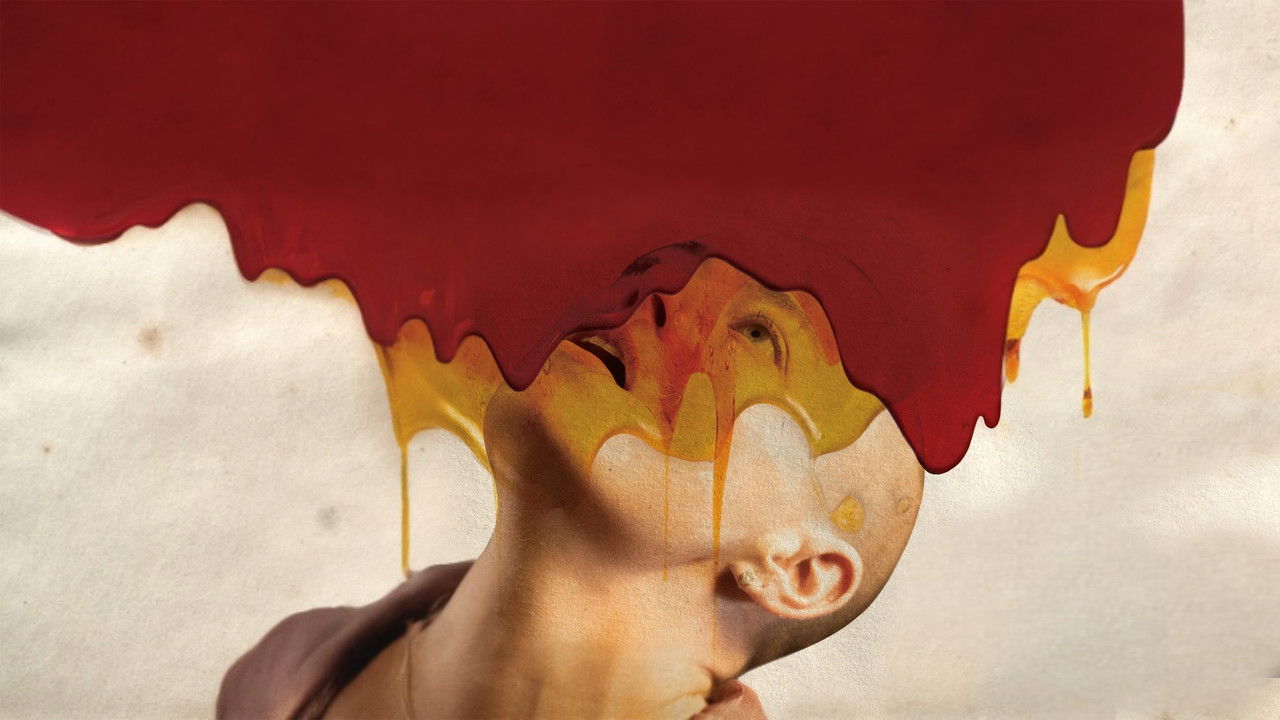
Lanthimos’s lens treats the human face like a landscape, and in Plemons, he has found his Grand Canyon. Plemons delivers a performance of tragic, damp vulnerability. He is not played as a villain, nor a hero, but as a man whose desperate search for meaning has curdled into violence. He doesn't want to hurt Michelle; he wants to *save* us, a desire that renders his brutality all the more heartbreaking. Across from him, Emma Stone is a marvel of ambiguity. Shaven-headed and covered in fluids—a visual nod to the "bugonia" myth of bees born from a carcass—she sheds the warmth of her previous roles for something reptilian and unreadable. Is she a terrified woman adopting a persona to survive, or is she truly the indifferent god Teddy fears? The film’s tension relies entirely on this oscillation.
The film’s "heart"—if one can call it that—lies in the tragedy of belief. Lanthimos explores the eco-anxiety and corporate fatigue that define our modern moment, but he refuses to offer the audience a moral life raft. The dialogue loops in absurdist circles, mimicking the echo chambers of online discourse where logic is a circular firing squad. When the film finally tips its hand in the third act, moving from psychological thriller to cosmic judgment, it doesn't feel like a twist. It feels like a sentence being passed.
*Bugonia* is likely to be divisive. It denies the viewer the catharsis of a hero’s journey or the comfort of a clear moral high ground. It suggests that our world is perhaps already a carcass, waiting for the bees to rise from it. In doing so, Lanthimos has crafted a film that is difficult to love but impossible to dismiss—a sticky, stinging reminder that in a world gone mad, the most dangerous thing isn't the alien invader, but the silence of a universe that has decided we are no longer worth saving.