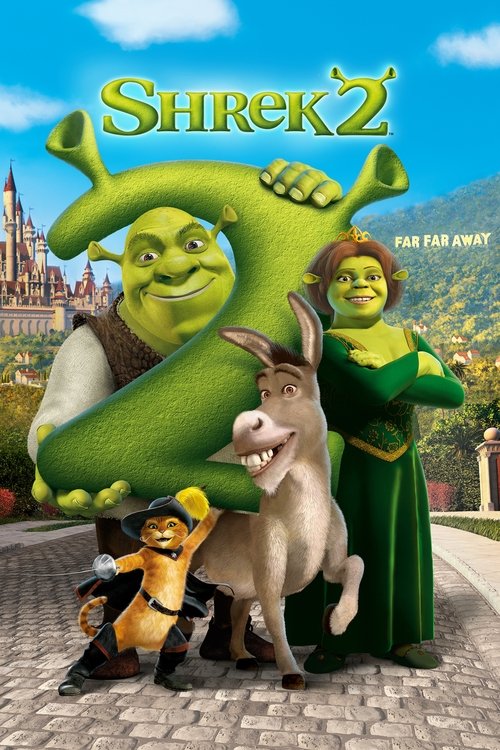
The Uncomfortable Truth of Happily Ever AfterIf the original *Shrek* (2001) was a rebellious act of vandalism against the pristine stained glass of the Disney renaissance, its 2004 successor, *Shrek 2*, is the more mature, albeit cynical, reconstruction effort. It is a rare anomaly in the landscape of animated cinema—a sequel that does not merely regurgitate the formula of its predecessor but expands its emotional vocabulary. Directors Andrew Adamson, Kelly Asbury, and Conrad Vernon understood that the most interesting part of a fairy tale is not the wedding, but the marriage. While the first film asked, "Can a monster be loved?", *Shrek 2* poses a far more jagged question: "Can a monster survive the crushing weight of societal expectation?"
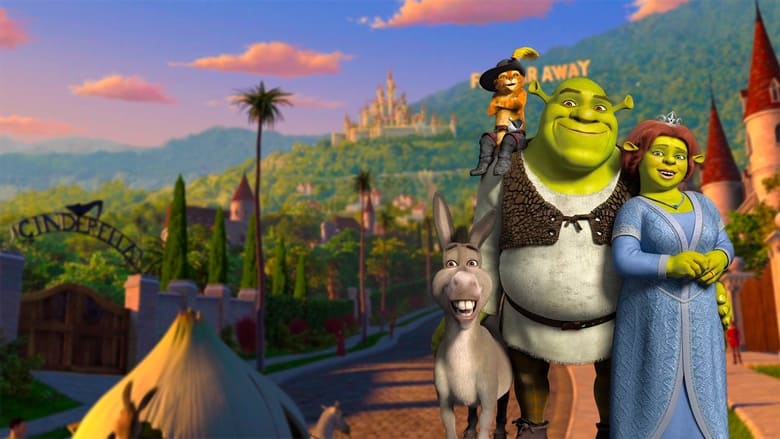
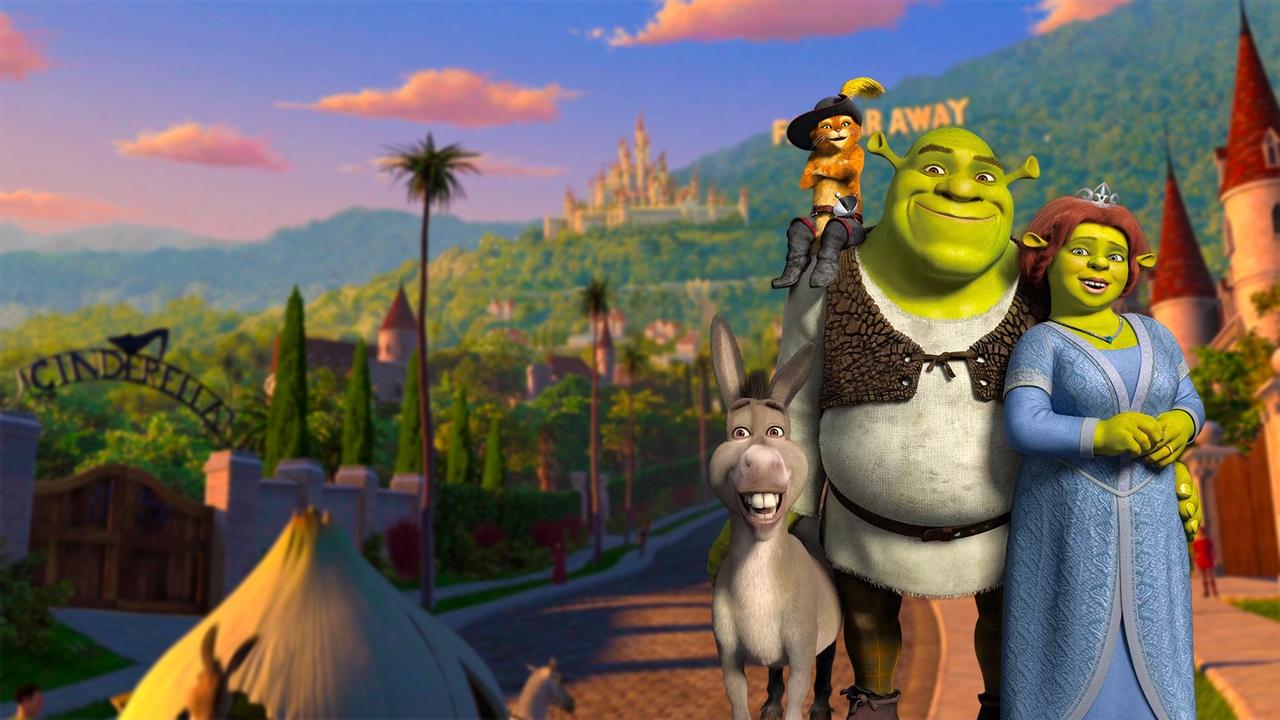
Visually, the film executes a brilliant bait-and-switch. We leave the organic, muddy warmth of the swamp for the Kingdom of Far Far Away, which is rendered not as a medieval fantasy, but as a biting satire of Beverly Hills. The animation creates a suffocating sense of polished reality; palm trees line the boulevards, and the castle looms like a gated community headquarters. This aesthetic shift is crucial. It tells us that Shrek has not just entered a new location, but a new socio-economic bracket that ostensibly rejects him. The "camera" work here mimics the paparazzi lens, emphasizing that Shrek and Fiona are no longer private lovers but public figures, subjected to the scrutiny that comes with royal assimilation.
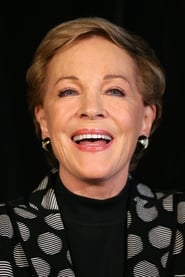
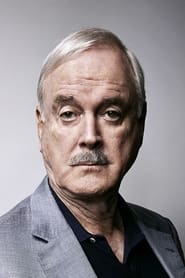
The script, arguably one of the sharpest in the DreamWorks canon, navigates this terrain by internalizing the conflict. In the first film, the dragon was a literal beast to be slain. Here, the "dragon" is Shrek’s own gnawing inadequacy. The introduction of King Harold (John Cleese) and Queen Lillian (Julie Andrews) transforms the narrative from a quest into a domestic drama. The dinner table scene, a masterclass in tension editing, plays out like *Guess Who's Coming to Dinner* painted neon green. It is painful, awkward, and deeply human. Shrek’s desire to consume the "Happily Ever After" potion is not driven by vanity, but by a heartbreaking belief that his natural self is an obstacle to his wife's happiness. He tries to gentrify his own soul.
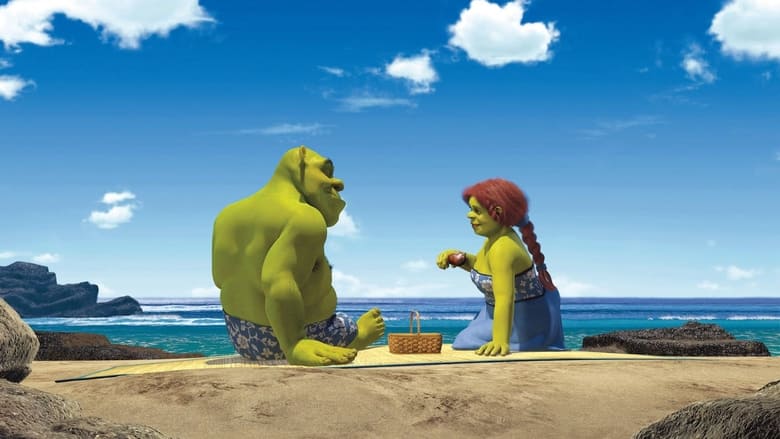
This exploration of identity culminates in what is perhaps the single greatest convergence of music, action, and character development in 21st-century animation: the "Holding Out for a Hero" sequence. It is easy to dismiss this as a pop-culture needle drop, but that would be a mistake. The scene is an operatic crescendo where the film’s stakes—Fiona’s autonomy, Shrek’s sacrifice, and the Fairy Godmother’s manipulative perfectionism—collide. As the Fairy Godmother (Jennifer Saunders) belts out a demand for a "white knight," Shrek assaults the castle not to conquer, but to liberate. The animation during this sequence matches the frenetic desperation of the characters; it is a siege on the very concept of the traditional fairy tale ending.
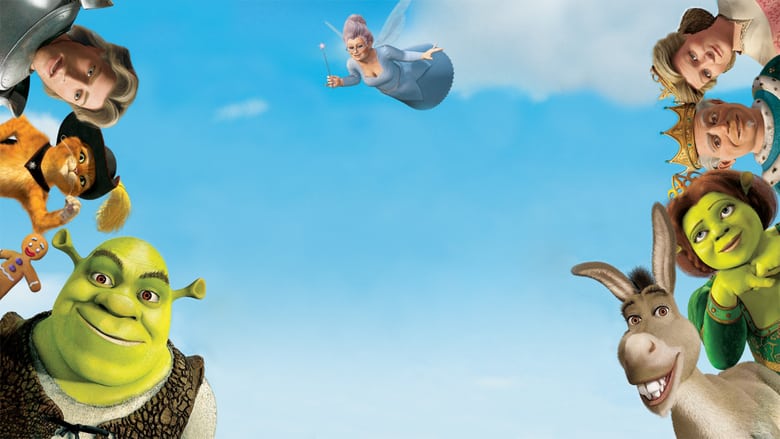
Ultimately, *Shrek 2* endures because it rejects the binary logic of beauty and beastliness. By revealing that the King himself was a frog who compromised his identity for status, the film exposes the fragility of the ruling class. The villains are not monsters, but the beautiful people who demand conformity. The film’s resolution, where the handsome human avatars are discarded in favor of the original ogre forms, is a radical reclamation of self. It suggests that true romance isn't about fitting into the glass slipper, but about finding someone who is comfortable walking barefoot in the mud with you.