✦ AI-generated review
The Fire and the Funeral
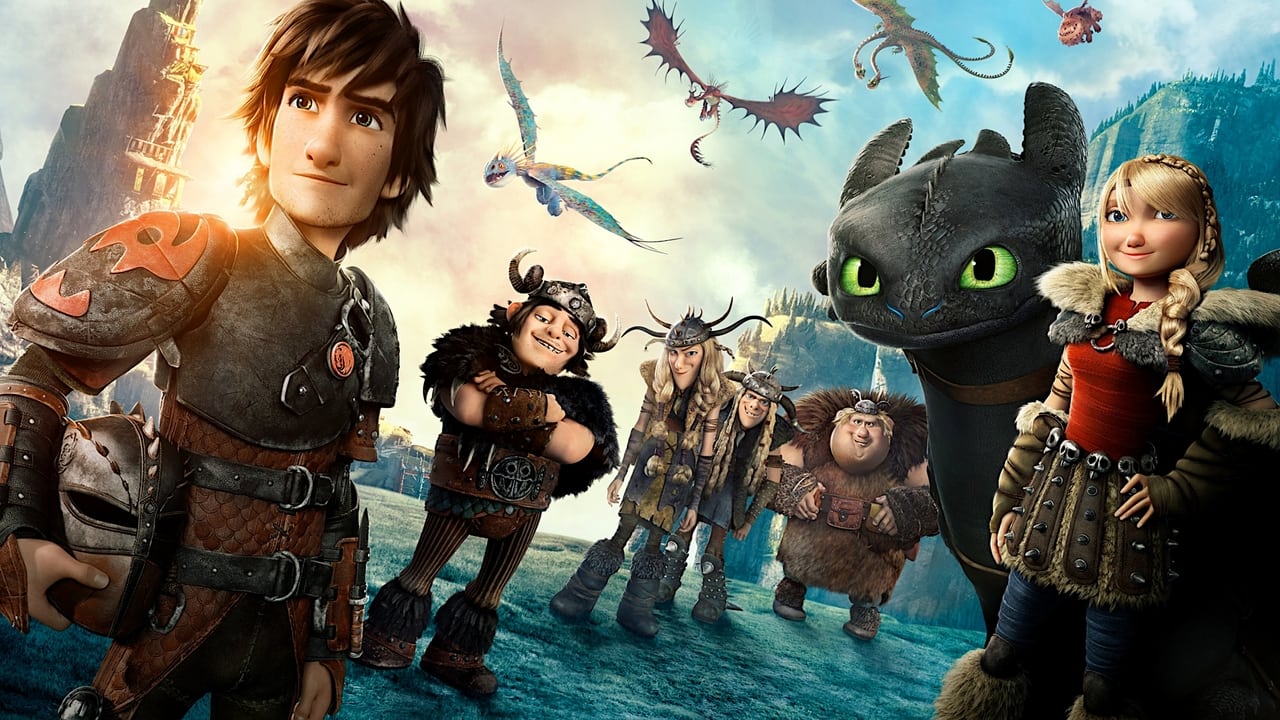
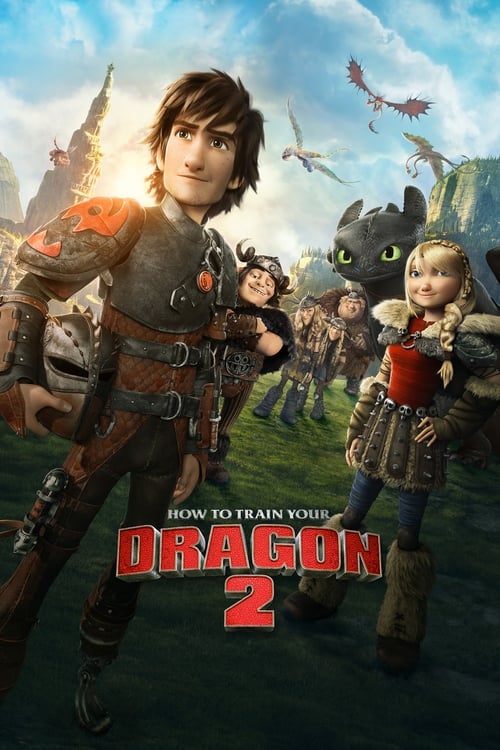
It is a rare thing for an animated sequel to aspire to the operatic weight of Greek tragedy, yet *How to Train Your Dragon 2* does exactly that. Released in 2014, Dean DeBlois’s film rejects the safety of the victory lap, choosing instead to dismantle the utopia established in its predecessor. Where the first film was a boy-and-his-dog story about overcoming prejudice, this middle chapter is a darker, more bruising meditation on the burdens of leadership and the inevitability of loss. It is not merely a continuation; it is a forced maturation.
From the opening sequence, DeBlois creates a visual language of limitless expansion. Aided by the legendary cinematographer Roger Deakins (serving as a visual consultant), the film’s aesthetic moves beyond the bright, poppy textures of standard animation into something more cinematic and tactile. The flight sequences are kinetic and breathless, utilizing wide lenses that shrink the protagonist, Hiccup, against a sprawling Nordic sky. This vastness is not just spectacle; it is thematic. Hiccup is a cartographer of the unknown, fleeing the claustrophobic responsibilities of chieftainship back on the island of Berk. The camera loves the open air because Hiccup loves it—it is his escape from a destiny he feels unworthy to inherit.
However, the film’s true courage lies in how it handles the suffocation of that destiny. The narrative introduces a stark, geopolitical conflict that cannot be solved with the first film’s thesis of "understanding the misunderstood." The antagonist, Drago Bludvist, is not a creature acting on instinct, but a demagogue ruled by malice. This shift forces the film into a complex moral gray zone: pacifism has a limit, and innocence has an expiration date.
The emotional core of the film is located in two juxtapositioned scenes that serve as the narrative’s heartbeat. The first is the miraculous reunion between Hiccup’s father, the stoic chieftain Stoick, and his long-lost mother, Valka. In the folk-song sequence "For the Dancing and the Dreaming," we witness a tender, awkward renewal of vows that feels startlingly intimate for a "family film." It grounds these mythic archetypes in human vulnerability.
This moment of joy is designed specifically to maximize the pain of what follows. The film’s decision to have the beloved dragon Toothless—under the hypnotic control of the villain’s alpha—become the instrument of Stoick’s death is a stroke of narrative cruelty that echoes the darkest turns of *The Empire Strikes Back*. By robbing Hiccup of his father at the exact moment the family was made whole, DeBlois refuses to let his hero inherit the crown cleanly. The mantle of leadership is passed not in a ceremony, but in a funeral.
Ultimately, *How to Train Your Dragon 2* succeeds because it trusts its audience to endure grief. It does not hit the reset button to restore the status quo. The scars, both physical and emotional, remain. This is a film that understands that the transition from adolescence to adulthood is not just about gaining strength, but about learning how to survive the silence left by those who are gone. In the pantheon of modern fantasy, it stands as a soaring, somber testament to the price of peace.