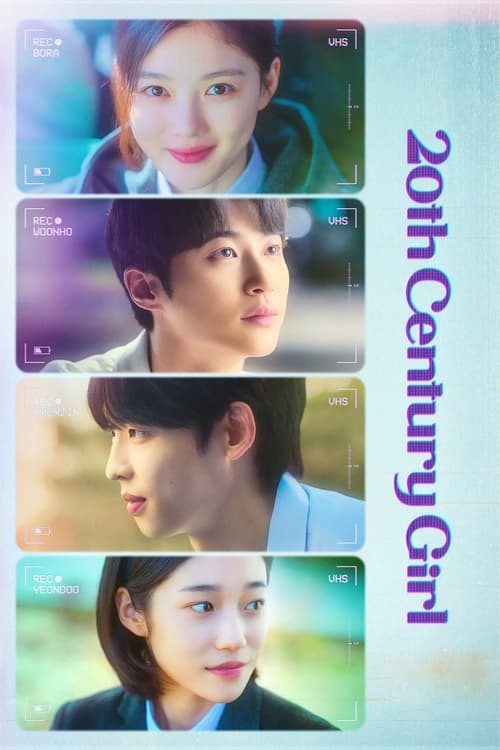
The Architecture of NostalgiaNostalgia in modern cinema is often a trap, a shallow exercise in aesthetic replication designed to trigger dopamine hits of recognition. However, in the hands of director Bang Woo-ri, nostalgia becomes something far more fragile and urgent: an act of preservation. *20th Century Girl* (2022) initially presents itself as a confection—a brightly lit, sugary chronicle of high school crushes in 1999. Yet, beneath its pop songs and pager codes lies a profound meditation on the impermanence of youth and the peculiar way our first loves haunt the architecture of our adult lives.
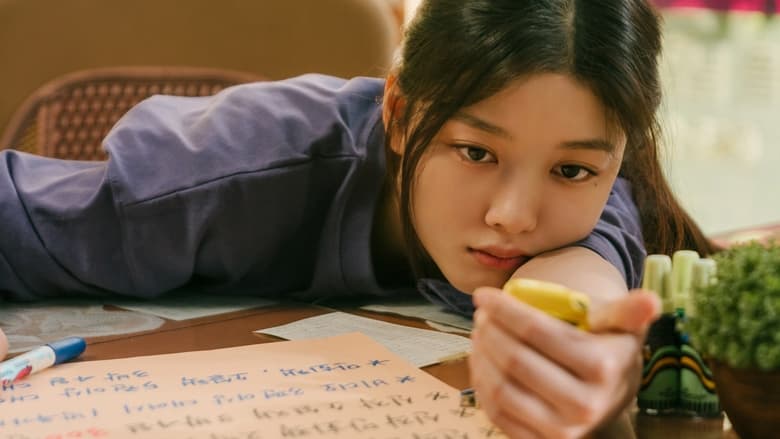
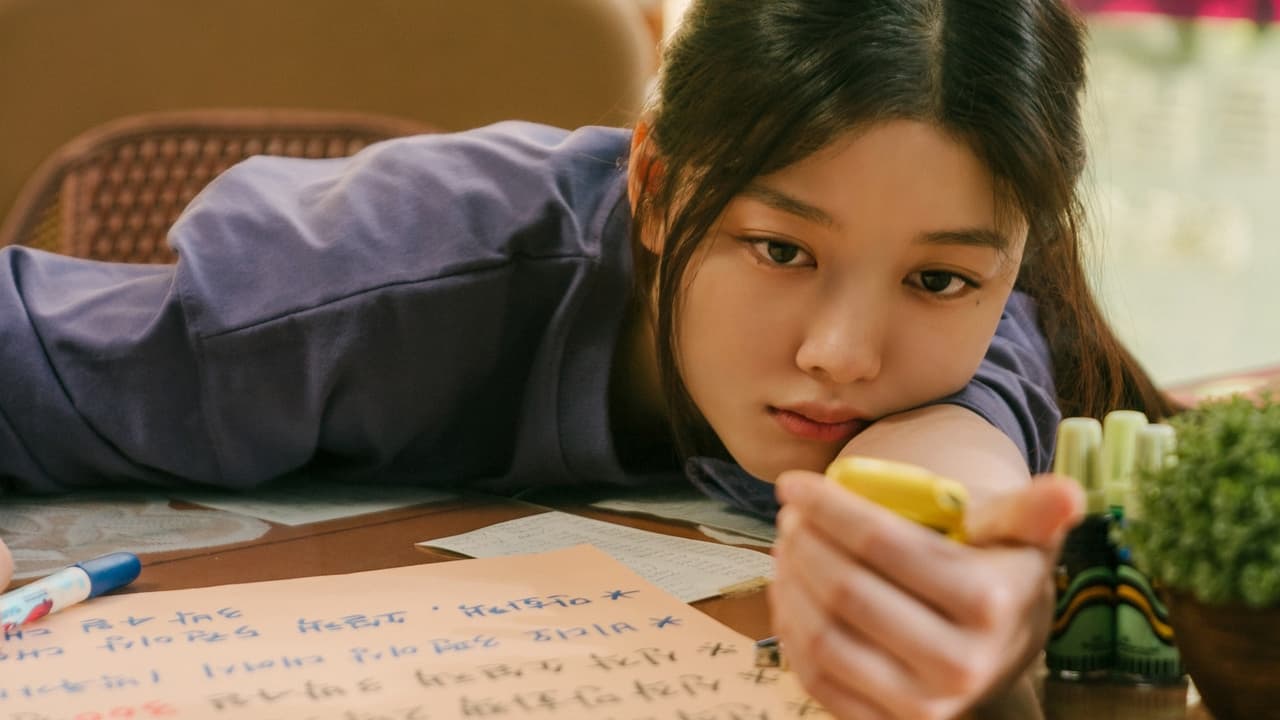
Bang’s visual language is deliberately hyper-real. The film is saturated in the golden, honeyed hues of late-afternoon sunlight, mimicking not how the 1990s actually looked, but how they *feel* when remembered two decades later. The cinematography operates through the literal and metaphorical lens of the protagonist, Na Bo-ra (Kim Yoo-jung). Armed with a camcorder, she is tasked with observing a boy for her best friend, Yeon-du, who is away for heart surgery. This act of voyeurism—watching a life rather than living it—becomes the film’s central visual motif. The camera shakes, zooms, and loses focus, reminding us that memory is an unreliable narrator, curated by our emotions rather than facts.
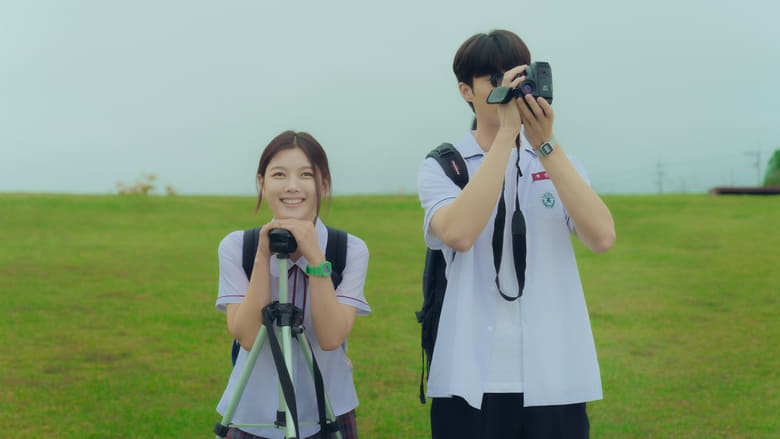
At the narrative's center is a performance of kinetic earnestness by Kim Yoo-jung. She transcends the typical "clumsy heroine" archetype found in the genre. Her Bo-ra is fierce, loyal to a fault, and delightfully physical. The film smartly posits that the most enduring love story here is not romantic, but platonic; it is Bo-ra’s devotion to Yeon-du that sets the tragedy in motion. When the romance does blossom with Woon-ho (Byeon Woo-seok), it feels earned precisely because it happens in the margins of Bo-ra’s duty. Their connection is quiet and tactile—brushing hands, shared earbuds—creating an intimacy that feels suffocatingly precious because we, the audience, sensed the ticking clock of the coming millennium.

The film’s controversial final act serves as a jarring rupture, deliberately breaking the promise of the genre. By shifting from the exuberance of 1999 to the cold, sterile reality of the present day, Bang Woo-ri forces the audience to confront the ghost in the machine. The film suggests that some people are destined to remain anchored in the 20th century, frozen in their youth, while the rest of us are forced to weather the erosion of time. The revelation at the end is not merely a plot twist; it is an emotional guillotine that recontextualizes every sun-drenched scene that came before it.
Ultimately, *20th Century Girl* is a eulogy for the analog age. It argues that before the digital permanency of the 21st century, love was something you could lose in the mail, something that could vanish into silence. It is a heartbreaking reminder that while we may move forward, parts of us—the best, most innocent parts—often stay behind, waiting for a reply that will never come.