✦ AI-generated review
The Sting of Moral Clarity
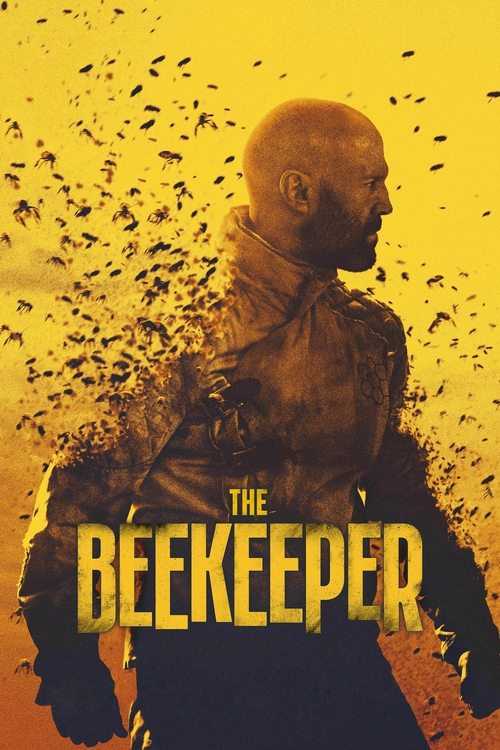
In the modern cinematic landscape, the "January release" is often dismissed as a dumping ground for studio tax write-offs and listless thrillers. Yet, occasionally, a film emerges from this winter thaw that, while wearing the guise of a B-movie, taps into a vein of societal frustration so deep it becomes almost operatic. *The Beekeeper* (2024), directed by David Ayer, is one such artifact. It is a film that rejects nuance in favor of a blunt, sledgehammer morality, offering a catharsis that is as unsophisticated as it is deeply satisfying.
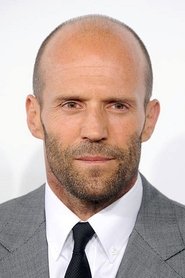
To view *The Beekeeper* merely as another vehicle for Jason Statham’s reliable grimacing is to miss the peculiar frequency on which David Ayer is broadcasting. Ayer, a director whose filmography (*Fury*, *End of Watch*) often wallows in the gritty, nihilistic mud of the American street, here pivots toward a kind of neon-soaked fable. The narrative setup is almost aggressively simple: Adam Clay (Statham), a retired operative of a clandestine organization, seeks retribution after his elderly neighbor, Eloise (the warm, grounding presence of Phylicia Rashad), is driven to suicide by a digital phishing scam.
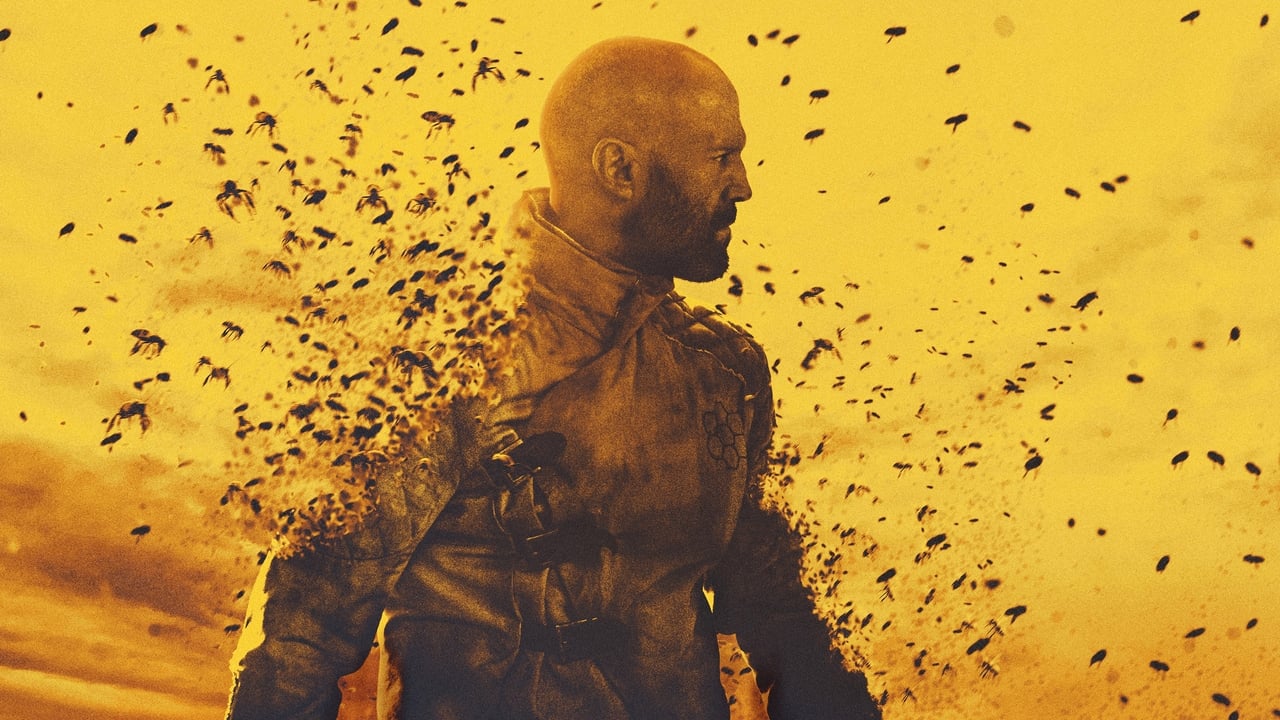
This inciting incident is crucial. In an era where the villainy of late-stage capitalism is often abstract—hidden behind algorithms, shell companies, and terms of service—Ayer gives us a tangible, burnable target. The early scene where Clay infiltrates the call center is not just an action set piece; it is a fantasy of analog vengeance against a digital intangible. When Clay methodically douses the server room in gasoline, he isn't just destroying property; he is incinerating the very concept of the "glitch" that ruins lives without consequence. The imagery of the call center—bathed in garish, artificial light—contrasted with the golden, natural hues of Clay’s honey jars, establishes a visual dichotomy between the organic moral order and the synthetic corruption of the modern world.
Ayer’s visual language here is less about the shaky-cam realism of his past and more about myth-making. The script, written by Kurt Wimmer, is laden with bee-related metaphors that teeter on the edge of the ridiculous. "Protecting the hive" becomes a mantra that elevates Clay from a man to a force of nature, a biological imperative in human form. It is absurd, certainly, but it is the kind of absurdity that ancient myths are made of. Clay is not a character with an arc; he is the Minotaur in the maze, the inevitable consequence of a system that has allowed the strong to feast on the weak.
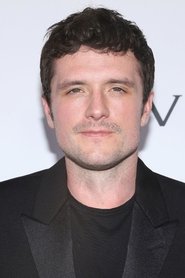
Opposing this force is Josh Hutcherson, cast brilliantly against type as Derek Danforth, a manic, vaping tech-bro princeling. Hutcherson embodies the banality of modern evil—a villain who destroys lives not with a gun, but with a mouse click, all while sipping a latte in a glass-walled office. His performance is a jittery, insecure foil to Statham’s granite stoicism. If Statham is the Old Testament wrath, Hutcherson is the Golden Calf of the digital age—shiny, hollow, and demanding of worship.
The film does not pretend to be high art, yet it succeeds where many prestigious dramas fail: it understands the audience’s hunger for accountability. We live in a time where justice often feels bureaucratic and slow, if it arrives at all. *The Beekeeper* offers a world where justice is swift, physical, and absolute. It is a fairy tale for the disenfranchised, positing that if you push the gentle keeper of the bees too far, you will not get a lawsuit; you will get the sting.
Ultimately, *The Beekeeper* is a triumph of function over form. It does not deconstruct the action genre; it boils it down to its most primal essence. It asks us to suspend our disbelief not just regarding physics, but regarding the possibility that one man can correct the systemic rot of a nation. In the darkness of the theater, for a brisk 105 minutes, Ayer allows us to believe that the hive can, in fact, be saved.