The Ink of InsanityA Writer's Odyssey 2If cinema is a dream that we dream together, then Lu Yang is currently one of the few directors lucid enough to control the nightmare. In an era where the "multiverse" has become a tired industrial standard—a convenient narrative cheat code for corporate franchise building—Lu’s *A Writer’s Odyssey 2* returns to remind us that the most dangerous worlds are not the ones we visit, but the ones we create. Released four years after his initial genre-bending experiment, this sequel is not merely an expansion of lore; it is a desperate, hyper-saturated plea for the sanctity of the human imagination.
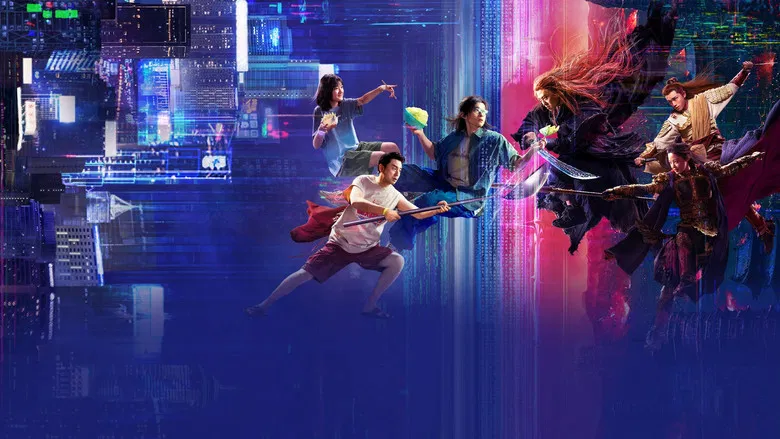
The film picks up in a reality that feels suffocatingly modern. The author Lu Kongwen (Dong Zijian), once the architect of gods, has been reduced to a pariah, stripped of his creation by the digital banditry of an influencer named Cicada. It is here that Lu Yang makes his most incisive cultural critique. The villain is not a warlord, but the algorithm—the theft of art for engagement metrics. By grounding the opening in this grit, the film earns its subsequent explosion into fantasy. When the narrative bleeds back into the novel’s world, it isn’t an escape; it’s a reclamation.
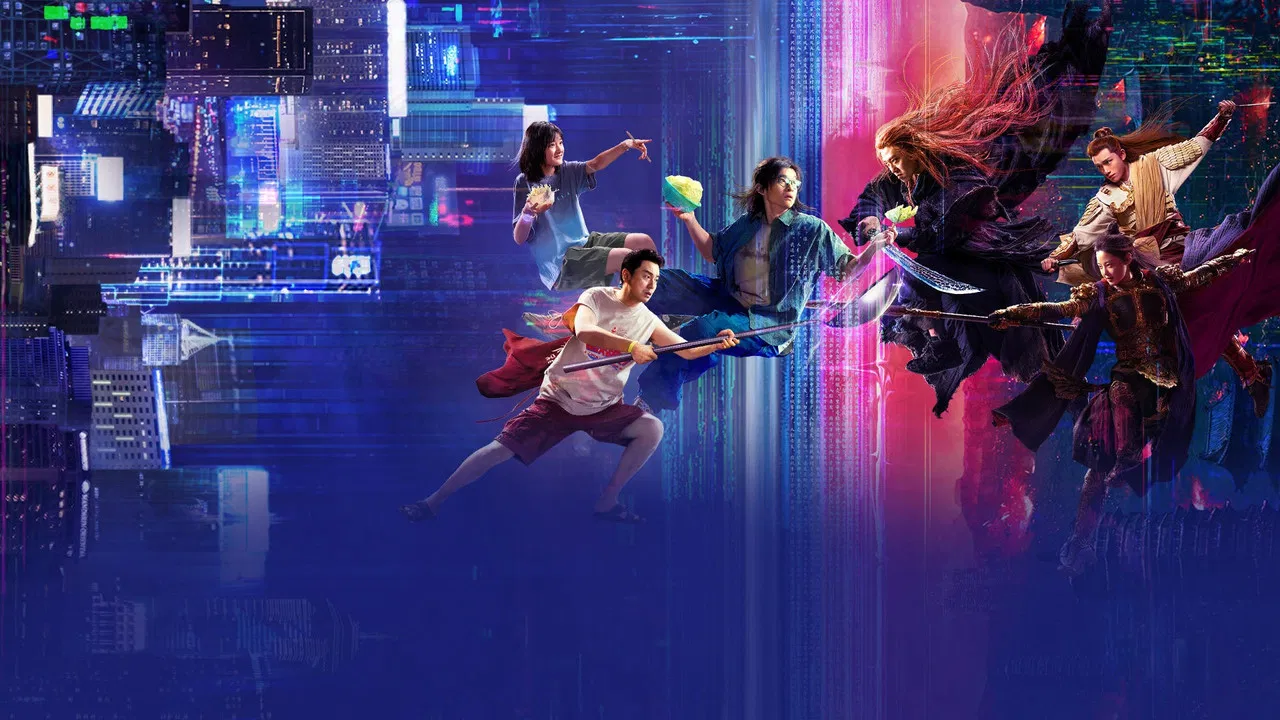
Visually, Lu has abandoned the "Hollywood-lite" sheen that plagues so much domestic fantasy. Instead, he doubles down on a fierce, ink-wash brutalism. The digital landscapes of the novel's world don’t look like video game assets; they look like hallucinations painted in blood and soot. The introduction of the "Sky City" and the climactic battles are not just spectacles of CGI, but extensions of the protagonist's crumbling psyche. The screen is often overwhelmed with texture—smoke, flying debris, and the grotesque beauty of the Red-Haired Demon—creating a sensory experience that feels less like watching a movie and more like drowning in a story.
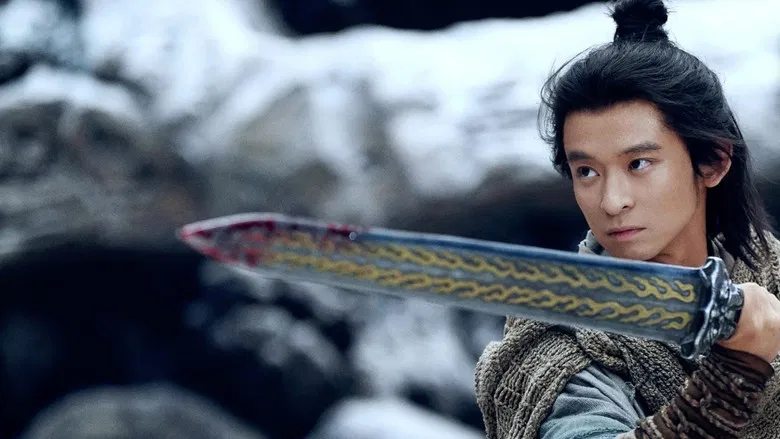
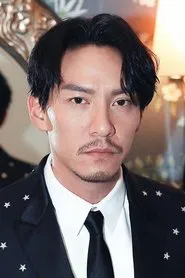
At its heart, however, *A Writer’s Odyssey 2* is a tragedy about the burden of belief. Dong Zijian delivers a performance of twitchy, exhausted desperation, anchoring the madness with a very human sorrow. He is juxtaposed against Chang Chen’s Jiu Tian, a character who brings a gravitas that elevates the film from a mere creature feature to a meditation on moral continuity. The relationship between the creator and his creation is no longer just a plot mechanic; it is a dialogue about agency. When Kongwen chooses to fight—not with superpowers, but with the "mortal courage" to write his own ending—the film achieves a rare emotional resonance. It posits that in a world of predetermined fates (and studio mandates), the act of writing is the ultimate rebellion.

Does the film stumble? Certainly. The pacing in the third act threatens to buckle under the weight of its own metaphysical logic, and the transition between the grimy real world and the operatic fantasy can sometimes feel jarring rather than seamless. Yet, these fractures are part of the charm. This is not a polished, committee-designed product; it is a jagged, ambitious piece of art that wears its director’s anxieties on its sleeve. Lu Yang has crafted a sequel that demands we look at the blank page not with fear, but with the terrifying understanding that what we write there might just save us.